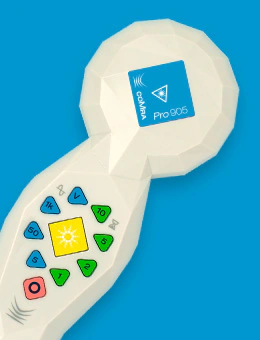
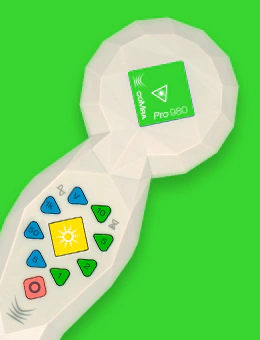
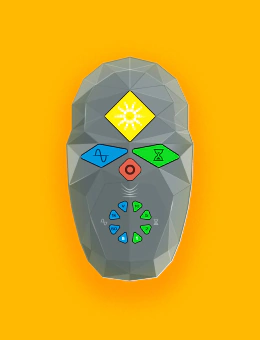
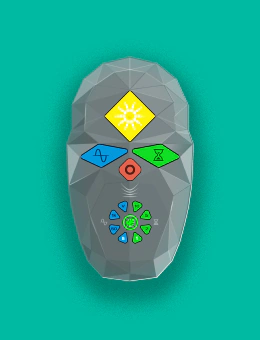
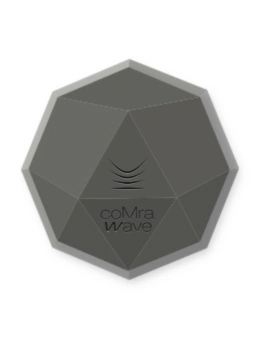
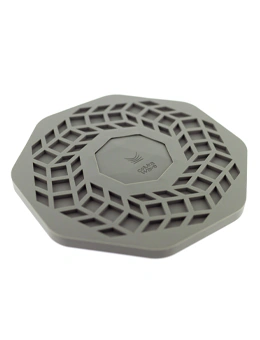
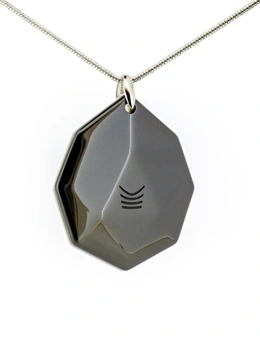
Both. For local pain the guidance is to treat the most painful area directly plus four to five surrounding points – Traumatology 14, for instance, treats the zone of injury and four points around it 5 cm apart. For pain that radiates, the nerve source is treated as well: Traumatology 2 scans the paravertebral zone feeding the affected muscle, and Neurology 2 starts at the lumbosacral nerve roots before following the sciatic nerve down the leg. The device always goes directly on the skin – clothing, bandages and plaster casts distort the radiances and must be removed first.
Where the tissue has genuinely repaired, the relief holds – it reflects a restored energy state rather than a suppressed signal, so it lasts as long as that state lasts. Published cases show both endings: a 69-year-old man with a C5–C6 disc herniation was completely pain-free and completely off painkillers after seven treatments, with full recovery confirmed at follow-up; a chronic migraine case had three attack-free months and then attacks that stayed milder and less frequent for at least two years. In degenerative conditions the protocols are written to be repeated for exactly this reason – Traumatology 10 in 15-day courses with three weeks' rest, Traumatology 17 revisited every three months or as needed – because keeping functional reserve above the load is what holds the ground gained.
Pain moves first: energy metabolism normalises within minutes and relief is commonly noticed within the first one to five sessions. What follows runs in a fixed order and on a slower clock – tissue function over days, neuro-immuno-endocrine regulation over weeks, structural regeneration over weeks to months. In practice, light chronic pain tends to settle over about two weeks of treatment with deeper healing across two to eight weeks; nerve pain runs to months, and long-standing nerve damage can mean one to three years of regular use. Fast pain relief and completed structural repair run on two different timelines.
Yes, and the difference is worth understanding before starting. In acute pain the cell ultrastructure is undamaged and the deficit is temporary, so energy is restored quickly and the relief is durable. Where pain is chronic and the tissue is significantly damaged – advanced degenerative change, severe nerve damage – the first session's relief can last only a few hours before the pain returns, because the cells cannot yet sustain their own energy metabolism once the radiance stops. That return is not treatment failure and not an analgesic wearing off: it demonstrates those cells can be lifted, and each further session lengthens the window until enough structure is repaired for metabolism to become self-sufficient.
Painkillers block the pain signal; coMra removes the reason the signal is being sent. Pain is the body's integrated warning of an intracellular energy deficit: ATP drops, energy-dependent ion pumps and channels lose function, the ion balance around the nerve shifts, and the neuron fires more action potentials. coMra restores the cell's energy supply, the pumps resume, the neuron normalises its excitability and pain diminishes because the alarm condition has been resolved – not because the alarm wire was cut. That is why relief from coMra tracks the actual energetic state of the tissue rather than the half-life of a drug.
Yes, and acute injuries are among the fastest-responding uses – in intact tissue the energy deficit is temporary, so it lifts quickly and the relief holds. Bruises, sprained muscles and tendons fall under Surgery 1: the device directly on the skin over the affected area, 2 minutes at 5 Hz then 2 minutes at 50 Hz, three times daily until improvement is evident, with Universal 3 (Blood) once a day; sprained ankles have their own protocol (Traumatology 11) and knee injuries another (Traumatology 14). Note that the Body & Mind Performance guide covers training and recovery for healthy bodies; for an actual injury, use the protocols in the main coMra user guide.
Yes – sciatica and radiculopathy are treated with Neurology 2, which scans both sides of the lumbosacral spine at 1000 Hz to reach the nerve roots, then follows the nerve's path down the affected side (piriformis, sub-buttock, back of the femur, popliteal fossa) at 5 Hz, twice daily for 15 days. Two published accounts show quick responses: a 63-year-old man whose lower-back and hip pain, leg numbness and night pain had resisted physiotherapy and medication was pain-free after the fourth of 15 treatments; and a 55-year-old patient of an integrative physician, four weeks into 9/10 stabbing sciatic pain and unable to walk without a cane, was symptom-free after four sessions alongside supportive measures. Treating the nerve root as well as the leg is the design of the protocol – the pain is felt along the nerve, but the deficit sits where the nerve is compressed.
Headaches and migraines are covered by Universal 1 (HEAD) – temples, frontal, suboccipital and carotid sinus points, one minute each at 50 Hz, twice daily until improvement and then for a further seven days. In a published case, a woman with some 20 years of chronic migraine (2–3 attacks a month, progressing through aspirin to triptan injections) applied Universal 1 once or twice daily for four weeks; she had no attacks at all for the following three months, and when attacks did return they were less frequent and less severe, holding at that reduced level for at least two years. Migraine bound up with the neck and blood pressure (cervical migraine) is listed under Cardiology 3 instead. Keep the eyelids closed when treating around the head, and rest 5–10 minutes after any session that includes head points.
Yes – the small joints of the fingers have a dedicated protocol, Traumatology 8, which scans one side of the joints, the palm side and the back of the hand at 5 Hz, 50 Hz then 1000 Hz, once daily for 15 days, followed by three weeks' rest before the course repeats. Remove all rings and jewellery before treating hands: metal reflects and distorts the radiances. Where the joint inflammation is rheumatoid, juvenile or psoriatic, the joints are treated in conjunction with Immunology 1 rather than locally on their own.
Knee arthritis has its own protocol, Traumatology 10: the lateral projections of the joint, the zones above and below the patella, and the popliteal fossae, each treated at 5 Hz, 50 Hz then Variable frequency, once daily for 15 days, with Universal 3 (Blood) applied alongside for osteoarthritis. Published knee cases follow a consistent shape – pain easing somewhere between the first and fourth session, then swelling and range of motion improving across the 15-session course; a 12-participant case series run with Traumatology 10 plus Universal 3 over three months reported improvements in pain, daily functioning and quality of life. These are cases and case series, not controlled trials, and the same series notes that exercise, nutrition and emotional support matter alongside the device in chronic joint conditions.