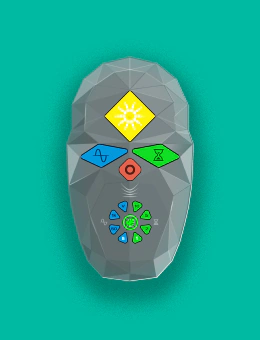
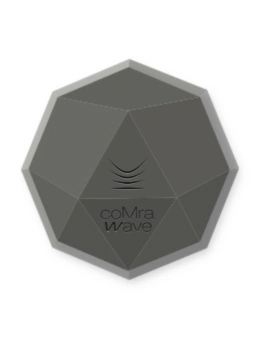
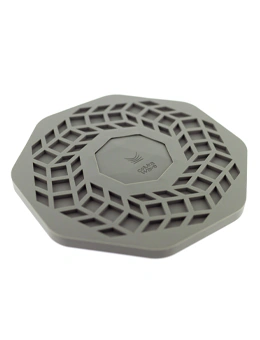
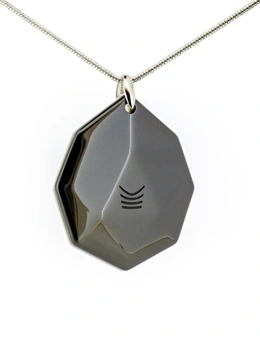
Restoring optic nerve function is one of the most remarkable results coMra has shown. Neurology 14 is the protocol for disorders of the eyes and optic nerve – 2× daily until significant improvement, then two weeks' rest and a further 14 days – with the eyelids closed throughout, because 905/980 nm infrared light is invisible and must never reach an open eye. A documented case of ischemic optic neuropathy used 18 sessions over 10 weeks and produced reduced blind spots, wider colour fields, clearer near and far vision with better contrast, and improved peripheral vision, with the gains still increasing a month later. Recovery is a series of incremental changes rather than a sudden restoration, and how far it goes depends on how much nerve remains alive.
Yes – nerve pain following chemotherapy is one of the nerve-damage situations coMra is used for. Cancer drugs are a recognised cause of toxic neuropathy, and the approach is the same as for any peripheral neuropathy: scan the affected hands or feet, treat the nerve roots and the blood supply (Neurology 15), and add Universal 3 to support circulation and the immune system. coMra is compatible with oncological treatment and does not interfere with medication.
Yes. If symptoms have persisted for years, the nerves are still alive – the body's self-repair simply never had the resources to finish the job. The practical approach for a long-standing case is a genuine trial: regular sessions, at least 1–2 per week for 3–6 months, noting any change at all. Any improvement tells you the nerve has recovery potential and is worth continuing with courses of daily treatment; long-standing damage improves incrementally, and progress feels slow precisely because it is structural repair rather than symptom suppression.
That is the expected pattern where nerve damage is significant, and it is not a failure. The relief demonstrated that those cells can reach a normal energy state; the pain returns because the cell ultrastructure is still too damaged to hold that state once the session ends. With each course the windows lengthen, because more repaired structure is available to sustain the energy balance on its own. This is the opposite of an analgesic wearing off – nothing was blocked, so nothing wore off.
Pain often eases within the first sessions, but rebuilding nerve structure is measured in months. Recent nerve damage can resolve in weeks – a documented post-traumatic neuropathy of the ulnar and radial nerves cleared pain and numbness by day 6 of a 10-day course, with follow-up courses completing the recovery. Long-standing neuropathy typically needs a few weeks to several months of daily treatment before initial improvement, then repeat courses; where damage to the nervous system is severe, treatment continues for a year or more until the tissue's energy metabolism becomes self-sufficient. Nerve tissue regenerates slowly, so consistency matters more than intensity.
Numbness, tingling and burning in the feet or hands are treated by scanning the affected area directly and treating the nerve roots that serve it. Neurology 15 does exactly this: for legs, scan both sides of the vertebral column at the lumbosacral level for 2 minutes per side, then scan the affected leg including the top and bottom of the foot for 15 minutes per leg; for hands, scan the base of the neck for 2 minutes per side, then 10 minutes per hand – all at 1000 Hz, once daily for 15 days, then two weeks' rest. The same protocol applies whatever the cause: diabetes, impaired blood supply, injury, alcohol toxicity, infection, nutritional deficiency, or no identified cause at all. Expect pain to settle before sensation returns – the healing sequence runs energy first, then function, then structure.
Yes – diabetic neuropathy has its own protocol and its own three-part approach. Years of high blood sugar damage the small vessels that feed the nerves, so treatment addresses the nerves and their cause together: Neurology 15 for the affected feet, hands and nerve roots, Universal 3 for circulation, and Endocrinology 1 over the pancreas and supporting organs for the diabetes itself. These can be combined in a single session, so symptom relief and work on the underlying metabolic condition happen in parallel.
Because with nerve damage, the place where you feel the symptom is rarely the whole story. The coMra approach to nerve pain has three steps: treat the area where you feel pain, tingling or numbness; treat the nerve pathway back to its roots beside the spine, along with the blood supply feeding it; and treat whatever caused the damage – the pancreas in diabetes, the affected organs after surgery or infection. Painkillers act on the signal alone, but pain is the tissue's warning of an intracellular energy deficit, so resolving the deficit is what ends it.
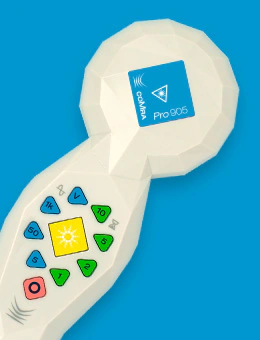
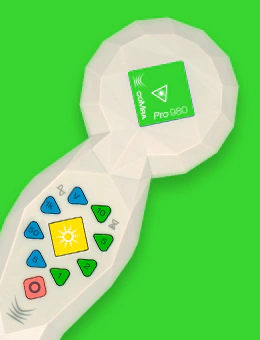
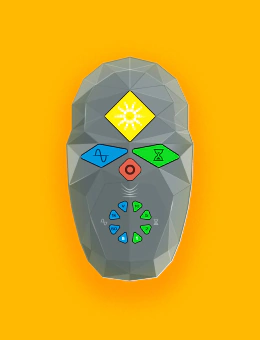
coMra delivers four radiances at once – a near-infrared laser (905 nm or 980 nm), a magnetic field, 40 kHz ultrasound, and a sequence of coloured LEDs. Laser and magnetic field together open an additional ATP synthesis channel, cited at a 200–300% gain in ATP synthesis efficiency; the ultrasound improves molecular transport, and the colour sequence carries the regenerative message. For a nerve this means two things at once: the cells have the energy to rebuild their structure, and microcirculation improves so oxygen and nutrients actually reach the damaged fibres. coMra does not stimulate or override the nerve – it creates the conditions in which the nerve repairs itself.
Nerve tissue that is damaged but still alive can recover – what it lacks is enough cellular energy and blood supply to finish a repair it has already begun. coMra restores that functional reserve, so the nerve can rebuild its own structure; persisting symptoms are themselves a sign the nerve is still there and still trying. What cannot be brought back is a nerve branch that was physically destroyed or removed, or tissue that has died and scarred over – coMra cannot recreate a missing nerve. Because nerve tissue rebuilds slowly, recovery arrives as a series of incremental changes rather than a switch being flipped.