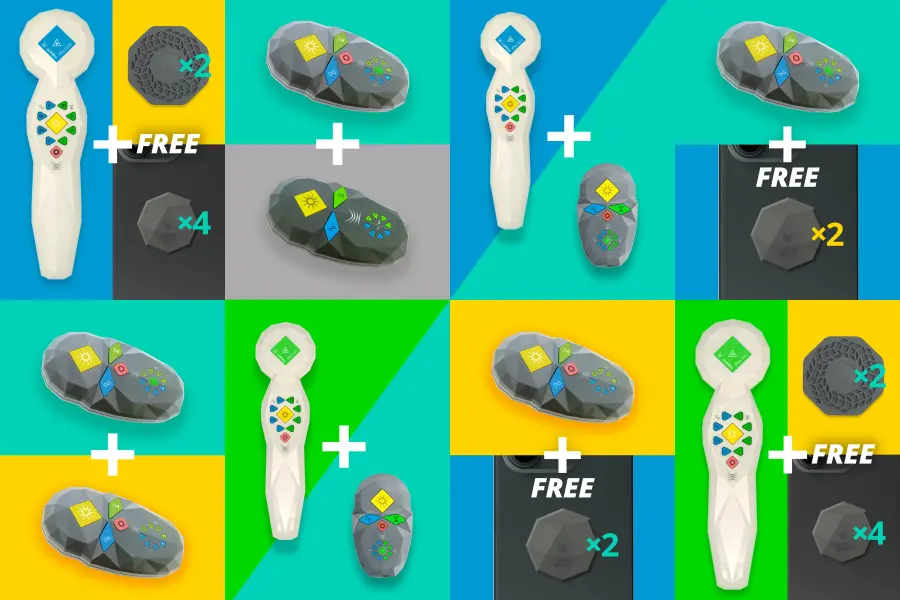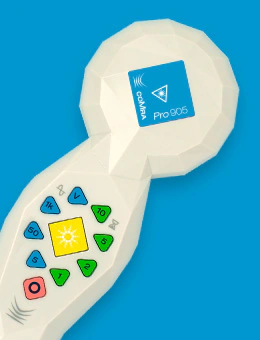
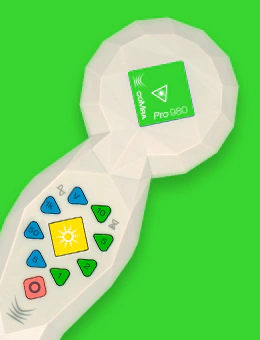
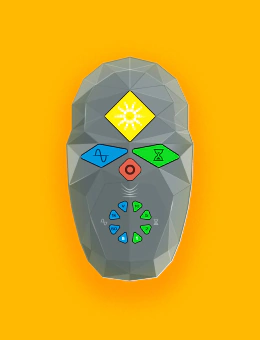
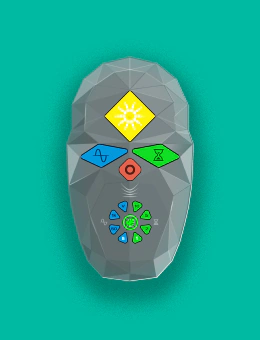
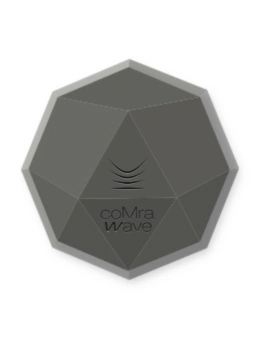
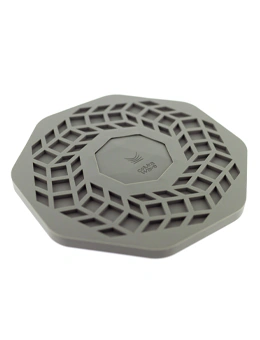
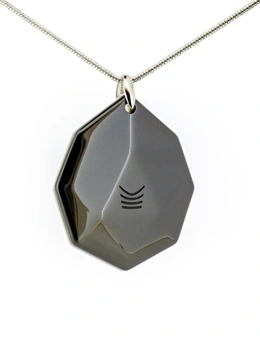
Yes – there is no separate animal device; the veterinary guides use the same coMra devices as the human protocols, and the frequencies serve the same purposes as in the human protocols. Only the treatment points and durations change with species and size. For hygiene, cover the treatment head with cling wrap when treating wounds, infections or dusty coats.
Yes – a dedicated Cow & Horse user guide adapts every protocol to large-animal anatomy and adds equine-specific ones: hoof protocols for laminitis, frog rot, pododermatitis and shoeing injuries, plus colic and pastern injuries. The veterinary guide's vitality routine (Universal 4) covers training for competition, recuperation and muscle tone, alongside protocols for wounds, joints, tendons and muscle sprains. Horses' dusty coats call for one adaptation – wrap the treatment head in cling film; the fur itself stays on, as it conducts the radiances.
The treatment points, frequencies and course structure are the same – only the time per point differs, with cats receiving shorter durations because of their smaller bodies (typically half a minute per point where a dog gets one minute). Small dogs such as pugs and chihuahuas follow the cat timings, as do rabbits and hares. Both species are covered in a single Cat & Dog veterinary user guide.
Yes – cuts, abrasions, bruises, insect bites, minor burns, open wounds and post-surgery sutures are all covered by the Surgery 1 protocol: the affected area is scanned twice daily until it improves, alongside the Universal 3 routine, which supports overall healing through the blood supply. Fur around the wound stays on – it conducts the radiances – and the treatment head is covered with cling wrap over broken skin for hygiene. Bone fractures have their own protocol, applied twice daily until full recovery through an opening cut in the cast directly over the fracture.
Sessions are short and scale with body size: a head protocol for a cat or dog takes about 4.5–6 minutes, a single joint about 5 minutes, and the full vitality routine 17–19 minutes (34 minutes for a horse or cow). The device simply rests on the coat point by point, and most courses run once daily, every second day, with a one-month rest between courses. If an animal becomes restless – usually near the ears, where it can sense the ultrasound – switch the ultrasound off for those points and reintroduce it once the animal is accustomed.
Yes – the veterinary guide includes dedicated protocols for hip arthritis, hip dysplasia and osteoarthritis of the elbow, knee, carpal and hock joints. coMra does not mask the pain; it restores the energy supply the joint tissues need to repair themselves. A hip course runs 14 days of short daily sessions, repeated after rest breaks until full relief, and ageing dogs can also be supported with the veterinary guide's vitality routine (Universal 4), which covers muscle tone, recuperation and ageing.
No – fur and feathers conduct the radiances, so nothing needs to be shaved or plucked; the device is placed directly on the coat. Animals are more responsive to coMra than humans, and even partial penetration through dense fur produces good results. For dusty coats (typical with horses) and for wounds or infected areas, cover the treatment head with cling wrap for hygiene.
coMra has dedicated veterinary user guides for cats, dogs, cows and horses. The cat protocols also cover rabbits, hares and small dog breeds such as pugs and chihuahuas, and the general notes extend to birds and other farm animals – fur and feathers conduct the radiances rather than block them. The same devices used for people are used for animals; only the treatment points and durations are adapted to each species' anatomy.
Yes. Each of the four radiances works at low intensity within a broad safe window, so coMra has no overdose risk and no absolute contraindications – for animals just as for people. The veterinary guides add a few firm rules: keep the animal's eyelids closed when treating near the eyes, use only the 5 Hz frequency over the heart area, and remove bandages or plaster casts before treating, because they distort the radiances.