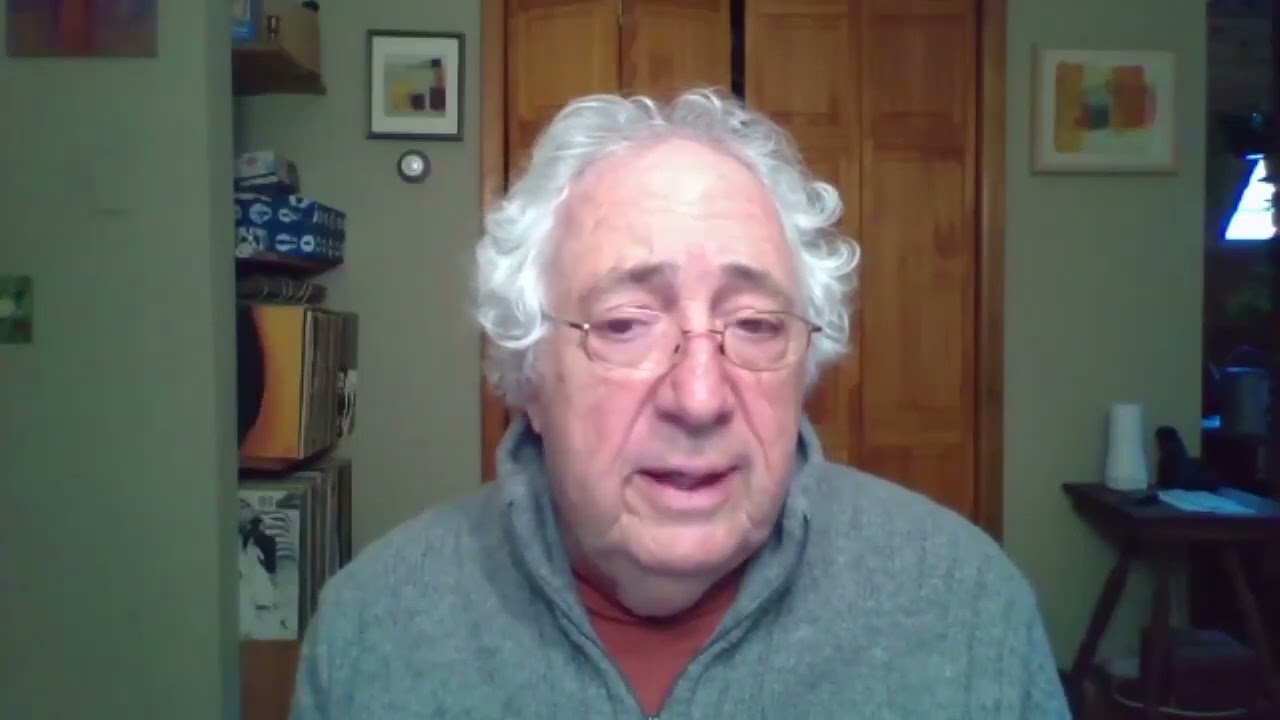
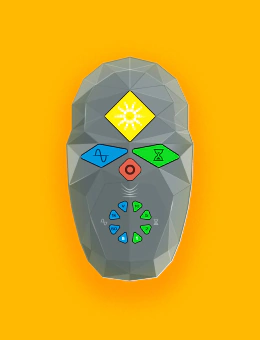
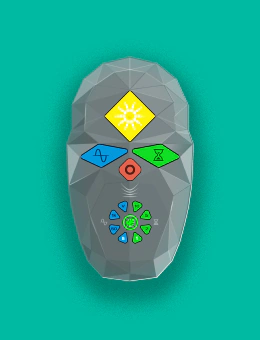
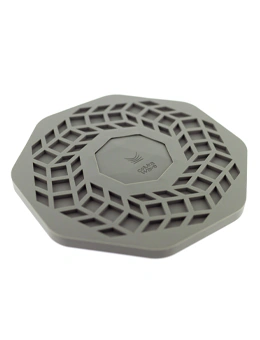
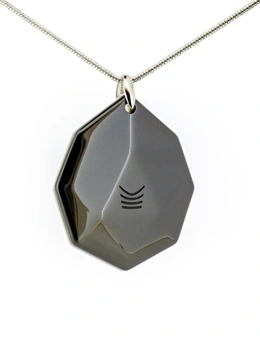
Yes – the Universal Treatments are the family default, because they offer a sense of well-being to anyone, whether or not they are dealing with a particular ailment. A typical routine: Universal 3 or Universal 6 as the shared course a few times a year, Universal 5 in the evening for whoever is under strain or sleeping badly, and the specific protocol from the User Guide when something acute comes up. Children use the adult protocols with the exposure time shortened – halved for infants under three, who respond faster than adults – and for children coMra is especially valuable as prevention.
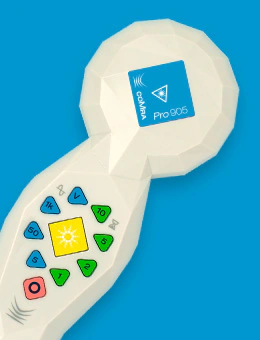
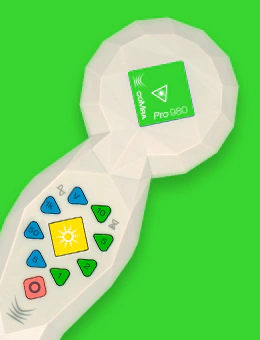
Universal 6 (Vitality) is the recuperation protocol – its indications include recovery from illness and from surgery, general weakness and chronic fatigue. It runs as a 12-day cycle: Part 1 daily and Part 2 (the blood points) every second day, then two weeks' rest, with the course repeated once if needed. While you are still depleted, a 980 nm device (coMra Pro 980 or Palm 2) is the right choice for the first one or two courses: it delivers energy more gradually and rebuilds resources before anything more intensive.
Stress carries a measurable energy cost: psychological stress can take up to 30% of the body's daily energy expenditure, altered sleep up to another 30%, anxiety up to 10% – energy that is then unavailable for repair, digestion and immune defence. Sustained cortisol and adrenaline also suppress immune function directly, which is why stressful periods and infections tend to arrive together. Universal 5 works the adrenals and the nervous system to lower that stress-hormone burden, and Universal 7 adds circulatory support for a fuller course.
Universal 3 is the protocol for exactly this – a 10-minute pass over the main arteries at 5 Hz, giving a sense of vitalisation, and it is the one recommended for the afternoon dip at work. Where the tiredness is emotional rather than physical, Universal 5 (Somatic Biostimulation 2) addresses the adrenal side; Universal 4 is the one for physical exhaustion after heavy load or training. All three work the same way: coMra opens an additional ATP synthesis channel, so cells have more energy available for their own work instead of running at a deficit.
Yes – sleep is one of the first things to shift as coMra takes effect. In the regenerative sequence, restoration of sleep quality and digestion follows directly after pain relief and the return of energy, before mood and neuro-immuno-endocrine regulation come right. Universal 5 applied in the evening is the protocol for this, with Universal 7 paired to it when stress is what keeps the nervous system from downshifting. Sleep also improves indirectly: as overall health improves, so does sleep, with time.
The immune effect peaks on days 6–9 of treatment, stays elevated for 10–14 days in total, then declines gradually over the following 14–60 days. That shape is why a 12-day preventive course belongs before a period of exposure rather than in the middle of it, and why the preventive pattern is several courses a year rather than one. Treated in good time, ordinary colds and flu also run at least 40–50% shorter.
Yes, and there are two graded preventive courses for it. Immune Support 1 – Universal 2 plus Universal 3, once daily for 12 days – is for people under 50 without chronic disease; Immune Support 2 pairs Universal 2 with Universal 6 on the same 12-day schedule for those over 50 or living with a chronic condition. coMra is not aimed at any particular virus or bacterium: it builds the body's own self-repair and self-defence functions, which is why one course serves whatever the season brings.
Yes – a preventive course ahead of an anticipated stress is one of the main preventive uses of coMra. That includes physical demand such as a competition, mental and emotional demand such as exams, diagnostic procedures such as an X-ray, and medication or surgery. The logic is to raise reserve before the load arrives instead of repairing a deficit afterwards.
Three to five courses a year is the standard preventive rhythm. The individual protocols carry their own cadence: a 20-day Universal 3 course applied every second day, or the 12-day Universal 6 cycle – each followed by two weeks' rest, and repeated roughly every six months. Courses are worth placing deliberately rather than evenly: if you have a history of a recurring illness, a course run in advance of the season it usually arrives in is what the protocol calls for.
Universal Treatments 3, 4, 5 and 6 are the prevention set. Universal 6 (Vitality) is the dedicated long-term health care and preventive protocol, and also the one for maintaining the ageing body; Universal 3 (Blood) is a 10-minute pass over the main arteries at 5 Hz for general well-being; Universal 5 covers the nervous system and adrenals; Universal 4 is for physical exhaustion and heavy physical load. If a specific concern is not listed in the User Guide, Universal 3 and Universal 5 are the standard starting pair.