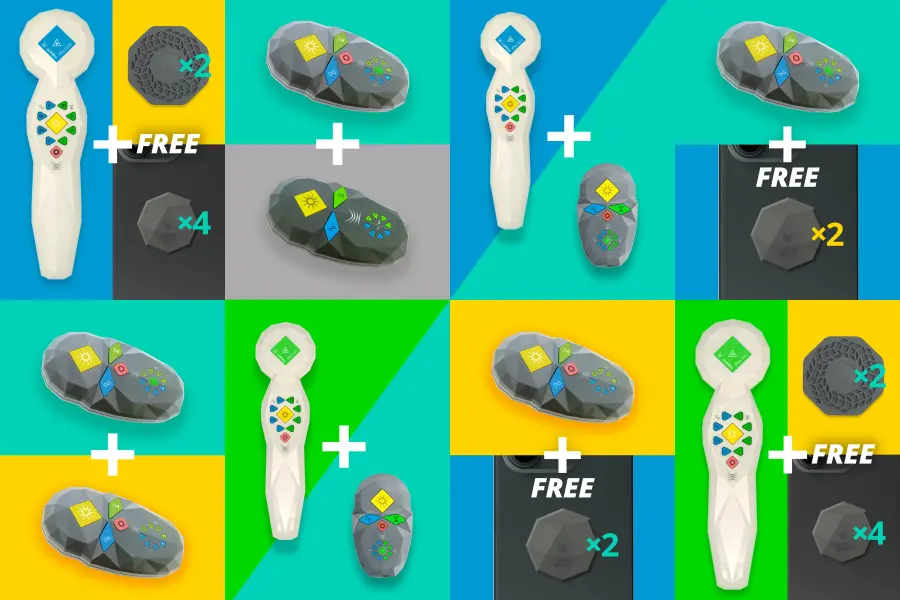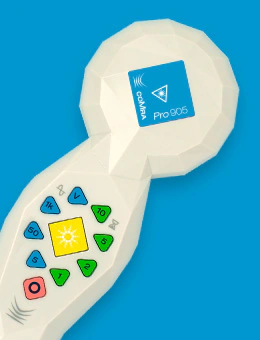
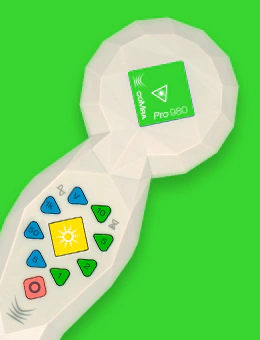
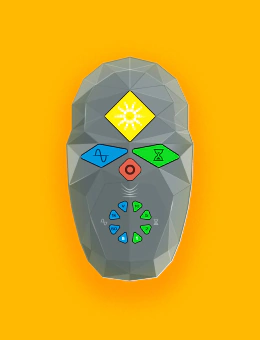
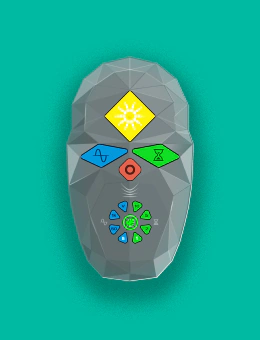
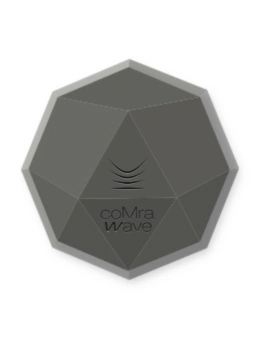
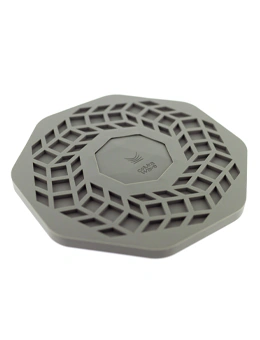
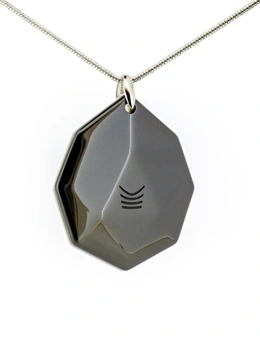
This presentation explores the scientific foundations of coMra therapy, challenging the misconception that the body is a machine prone to inevitable wear and tear. By examining the body as a regenerative process, the discussion details how coMra therapy utilizes low-level laser, magnetic fields, colour LEDs, and ultrasound to provide energy, cellular messaging, and metabolic stimulation. These combined modalities support the body's innate intelligence to facilitate healing and tissue regeneration.
This case study details the successful treatment of a deep wrist laceration in a 28-year-old male using coMra therapy. By applying the Delta 905 medical terminal alongside supportive Universal 4 and 5 protocols, the patient achieved rapid healing over a 15-day period, significantly reducing the need for conventional antibiotics.
This presentation explores the application of coMra therapy in a pediatric neuromusculoskeletal rehabilitation center in India. Dr. Deepak Charan and his team utilized the coMra Delta device to treat 36 children suffering from conditions such as cerebral palsy, clubfoot, and spina bifida following orthopedic surgery. The study demonstrates that coMra therapy effectively reduces post-surgical pain, swelling, and muscle stiffness while significantly improving range of motion and decreasing hypersensitivity in pediatric patients.
Dog attacked by other dogs, large piece of skin torn off its back.
Learn more: https://comra-therapy.com
Conditions:
Veterinary
Dog
Cut
Wound
Laceration
Injury
First Aid
Granulation of Tissue
This case study examines the successful application of coMra therapy in treating a patient with chronic, non-healing varicose ulcers complicated by diabetes, hypertension, and ischemia. The presentation details the patient's complex medical history and the significant recovery achieved through consistent coMra treatment protocols. By supporting the body's natural healing capacity, the therapy facilitated tissue regeneration and improved the patient's overall condition.
This case study explores the successful application of coMra therapy in treating a patient suffering from psoriatic rheumatoid arthritis. After 15 years of psoriasis and two years of debilitating joint pain, the patient utilized a combination of coMra protocols, including Universal 7, to significantly reduce pain levels and restore mobility. The results demonstrate the effectiveness of coMra therapy in addressing the autoimmune components of chronic arthritis.
This case study details the recovery of a 44-year-old patient who suffered a severe leg fracture and subsequent complications following a car accident. After four months of hospital treatment involving multiple surgeries, the patient experienced persistent infection, hepatic dysfunction, anemia, and neuropathy. By applying coMra therapy, the patient achieved significant improvements in vitality, immune system response, and the healing of abscesses and hemorrhoids.
This video explores the application of coMra therapy in pediatric neurorehabilitation, featuring clinical insights from Dr. Arina Khmelevskaya. The discussion highlights the successful use of coMra therapy in treating various childhood conditions, including enuresis, respiratory issues, and congenital hypotonia. By integrating coMra therapy with traditional physiotherapy and kinesiology, practitioners can effectively support motor function development and address physical deformities in children.
An optometrist presents a compelling case study of a 57-year-old patient diagnosed with retinitis pigmentosa, who also presented with HIV and type 2 diabetes. The presentation details how the integration of frequency-specific microcurrent and coMra therapy protocols led to significant, objectively measured improvements in the patient's visual fields, contrast sensitivity, and depth perception, challenging the typical progressive decline associated with the condition.
Dr. Chaikin presents a compelling case study of a 71-year-old patient who suffered a central retinal artery occlusion, resulting in significant vision loss, dizziness, and balance issues. By implementing a coMra therapy protocol – specifically Universal 1 combined with an Optic Neuritis protocol – the patient experienced remarkable improvements in visual acuity, contrast sensitivity, and spatial awareness. The case highlights the potential of coMra therapy to support recovery and prevent cellular degeneration in cases where conventional medical options are limited.