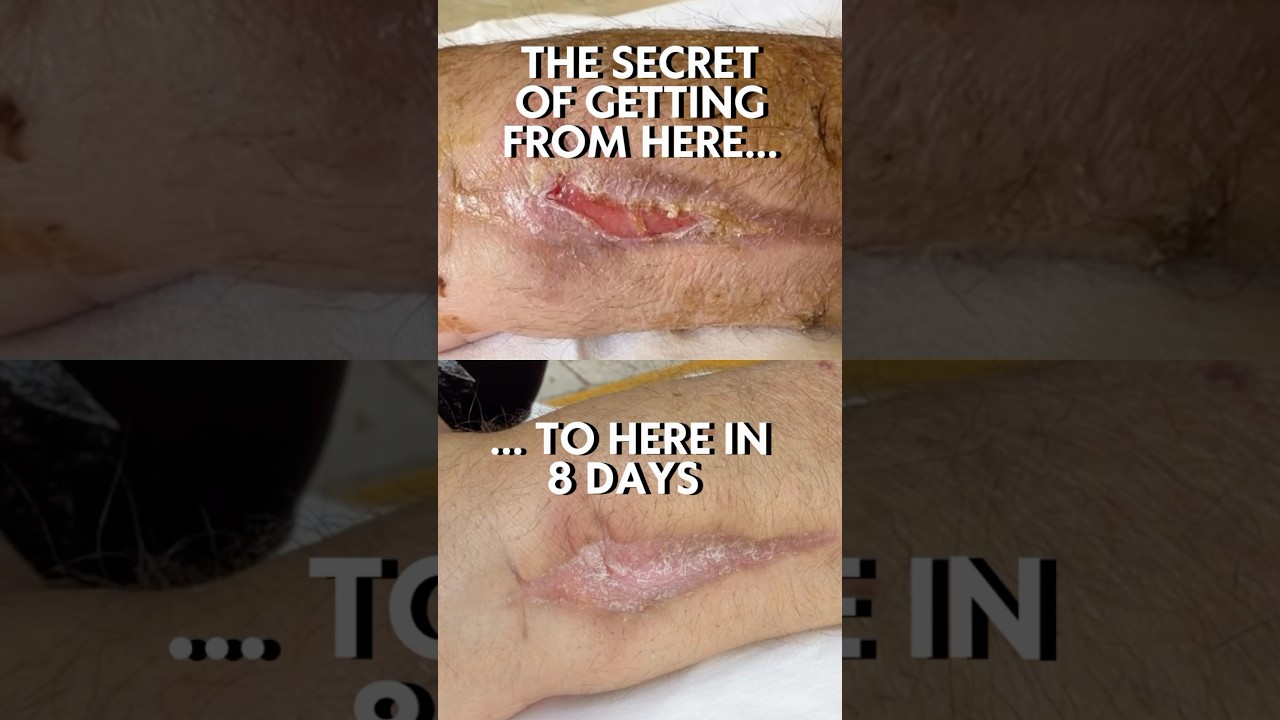
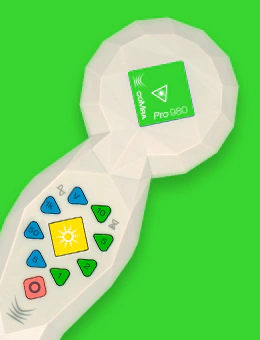
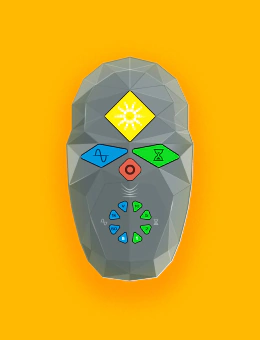
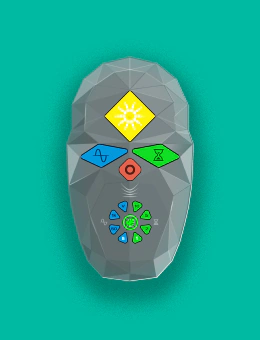

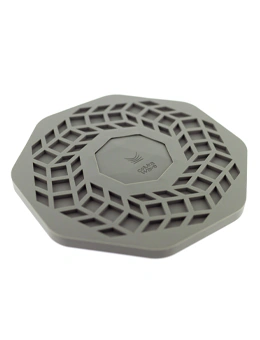
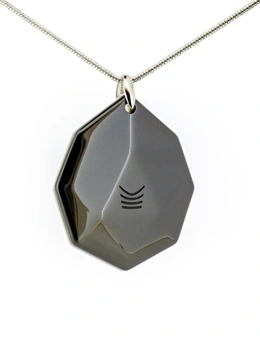
This video documents the rapid healing of a post-surgical wound following a severe gout crisis, using the coMra Pro 980 at 1000 Hz. Over the course of five treatments in 14 days, the patient experienced significant tissue regeneration and complete wound closure.
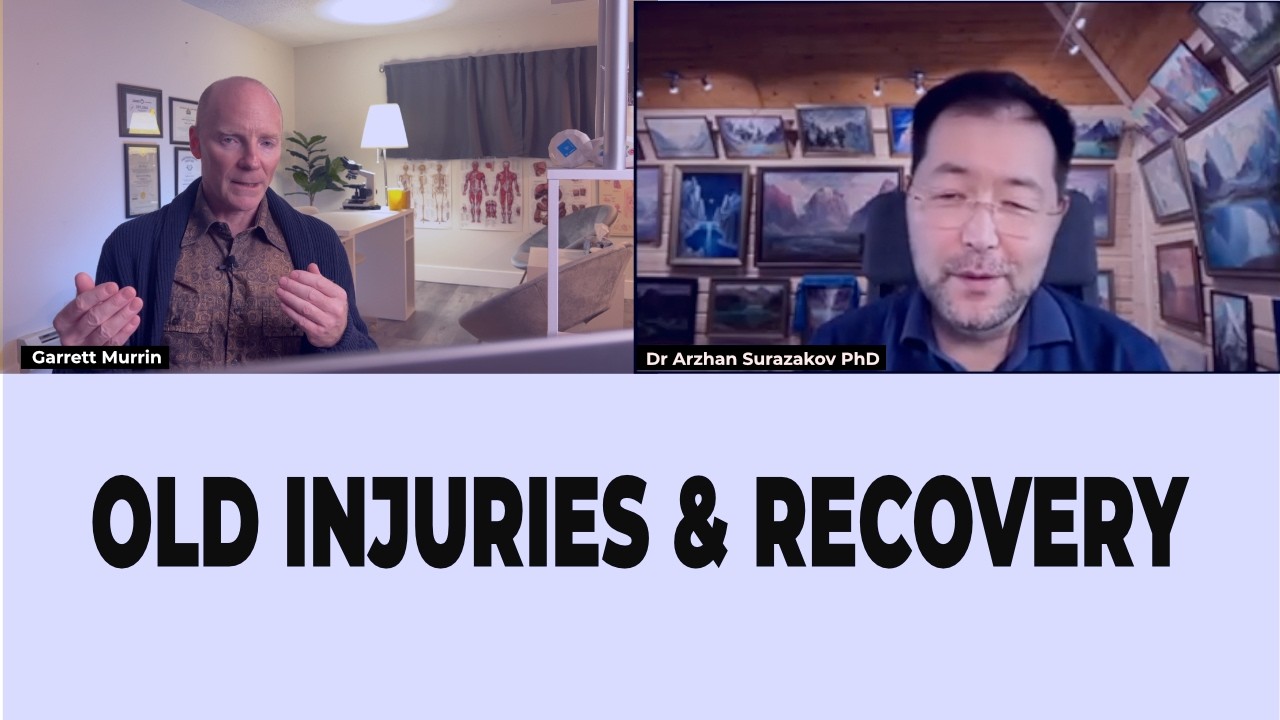
Arzhan Surazakov discusses the potential for recovery from long-term, chronic injuries, explaining that the body is never static and continues to rebuild itself regardless of age. He outlines how consistent coMra therapy, when combined with appropriate physical exercise, can support functional restoration and structural improvement in tissues damaged decades ago. The discussion emphasizes that recovery is an ongoing process of adaptation rather than a one-time fix, with specific recommendations for using coMra Pro and ultrasound for deeper tissue support.
In this episode of Healing with Coherence, Dr. Larry Wallace discusses his initial discovery of coMra therapy while searching for advanced light-based treatment options for his practice. He shares his professional experience with the device, highlighting the unique synergy of infrared light, colored light, magnetic fields, and ultrasound in supporting the body's healing processes.
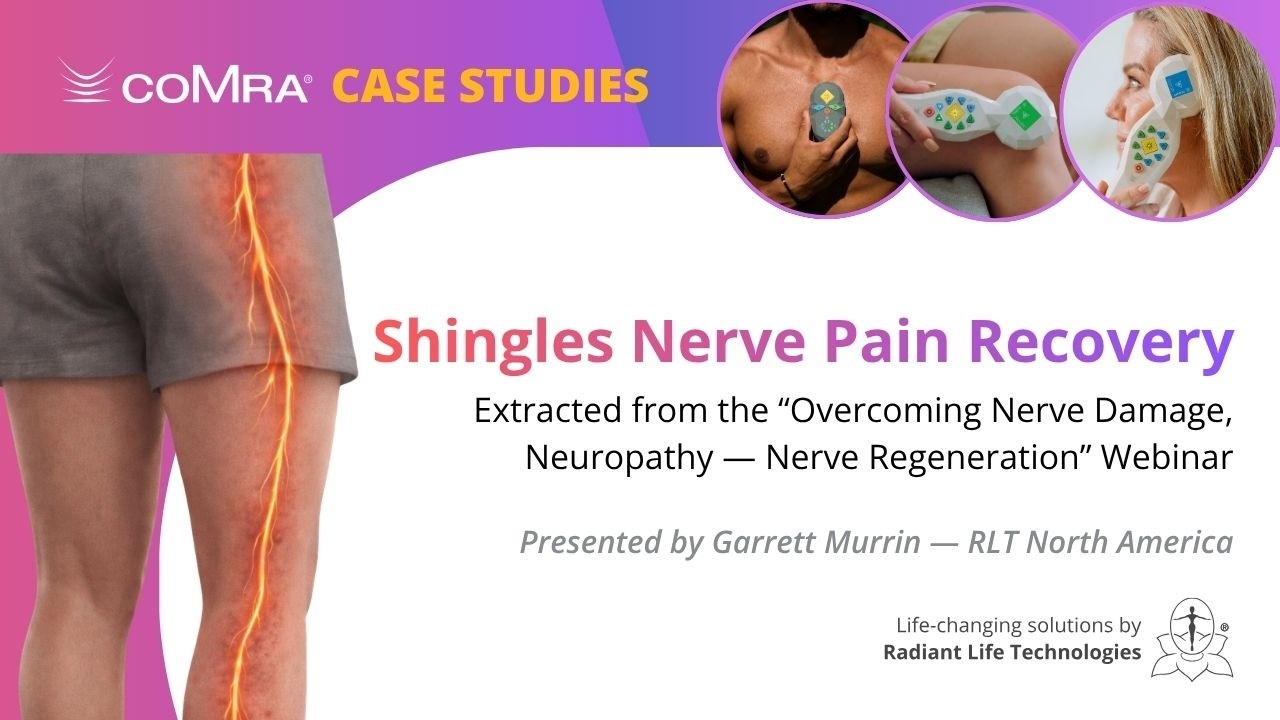
This case study examines the recovery of a patient suffering from severe postherpetic neuralgia following a shingles outbreak. By utilizing coMra therapy to support the body's natural nerve repair mechanisms, the patient achieved significant pain relief and a full restoration of mobility within one week. The video highlights the potential for nerve regeneration and functional recovery even in challenging cases of post-viral neuropathy.
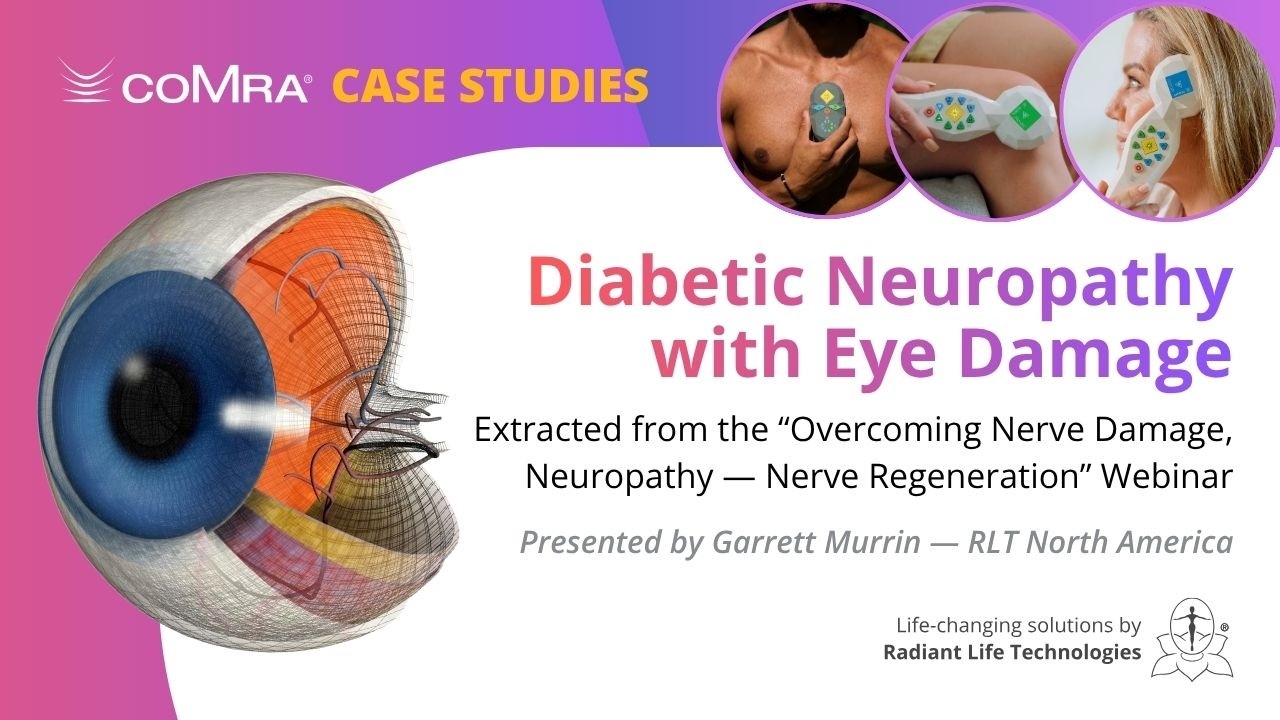
This video examines a compelling case study of a patient with long-term diabetic complications, including neuropathy and autonomic nerve damage. It explores how coMra therapy can be utilized to support nerve regeneration and restore nervous system function, leading to significant improvements in blood sugar stability, digestion, and overall quality of life. The discussion highlights the potential for the body to heal from chronic nerve damage when provided with the appropriate non-invasive support.
This webinar explores the application of coMra therapy to support recovery following cancer surgery and radiation treatments. The discussion details a three-layered approach focusing on local tissue healing, regional lymphatic support, and long-term systemic restoration to address complications such as scar tissue, nerve damage, and tissue necrosis.
Are you living with nerve damage and being told "nothing can be done"? You're not alone – and that may not be the whole story.
Explore a new, evidence-based way to support nerve regeneration and relieve pain naturally.
In our first neuropathy webinar, we explored why recovery is possible even when nerve damage is longstanding – and why the idea that “nothing can be done” is far from being correct.
This time we go into more deeply into the practicalities and nuances of using coMra for Neuropathy and nerve damage.
This session will focus on how recovery actually unfolds, and how to work skillfully with the biological process rather than guessing or escalating without knowledge.
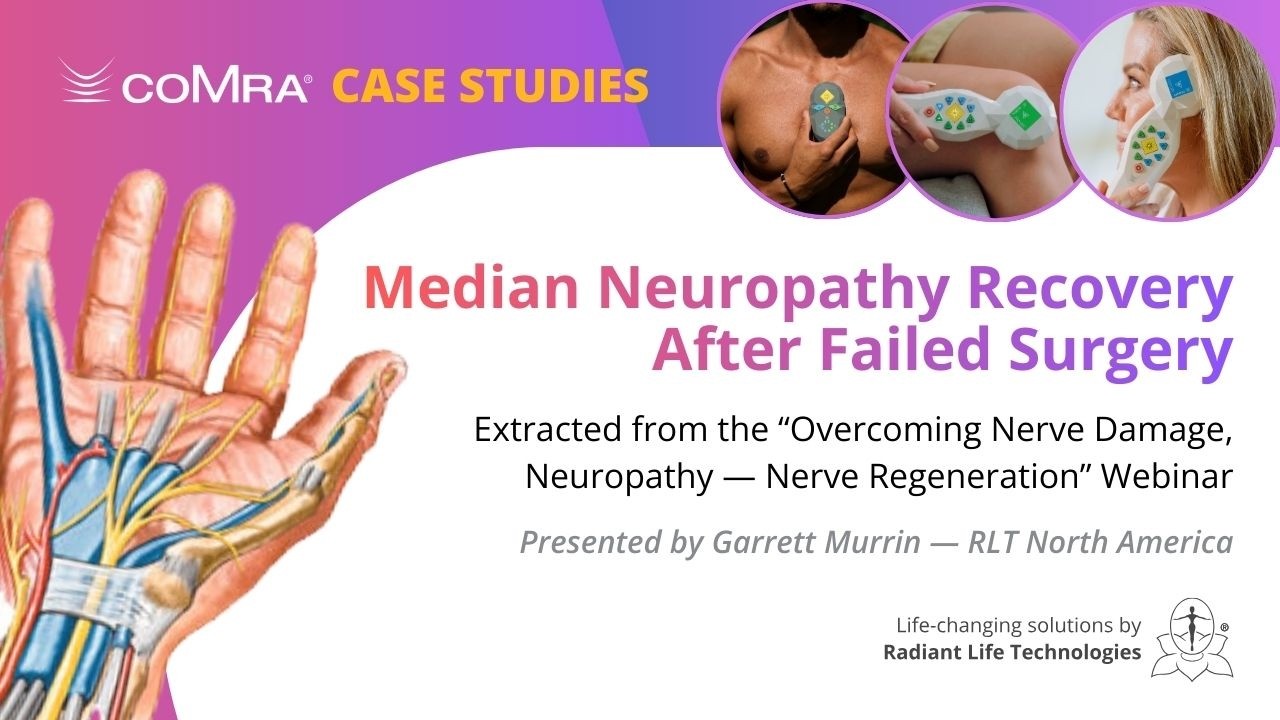
This case study explores the recovery journey of a 41-year-old professional cook who suffered from median nerve damage following unsuccessful carpal tunnel surgeries. Despite being told her condition was permanent, she utilized coMra therapy to support her body's natural self-repair mechanisms. The video details her non-linear recovery process, which ultimately led to complete pain relief, restored wrist mobility, and a successful return to her professional career.
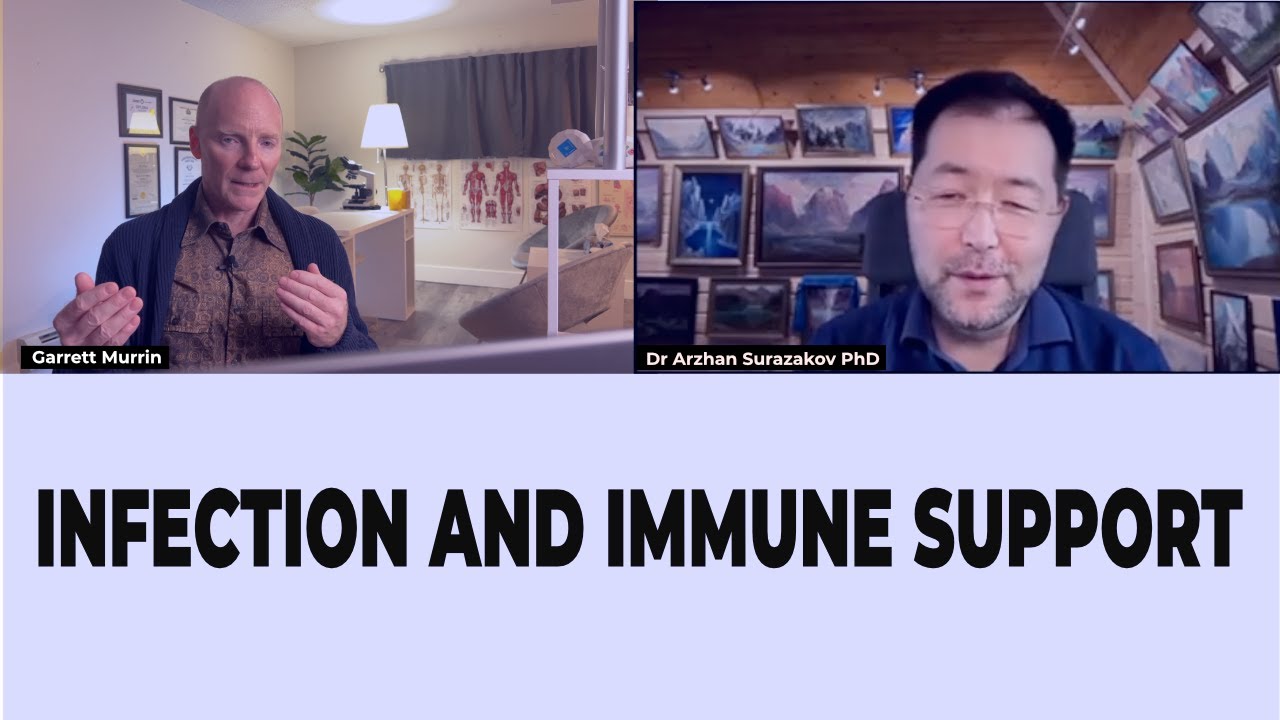
In this educational discussion, Arzhan Surazakov and Garrett Murrin explore how to effectively support the body's immune system during an active infection. They clarify the critical distinctions between immune suppression, stimulation, and normalization, explaining why the body's natural healing response is more complex than simply targeting pathogens. The conversation provides valuable insights into understanding immune dynamics and managing healing expectations when using supportive therapies.