FEATURED ARTICLE

The Problem of Pain

Chronic pain affects over 1.5 billion people globally, with traditional medications often causing significant side effects. coMra therapy presents a safer alternative by combining laser therapy with magnetism, ultrasound, and…

Read this article
The Problem of Pain
Browse our blog and see all articles

Customer services

Our customer services team are seasoned practitioners of coMra therapy with over a decade of experience.

If you're considering a coMra device – but have questions not covered in our extensive Resources and FAQ pages – please send us an email and we'll get back to you soonest:

info@comra-therapy.com

User support

If you already own a coMra device and need help with your device, with your treatments – or with any technical issues – please reach out to us here.

Click through on the link below, send us an email and we'll get back to you:

support@comra-therapy.com

Schedule a call

If you'd rather speak with one of our experienced customer service team members, you can schedule a call with us instead.

Please click through on the Calendly link below and one of our customer service team will get back to you:

calendly.com/comra-support-team

Chat with us

Alternatively, our customer service team are on hand to answer your queries between 9:00–5:00 EST.

Please click through on the link below, or simply click the floating Chat icon on the bottom right of the screen.

Chat with customer services now!
CONTACT US

Get in touch with us

Have a question or need help? Send us a message and we'll get back to you as soon as possible.

WARRANTY

Register your coMra device!

If you recently purchased one of our coMra devices, welcome to the family! Please fill out the registration form below to activate your warranty.

How do I find my serial number? Found on the sticker on the back of your original product box.

Neuromusculoskeletal Rehabilitation for Pediatric Patients

Dr. Deepak Charan, an orthopedic surgeon and rehabilitation specialist, oversees a network of clinics across India that specialize in neuromusculoskeletal rehabilitation. In a recent study conducted at their primary rehabilitation center, 36 patients were treated for pain using coMra therapy. The patient cohort, ranging from 4 to 23 years of age, presented with conditions including cerebral palsy, clubfoot, spina bifida, and myofascial pain syndrome.

Treatment Methodology and Protocol

The duration of the coMra therapy treatment varied from one to four weeks, depending on the severity of the individual’s condition. Many of these patients undergo surgical interventions – such as tendon releases and bone ossification procedures – performed in a single session. Following surgery, the children are placed in casts.

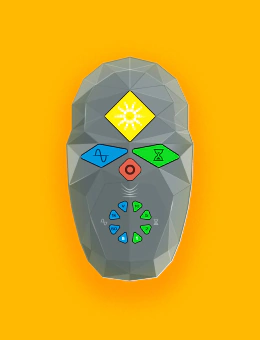
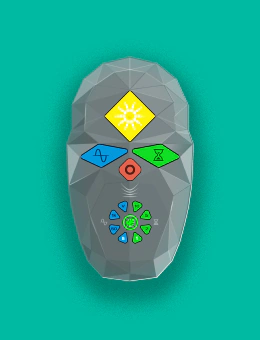
According to the physiotherapists at the center, the post-surgical rehabilitation protocol is extensive. The application of the coMra Delta begins immediately upon the removal of the cast, as this is the period when the children experience the most significant pain. The treatment utilizes various settings on the coMra Delta to address the specific needs of the patient during the recovery phases.

Clinical Outcomes

The results across all 36 cases were highly positive. The application of coMra therapy led to: * Reduced pain levels * Decreased swelling * Reduced muscle stiffness and tightness * Increased range of motion * Decreased hypersensitivity

To measure the efficacy of the treatment, the clinical team utilized the Visual Analogue Scale (VAS), a standard 0-to-10 pain assessment tool. All patients demonstrated a significant reduction in pain scores throughout the various phases of the rehabilitation program.

Conclusion

The findings from this study conclude that coMra therapy serves as a highly effective adjunct to standard rehabilitation programs for pediatric patients, particularly those recovering from surgeries related to cerebral palsy, as well as those managing non-surgical neuromusculoskeletal conditions. By integrating coMra therapy into the post-cast removal phase, the center has successfully improved recovery outcomes and quality of life for their patients.

This report was presented by Dr. Arzhan Surazakov.