 coMra user guides

 Articles

 Testimonials
 Case studies
 Podcasts



 Customer services
 User support
 Schedule a call
 Chat with us

 My last searches
 Popular searches
Pet health
Health and happiness for pets with coMra®

Non-invasive and safe

Effective

Wide spectrum of applications
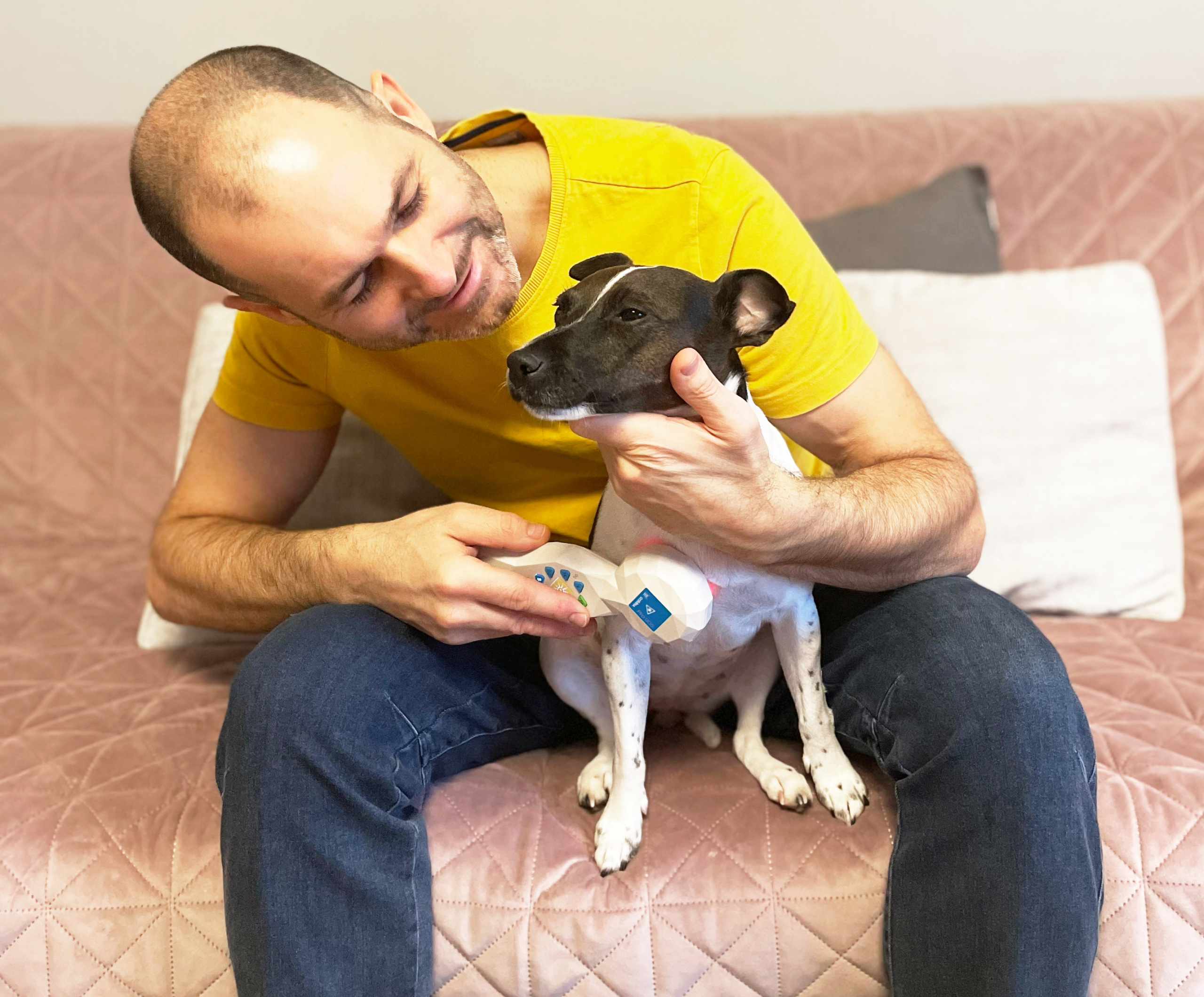


From Hospice to Recovery: How coMra Therapy Is Helping Animals Heal Naturally | Heather Hager
In this episode of the Voice of coMra series, mobile bio-wellness practitioner Heather Hager shares her decade-long experience using coMra therapy to support the health and recovery of animals. She discusses how the non-invasive, multi-modal nature of coMra therapy effectively treats conditions such as arthritis, inflammation, skin issues, and mobility challenges in pets. Through compelling real-life stories, including hospice cases, Heather highlights why coMra has become the foundational tool in her holistic practice.

coMra testimonials: coMra as a proactive approach to personal health care, Patricia Haman, USA
Patricia Haman, a transformational facilitator and life coach, shares her personal experience using coMra therapy to proactively manage her health. She discusses how she utilizes her coMra Delta device to recover from injuries, including a sprained ankle and a previous knee injury, as well as for general immune support and sinus health. Haman emphasizes the importance of taking personal responsibility for one's own healing journey through the use of coMra technology.

Working with Horses and How to Treat Horse Injuries with coMra therapy
In this presentation, Georg Beining shares his journey of using coMra therapy to support the health and recovery of horses. He details his experiences treating various conditions, including deep wounds and exercise-induced pulmonary hemorrhaging, while highlighting the importance of understanding animal psychology and building trust. The session provides insights into adapting coMra protocols for equine care and the positive results observed in both performance and healing.
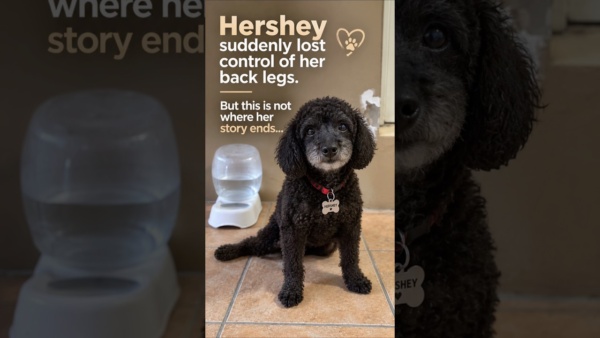
Hershey suddenly lost control of her back legs. But this wasn’t the end of her story. ❤️🐾
This video shares the inspiring recovery story of Hershey, a dog who regained mobility after suffering from Fibrocartilaginous Embolism (FCE). It highlights how her owner utilized the coMra Delta device as a supportive tool during the rehabilitation process.


Explore the core principles coMra is based on
FAQs on Pet Health
Can I use the same coMra device for my family and my pets?
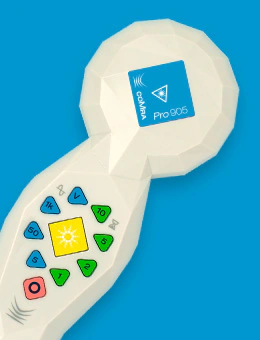
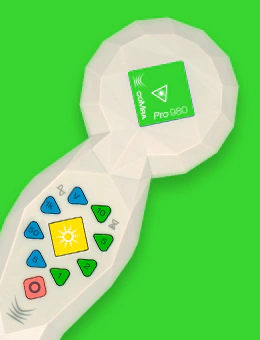
Yes – there is no separate animal device; the veterinary guides use the same coMra devices as the human protocols, and the frequencies serve the same purposes as in the human protocols. Only the treatment points and durations change with species and size. For hygiene, cover the treatment head with cling wrap when treating wounds, infections or dusty coats.
Can coMra therapy be used on horses?
Yes – a dedicated Cow & Horse user guide adapts every protocol to large-animal anatomy and adds equine-specific ones: hoof protocols for laminitis, frog rot, pododermatitis and shoeing injuries, plus colic and pastern injuries. The veterinary guide's vitality routine (Universal 4) covers training for competition, recuperation and muscle tone, alongside protocols for wounds, joints, tendons and muscle sprains. Horses' dusty coats call for one adaptation – wrap the treatment head in cling film; the fur itself stays on, as it conducts the radiances.
Is coMra treatment different for cats and dogs?
The treatment points, frequencies and course structure are the same – only the time per point differs, with cats receiving shorter durations because of their smaller bodies (typically half a minute per point where a dog gets one minute). Small dogs such as pugs and chihuahuas follow the cat timings, as do rabbits and hares. Both species are covered in a single Cat & Dog veterinary user guide.
Can coMra therapy be used on my pet's wounds and injuries?
Yes – cuts, abrasions, bruises, insect bites, minor burns, open wounds and post-surgery sutures are all covered by the Surgery 1 protocol: the affected area is scanned twice daily until it improves, alongside the Universal 3 routine, which supports overall healing through the blood supply. Fur around the wound stays on – it conducts the radiances – and the treatment head is covered with cling wrap over broken skin for hygiene. Bone fractures have their own protocol, applied twice daily until full recovery through an opening cut in the cast directly over the fracture.
How long does a coMra session last for a pet?
Sessions are short and scale with body size: a head protocol for a cat or dog takes about 4.5–6 minutes, a single joint about 5 minutes, and the full vitality routine 17–19 minutes (34 minutes for a horse or cow). The device simply rests on the coat point by point, and most courses run once daily, every second day, with a one-month rest between courses. If an animal becomes restless – usually near the ears, where it can sense the ultrasound – switch the ultrasound off for those points and reintroduce it once the animal is accustomed.