
 coMra user guides


 Articles

 Testimonials
 Case studies
 Podcasts



 Customer services
 User support
 Schedule a call
 Chat with us

 My last searches
 Popular searches

For mild to moderate dehydration, rehydration usually takes about 45 minutes to a couple of hours – the time it takes your body to absorb and distribute the water you drink. More serious dehydration takes longer, and severe cases may need medical care. How quickly you bounce back depends on how dehydrated you are, what you drink, and how well your body absorbs it.
How long does it take to rehydrate? Quick reference
| Level of dehydration | Roughly how long to rehydrate | What helps |
|---|---|---|
| Mild (thirst, dry mouth, slight headache) | ~45 minutes to 1 hour | Sipping clean, pure water steadily |
| Moderate (from heavy sweating, training, vomiting or diarrhea) | A few hours, with electrolytes | Water plus electrolytes / a sports drink to restore minerals |
| Severe (rapid heartbeat, very dark urine, faintness) | Needs medical care – not a “drink more” situation | Professional rehydration |
Individual recovery varies – how much time your body needs depends on your current condition.
What affects how fast you rehydrate
- How dehydrated you are. Mild cases clear in under an hour; the deeper the deficit, the longer it takes.
- What you lost. Sweat, vomiting and diarrhea remove minerals as well as water, so plain water alone may not be enough – you may need electrolytes to truly rebalance.
- How you drink it. Small, frequent sips absorb better than half a liter downed at once. Lukewarm or warm water is gentler on digestion – and absorbed more comfortably – than ice-cold water.
- The water itself. Well-absorbed water (naturally fresh spring water) reaches the cells more readily; water that runs straight through you does little good.
Signs and symptoms of dehydration
How dehydration shows up varies with the person, the temperature and your emotional state. Watch for the pattern:
Mild dehydration: mild headache, dizziness or lightheadedness, dry mouth, dry skin, fatigue.
Severe dehydration (act promptly): excessive thirst, rapid heartbeat, low blood pressure, shortness of breath, lack of sweat and very dark urine, fainting or loss of consciousness.
You lose water constantly – through sweat, through digestion, and simply through your cells doing their work – which is why staying ahead of it matters, especially in hot weather. See the signs of dehydration in more detail.
How to rehydrate faster
How much water to drink daily
Give your cells access to clean water throughout the day rather than in big, occasional gulps. Sip steadily, favour lukewarm over ice-cold, and choose good-quality water so you absorb it rather than lose it straight away. Good hydration is part of the wider picture of everyday health – see our Health & Prevention hub.
Does water quality change absorption?
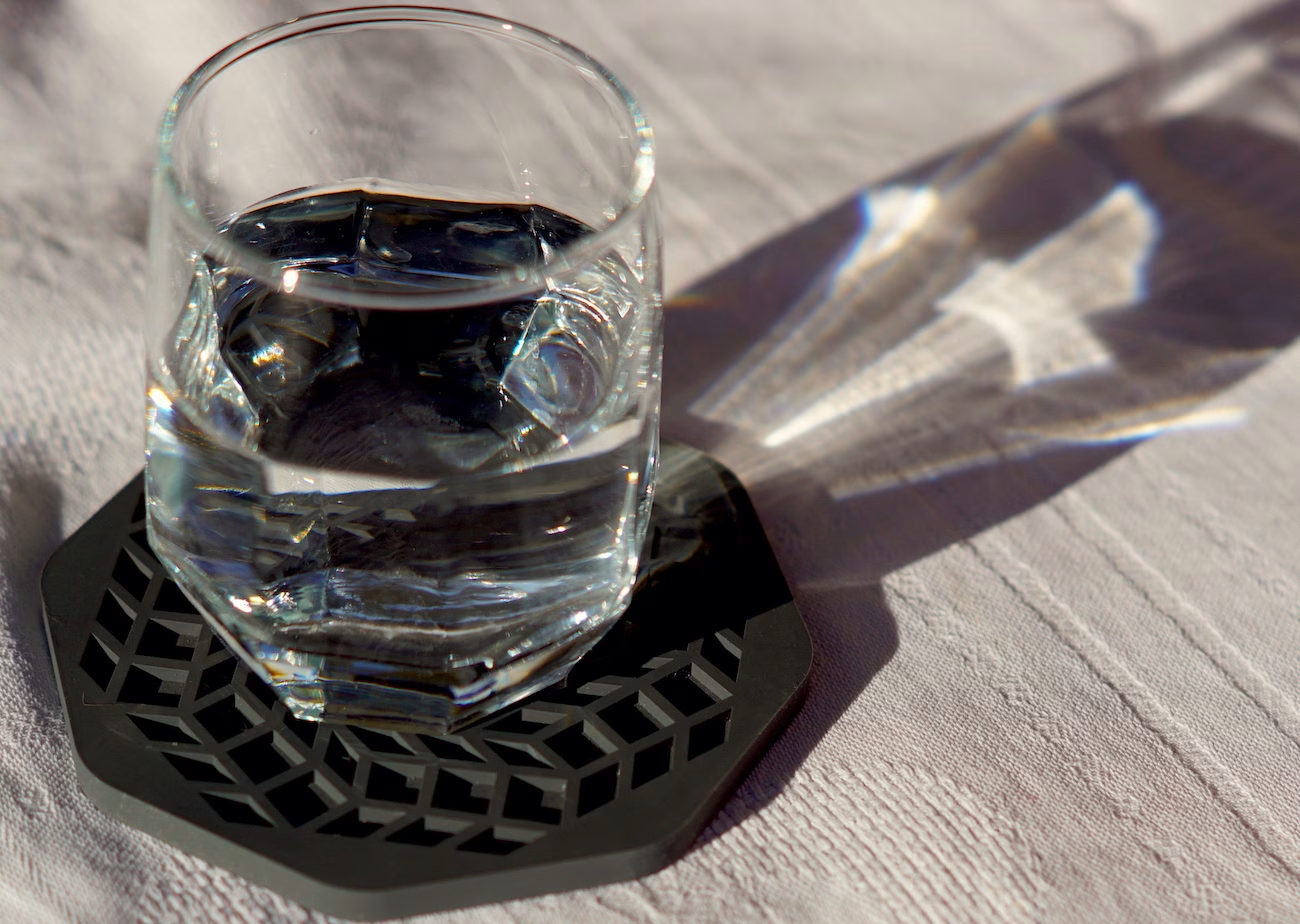
The better the water, the better cells take it up. Natural spring water is very well absorbed by the cells – and filtered water that has been sitting for ten minutes on a coMra Wave device is as good as it: the water is returned to its natural state of energy by creating a small vortex on a molecular level. Whatever the source, clean and steady beats cold and rushed.
When rehydration needs medical help
Most dehydration is mild and resolves with water. But severe dehydration – from prolonged vomiting, diarrhea or heat – can lead to heat stroke, low blood pressure or kidney failure if left untreated, and needs professional care rather than more fluids at home. If someone is confused, faint, or has a racing heart and very dark urine, seek medical help.
Frequently asked questions
How long does it take to get hydrated after drinking water?
For mild dehydration, roughly 45 minutes to an hour – the time your body needs to absorb and distribute the water. Moderate cases can take one to two hours or more.
How long does it take to rehydrate after heavy sweating or exercise?
Longer than plain thirst, because you also lose minerals. Water plus electrolytes or a sports drink helps restore the balance; allow an hour or two and keep sipping.
Can you rehydrate too fast?
Drinking a large volume all at once is absorbed less well and can feel uncomfortable – small, frequent sips work better. Severe dehydration should be managed with professional guidance, not rapid self-treatment.
Does the type of water matter for rehydration?
Yes – well-absorbed water reaches your cells more readily. Natural spring water is the benchmark; lukewarm water is gentler and better absorbed than ice-cold.
What’s the fastest way to rehydrate?
Sip clean water steadily (not all at once), keep it lukewarm rather than ice-cold, and add electrolytes if you’ve lost fluid through sweating, vomiting or diarrhea.
READ:
How Exactly coMra Wave Will Improve the Quality of Your Water?
Frequently Asked Questions about coMra Wave technology?
WATCH:
A shorter explanation on how coMra Wave technology works: