



 coMra user guides


 Articles
 Testimonials
 Case studies
 Podcasts





 Customer services
 User support
 Schedule a call
 Chat with us

 My last searches
 Popular searches

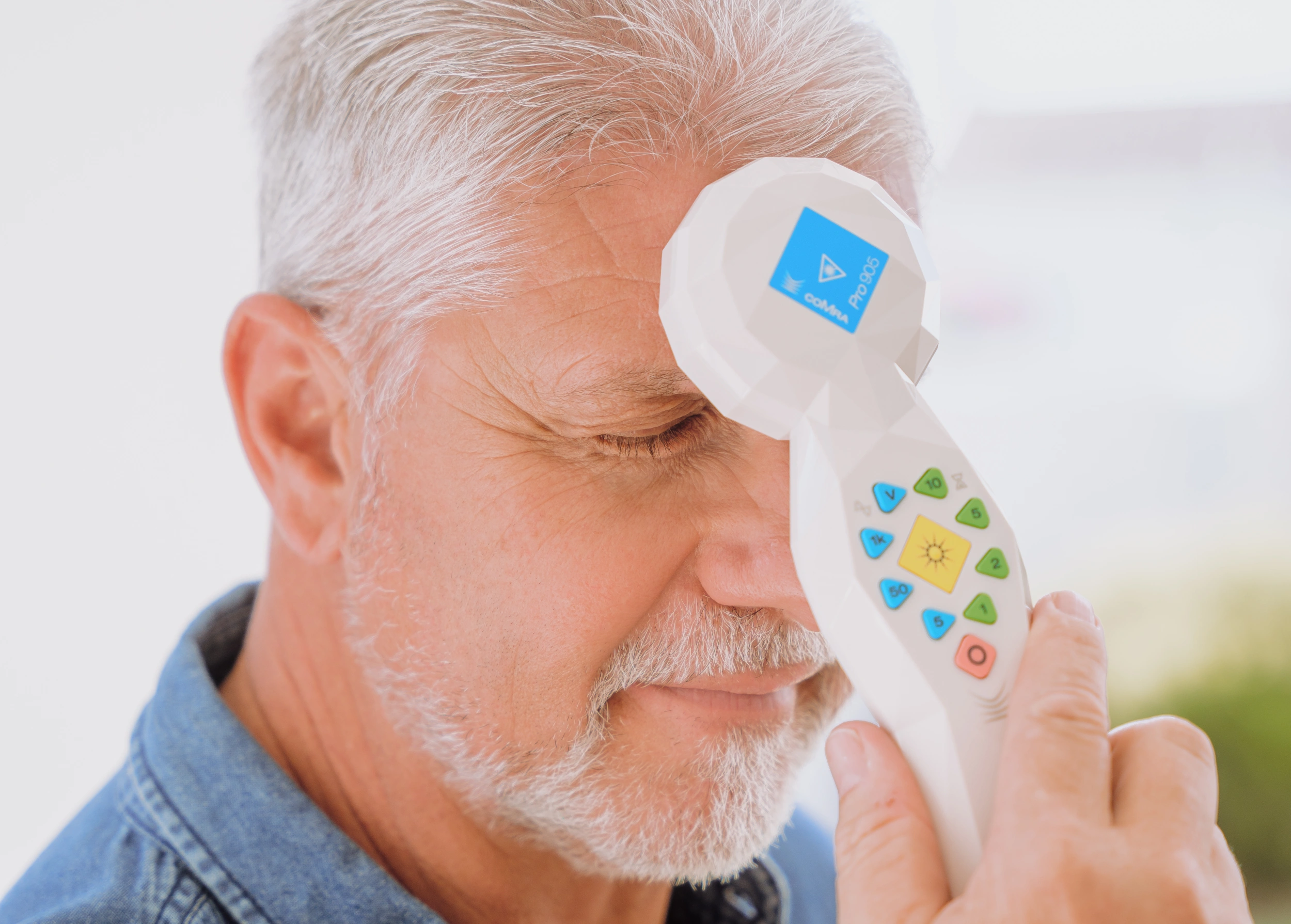
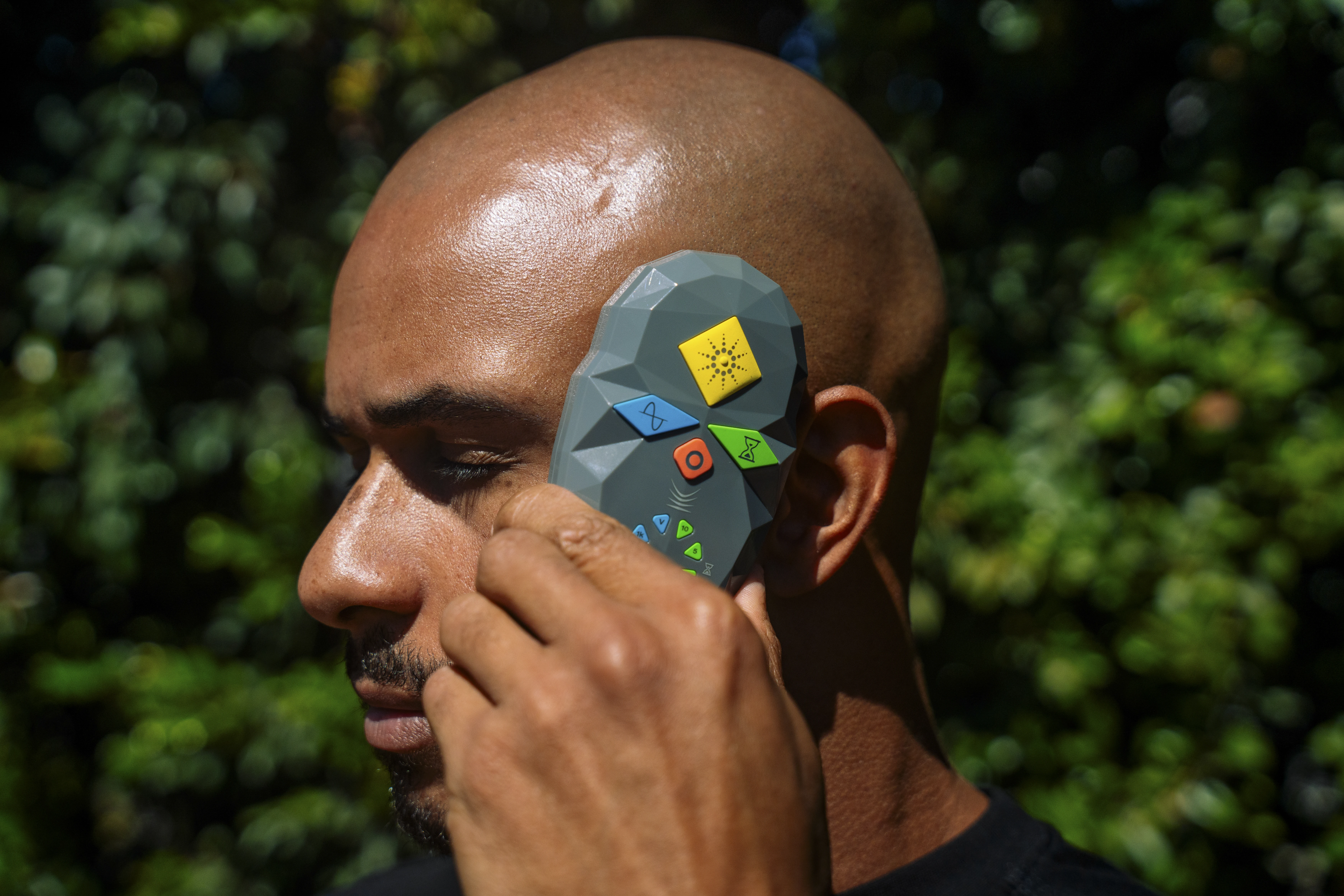
It’s undeniable that there is a connection between physical health and mental and emotional wellness. coMra can help you to manage the effects of everyday stressors and address physical and emotional imbalances at a deeper level
It’s undeniable that there is a connection between physical health and mental and emotional wellness. When your emotions remain out of balance, they have an impact on your physical health. coMra, with its light therapy component in addition to low-level laser and magnetism, can help you manage the effects of everyday stressors and address physical and emotional imbalances.
Renowned author and professor Norman Cousins conducted extensive research into the biochemistry of human emotions, believing that they were the key to success in fighting illness. In 1964, when he was diagnosed with a debilitating connective tissue disease, he put his theory to the test by developing his own recovery program. This program included large intravenous doses of vitamin C and copious bouts of laughter, brought on by watching Marx Brothers films and Candid Camera shows.1
“I made the joyous discovery that ten minutes of genuine belly laughter had an anesthetic effect and would give me at least two hours of pain-free sleep. When the pain-killing effect of the laughter wore off, we would switch on the motion picture projector again and not infrequently, it would lead to another pain-free interval.” – Norman Cousins1
Cousins documented this experience, and his beliefs about the mind-body connection, in his best-selling book Anatomy of an Illness as Perceived by the Patient: Reflections on Healing and Regeneration, published in 1979.1
Today, the Norman Cousins Center for Psychoneuroimmunology at the Jane and Terry Semel Institute for Neuroscience and Human Behavior at UCLA carries on Cousins’ legacy, in part through research into the mind-body connection and the role the psyche plays in healing. Mindfulness is a central focus of their work, with research showing that mindfulness can alter symptoms and even genetics in ways that can lead to positive health outcomes.1
Read more: Laughing all the way
The mind-body connection: How emotions affect the body
“Illness… can begin in the mind and affect the body, or it can begin in the body and affect the mind, both of which are served by the same bloodstream. Attempts to treat most mental diseases as though they were completely free of physical causes and attempts to treat most bodily diseases as though the mind were in no way involved must be considered archaic in the light of new evidence about the way the human body functions.” – Norman Cousins2
Cousins was also heavily influenced by the research and findings of Canadian scientist Hans Selye. In medical school, Selye observed that patients with chronic illnesses (like tuberculosis and cancer) displayed a common set of symptoms that he attributed to the stimulus of stress. In his later research, he observed a phenomenon that resembled what he had previously seen in chronic patients, with animals exhibiting a common pattern of responses to these stressors. Selye initially called this the “general adaptation syndrome” and later called it “stress response.” According to Selye, the syndrome has three phases, starting with an initial alarm phase followed by a stage of resistance or adaptation and, lastly, a stage of exhaustion or, in extreme cases, death.3
Similarly, Russian Scientist Lyubov Garkavi explored the multiple ways that an organism reacts to stressors like injury and illness.4
Garkavi discovered that emotional states trigger distinct physiological adaptational reactions in the body beyond just stress.5 She identified specific patterns showing how organism protection systems respond to different stimuli.5 Her work demonstrated that periodic, rhythmic application of different stimuli helped shift the body away from dominant negative states.5
Dr. Arzhan Surazakov, Ph.D., Head of Research and Development at Radiant Life Technologies, explains that many chronic conditions are deeply rooted in intense stress, traumatic experiences and suppressed emotions. Prolonged intense negative emotions introduce small but persistent changes in the cells and organs. Over time, without sufficient rest and recovery, the most affected organs structurally degrade, bringing about a chronic deficiency. If multiple organs and entire systems are affected, a chronic condition could emerge as a metabolic, autoimmune, or degenerative disease.6
Moving from "the Crisis Zone" to "the Healing Zone" with light therapy
Garkavi’s discovery of adaptational reactions supports the use of rhythmic light therapy to help restore balance in the body and mind. Her documented scientific validation that emotional states impact physical health provides a foundation for using light and other therapies for emotional balance.
The response to stimuli occurs throughout the whole organism (not just in specific organs) and happens regardless of what type of stimulus triggered them. This means that therapeutic interventions could trigger beneficial whole-body adaptational reactions, rather than just treating specific symptoms.
Your ability to heal and recuperate is very impaired when you are in crisis, experiencing a constant state of stress. coMra’s combination of coherent therapies can be used to calm stress and restore balance, providing emotional crisis management, so your body can get into a healing state or zone and start to heal itself.
Note: Since coMra therapy is an innovative form of medical science, we are constantly updating our knowledge base to reflect the growing body of clinical data. In response to growing demand, new protocols are also being developed, compiled, and added on an ongoing basis. Consequently, to ensure that you get the optimum value from coMra therapy, you should regularly check the coMra therapy website and update the mobile application for the latest additions and amendments to the User Guide.
References:
2 Anatomy of an illness: as perceived by the patient. Goodreads
3 Hans Selye. In: Wikipedia. 2025
4 Kit OI, Shikhlyarova AI, Maryanovskaya GY, et al. Theory of health: successful translation into the real life. Cardiometry. No.7 November 2015.
5 About Lyubov Garkavi. In: Treatment and prevention of cardiovascular system diseases: Systems-focused approach vs local control. Cardiometry Open Access e Journal. No.7 November 2015.
6 coMra Harmony User Guide (HUG). coMra therapy