Healing with Coherence: A Conversation with Dean Hall
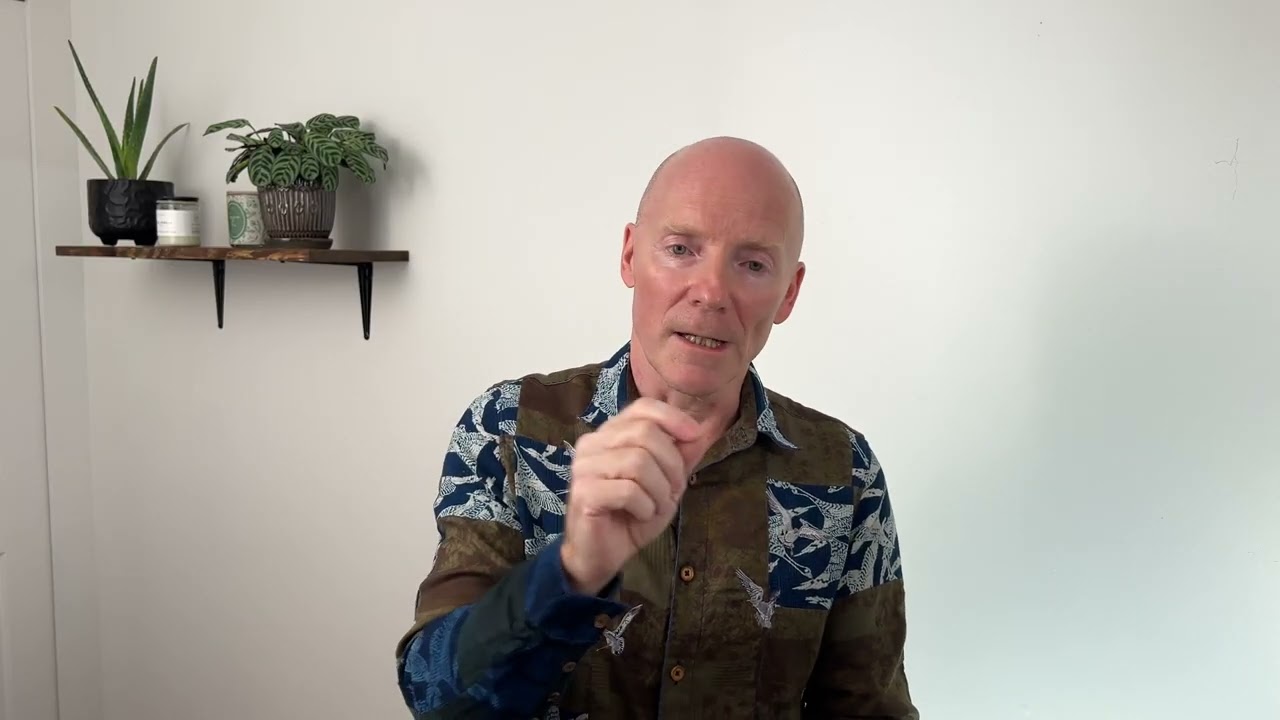
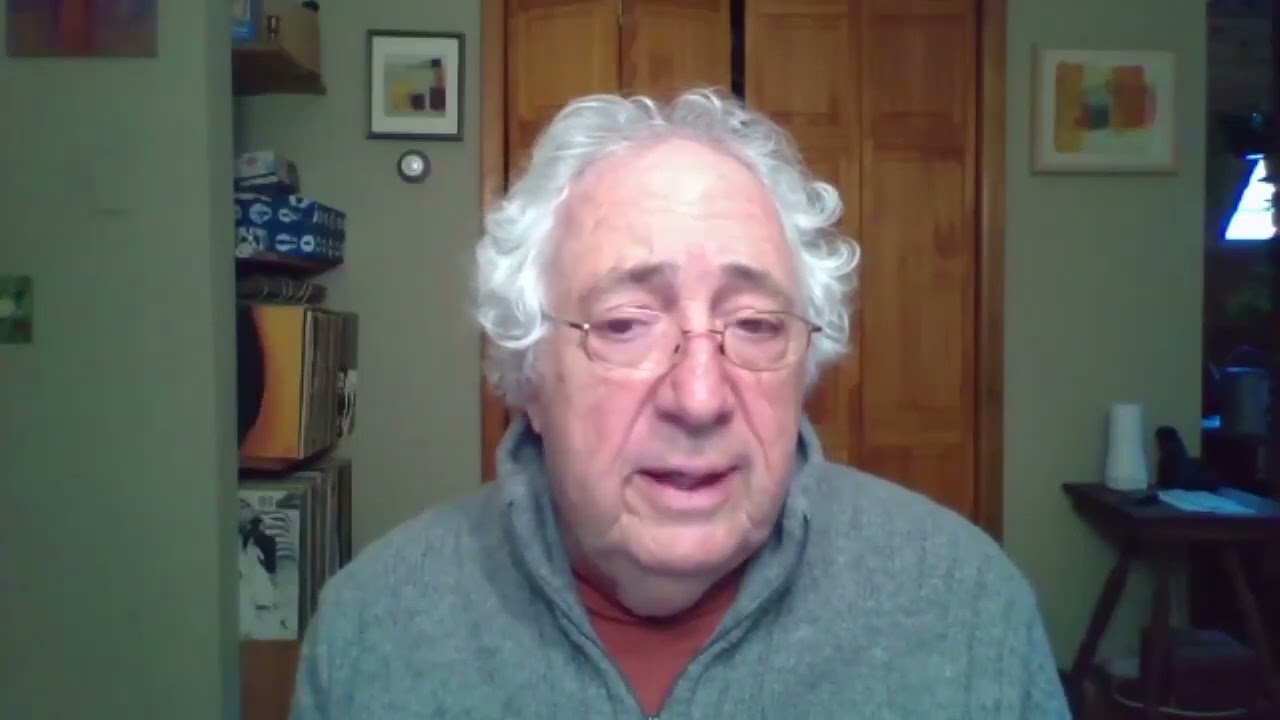
In this episode of the Healing with Coherence podcast, hosted by Mikel and produced by Radiant Life Technologies, we explore the profound journey of Dean Hall. A cancer survivor, marriage therapist, and author of The Wild Cure, Dean shares his transformative path from a traditional medical diagnosis to a life defined by love, purpose, and the pursuit of miracles.
Defining the Miraculous
Dean’s journey began with a shift in perspective – moving from a worldview where nothing is a miracle to one where everything is. When asked to define a "miracle," Dean describes it as something astonishing and unexpected, a phenomenon that defies simple explanation.
He believes we are currently living in the "Dark Ages" of healthcare, where the focus on disease often overlooks the impact of emotional suppression and habitual thought patterns. For Dean, miracles are not rare anomalies; they are part of our daily existence, accessible to anyone who chooses to open their consciousness and awareness to them.
The Purpose of Being Alive
As a therapist with 35 years of experience, Dean has observed that every individual carries a unique, idiosyncratic dream. He compares this to an instinctual drive, much like a bird migrating south. He argues that we are often conditioned to abandon these dreams in favor of societal expectations, such as material wealth or corporate success.
"I think it’s this beautiful combination of finding purpose – whatever that may be – that you’re passionate about," Dean explains. "That purpose plus the passion creates a dynamism that helps you grow spiritually, emotionally, physically, and mentally." For Dean, living fully requires a purpose that extends beyond the self, helping to dismantle the facade of self-centeredness and fostering a deeper connection to the world.
Faith and Higher Consciousness
Dean’s spiritual life is deeply rooted in his extensive time spent in nature. While raised in a conservative Protestant tradition, his academic background in theology and comparative religions led him to move beyond rigid dogmas. He views his faith as a private, internal affair, much like his sexuality – deeply personal and essential to his well-being. He prefers to define his faith through the lens of "loving kindness," viewing the universe as a manifestation of love.
Movement as Medicine
Dean’s relationship with physical movement is lifelong, shaped by his parents, who were avid mountain climbers. From his early days in soccer to his later years in triathlons, movement has been a cornerstone of his vitality.
When he was diagnosed with leukemia, his immune system became so compromised that he had to step away from public pools and intense training. However, the decision to swim the entire length of the Willamette River in Oregon became the catalyst for his recovery. He notes that the physical challenge of the swim – 187 miles in 40-degree Fahrenheit water – was made possible by two things: years of mindfulness meditation and the perspective gained through his own suffering. Having endured the trauma of his wife’s passing and his own health battles, the physical discomfort of the swim felt manageable, even purposeful.
The Connection Between Trauma and Disease
Dean discusses the correlation between trauma and illness, referencing the principles of German New Medicine. He recalls his own diagnosis in 2007, followed by the devastating loss of his wife in 2010. Almost exactly one year after the trauma of losing her, his leukemia returned with increased severity.
Through his recovery, Dean utilized "mind-body conversations," a practice of entering a meditative state to listen to his body’s internal wisdom. He discovered that he had been holding onto fear and anger, and his healing journey involved the conscious effort to release these emotions.
A Legacy of Inspiration
Reflecting on his swim, Dean emphasizes that while he could have potentially completed the journey alone, the presence of his 79-year-old father as his guide boat operator transformed the experience into a profound gift.
Ultimately, Dean’s story is not about being a "champion" in the eyes of the world, but about proving that we are all capable of miracles. By refusing to be defined by his diagnosis, he transformed his struggle into a message of hope, encouraging others to find their own "wild cure" by aligning with their true selves and embracing the love that sustains us all.
The Diagnosis: A Catalyst for Transformation
Dean Hall recounts the surreal moment he received his leukemia diagnosis, a revelation that arrived not through a formal medical setting, but through a deeply personal interaction with a friend and physician. Despite his professional background as a hypnotherapist, Hall admits he was initially oblivious to the gravity of his own situation, even attempting to comfort the medical staff during his blood tests. When the diagnosis was finally delivered – a rare, aggressive form of leukemia – the shock was profound. He was told he had mere days or weeks to live.
Reflecting on the experience, Hall considers the "New German Medicine" perspective, which posits that cancer can be the body’s biological response to an unresolved emotional shock. He suggests that his own diagnosis may have been a "wake-up call" following five years of intense, vicarious exposure to the sexual trauma of his clients. By constantly immersing himself in these harrowing stories, he had neglected his own physical and emotional boundaries. He now believes that the diagnosis, while terrifying, forced him to prioritize his health, nutrition, and sleep, ultimately steering him toward a more sustainable way of living.
Challenging the Medical Narrative
Hall emphasizes the importance of patient advocacy, cautioning against the "nocebo effect" – the phenomenon where a patient’s belief in a dire prognosis can manifest as physical decline. He encourages others facing similar challenges to reject the role of a passive patient. "Be your own advocate," he urges, noting that he fired several oncologists who failed to treat him as a partner in his own care. He views the doctor-patient relationship as a team: the patient is the captain, and the physician is the expert consultant.
Regarding conventional treatments like chemotherapy and radiation, Hall clarifies that he is not "anti-medicine," but rather advocates for a personalized approach. He views aggressive interventions as a last resort, preferring to first address the root causes of his condition through lifestyle changes: eliminating sugar and processed foods, maintaining steady glucose levels, light exercise, consistent meditation, and prioritizing restorative sleep.
The Shift from Fighting to Loving
A pivotal turning point in Hall’s journey was his decision to stop "fighting" cancer. Drawing on his past experiences with physical altercations, he realized that "fighting" a bully like cancer was an inherently draining and unfair approach. Instead, he made the courageous choice to trade the battle for a commitment to "loving life." This shift in perspective – aligning with the idea that everything is a miracle – inspired him to undertake a 187-mile swim down the Willamette River.
Hall describes the river, which he affectionately named "Mama River," as a source of profound healing. He notes that as a human being, he is molecularly 99% water, and his time in the river felt like a deep, spiritual conversation. He argues that humanity has become dangerously disconnected from nature, depriving itself of a vital heritage of health and connection.
Coherence and the Journey Home
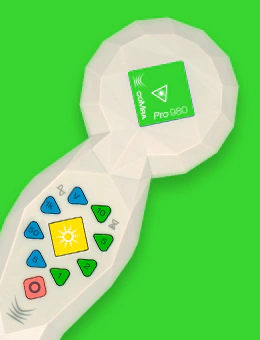
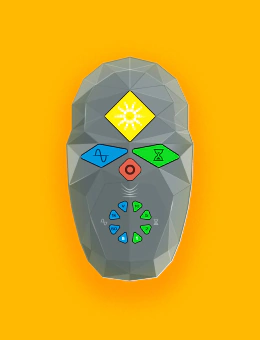
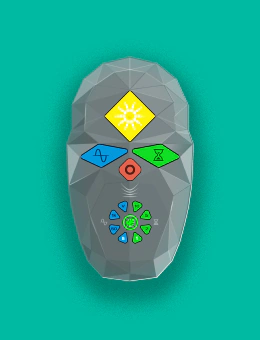
The conversation touches upon a poignant moment in Portland, where Hall sat under a bridge, feeling as though his "broken parts" were finally being glued back together. This resonates with the principles of coMra therapy, which seeks to restore the body to a state of coherence – a state of wholeness – through the modulation of light and sound.
Hall reflects on this moment as the culmination of his healing process, a time of immense peace and joy. When asked what it means to be alive today, his answer is clear: to be "full of passion, fueled by purpose, and absolutely present." His journey serves as a powerful reminder that healing is not merely the absence of disease, but a return to one's true, coherent self.







 coMra user guides


 Articles

 Testimonials
 Case studies
 Podcasts



 Customer services
 User support
 Schedule a call
 Chat with us

 My last searches
 Popular searches