Understanding Trigeminal Neuralgia: Causes and Clinical Perspectives
Trigeminal neuralgia is a condition characterized by intense, often debilitating facial pain. It is a complex subject that requires a deep understanding of both the physical mechanisms of nerve injury and the holistic state of the individual. This article summarizes the first of a two-part webinar series hosted by Radiant Life Technologies, featuring Arzhan Surazakov, Director of Research and Development, and Leslie, a clinical practitioner based in Florida.
The Mechanism of Nerve Injury
Arzhan Surazakov explains that the trigeminal nerve is the largest nerve responsible for collecting sensory information – such as touch, temperature, and pain – from the face and skull, relaying it directly to the brain stem. When this nerve is injured, whether through compression (such as a blood vessel pressing against the nerve), trauma, infection, or toxicity, the result is a compromised nerve fiber.
A healthy nerve fiber consists of an axon (the conductive core) wrapped in a protective myelin sheath, which acts as electrical insulation. When this sheath is damaged or thinned, the nerve loses its ability to conduct signals properly. This leads to "hyper-excitability," where the nerve fires spontaneous, erratic electrical impulses that the brain perceives as excruciating pain. Furthermore, when the myelin sheath is destroyed, electrical signals can "crosstalk" or jump between fibers. This means that a simple, non-painful sensation, like a light touch on the cheek, can be misinterpreted by the brain as a severe pain signal.
The Role of Regeneration
Traditional medical approaches often focus on suppressing nerve activity through medication or, in some cases, using high-intensity radiation (like gamma knife surgery) to partially destroy the nerve to stop the pain. However, these methods do not address the underlying injury or the resulting atrophy.
Arzhan Surazakov emphasizes that the goal of coMra therapy is to support the body’s natural regenerative capacity. By using the coMra Delta – which combines low-level laser, LED colour light, magnetic fields, and ultrasound – the therapy provides the necessary conditions for the nerve to repair its myelin sheath and restore normal function. Unlike destructive procedures, this approach aims to rebuild the nerve, allowing the pain to subside naturally as the tissue recovers.
The Brain Stem and Holistic Health
A critical aspect of trigeminal neuralgia is its unique connection to the brain. Unlike other somatic pain that travels through multiple junctions before reaching the brain, the trigeminal nerve has a direct, single-pathway connection to the brain stem. This is why the pain is so acute and often unresponsive to standard painkillers.
Furthermore, research indicates that chronic trigeminal neuralgia can lead to significant atrophy in the brain stem, where the area responsible for processing pain may shrink by 20% to 40%. Because the brain stem is also the center for consciousness and emotional processing, intense psychological stress and emotional trauma can exacerbate the condition. Therefore, effective treatment must be holistic, addressing the physical regeneration of the nerve while also supporting the individual’s overall state of coherence and well-being.
Clinical Experience: A Journey to Recovery
Leslie, a practitioner who has utilized coMra therapy in her Florida clinic since 2015, shares a deeply personal perspective. Her journey began when her daughter was diagnosed with trigeminal neuralgia at age 17. After experiencing the limitations of conventional treatments – which left her daughter heavily medicated and unable to function – Leslie sought out low-level laser therapy.
Following a two-week intensive treatment protocol, her daughter was able to discontinue all pain medication and return to her normal life. This experience inspired Leslie to dedicate her career to helping others suffering from this "monster of a disease." Since opening her clinic in 2013, she has worked closely with the team at Radiant Life Technologies, including Garrett Murrin and Avril Murrin, to provide non-invasive, regenerative support to the trigeminal neuralgia community.
The webinar series continues on November 15th, where Dr. Anna Surazakova will discuss clinical experiences from the coMra Center in Russia, and Garrett Murrin will provide practical guidance on device application, protocols, and the holistic approach to treatment.
Understanding the Multifaceted Nature of Trigeminal Neuralgia
To truly help those suffering from trigeminal neuralgia (TN), one must first understand that the body possesses an innate capacity for self-regeneration. The coMra Delta device, which utilizes coMra therapy, serves as an exceptional tool in this process. Over the years, the clinical team has treated countless individuals for TN, as well as thousands of patients suffering from chronic back and knee pain, all by applying the same fundamental principles of healing.
It is essential to recognize that disease is rarely the result of a single injury or trauma. Instead, it is often a complex interplay of factors. Toxins, for instance, play a significant role. The herpes zoster virus is a major factor for many TN sufferers; in cases characterized by sharp, electric-shock-like pain, there is almost always an underlying viral component, such as varicella-zoster or Lyme disease. Conversely, when patients report a deep, crushing pain, the cause is frequently linked to heavy metal toxicity. In other instances, the root cause is purely physical, stemming from a specific injury or trauma.
The Role of Emotional Well-being
Beyond the physical, emotional health is a critical component of the healing journey. Prolonged suffering often leads patients through a frustrating cycle of medical consultations where no clear diagnosis is found. This can lead to self-doubt and the devastating feeling that the pain is "all in their head." These negative emotions, if left unaddressed, can exacerbate the physical condition.
Many patients struggle with suppressed emotions – often stemming from childhood or unfavorable life environments – which they have never fully expressed. In clinical practice, utilizing techniques such as the neuro-emotional technique (NET) often reveals that this internal holding of emotions manifests physically as jaw pain. True, comprehensive healing requires addressing the "whole" of the patient: the trauma, the toxins, and the emotional state.
Identifying Root Causes: From Dental Work to Environmental Factors
Clinical experience has highlighted several common triggers for TN:
* Dental Procedures: It is disheartening to encounter patients who have undergone multiple, unnecessary tooth extractions because dentists failed to identify TN. It is vital to raise awareness that if no pathology is found in the tooth, the pain likely originates in the nerve. * Physical Trauma: Accidents, such as whiplash, can lead to TN months after the initial event. Similarly, surgical procedures like facelifts carry risks of nerve compression or damage. * Environmental Toxins: Exposure to mold can severely compromise the immune system, which may then manifest as damage or dysfunction in the trigeminal nerve. * Systemic Conditions: Multiple sclerosis, TMJ, and chronic stress are frequently observed in conjunction with TN.
The 21-Day Protocol and Clinical Approach
Based on these observations, a comprehensive 21-day protocol was developed to facilitate rapid, systemic healing. This approach includes:
1. Laser Therapy: Twice-daily sessions using the coMra Delta device. The Delta is favored for its gentle yet powerful nature, which is crucial for treating sensitive nerves without aggravation. 2. Wellness Protocols: Addressing the entire body – including organs and the nervous system – to shift the patient into a parasympathetic (rest and digest) state, which is essential for healing. 3. Laser Energy Detoxification: A specialized process to identify and neutralize toxins like mercury, lead, and viruses using frequency-specific vials and laser light. 4. Emotional Support: Utilizing simple, effective processes like the neuro-emotional technique and PSYCH-K to resolve emotional root causes. 5. Home Support: Patients are encouraged to use the coMra Palm or coMra Delta at home to maintain their progress. For those unable to visit the clinic, remote guidance via Zoom and text messaging is provided to create personalized treatment plans.
While individual responses vary – some patients experience relief after a single session, while others require several months – the success rate remains high. The goal is to provide consistent, regenerative support.
Addressing Expectations and Safety
It is important to manage expectations. Patients are encouraged to work closely with their medical doctors to safely reduce high doses of pain or anti-seizure medications, as these can slow the body's natural healing response.
Furthermore, external stressors – such as difficult living conditions or unsupportive relationships – can trigger flare-ups. If a patient returns to a mold-filled home or a high-stress environment, the immune system may once again become compromised. Regarding concerns about cancer, there is no evidence to suggest that photobiomodulation increases cancer risk. In fact, it is frequently used in major medical centers to help cancer patients manage pain, inflammation, and anxiety during chemotherapy.
Clinical Success Stories
Case Study: Megan
Megan, a 50-year-old patient, arrived with a pain level of 10/10, having undergone multiple tooth extractions and suffering from the side effects of heavy medication. Following the 21-day in-clinic protocol, which included daily laser therapy and detoxification, she achieved an 80% reduction in pain by the time she left. Six weeks later, she was 100% pain-free and off all medication. Her recovery highlights the importance of committing to the full protocol and allowing the body time to "grow new seeds" after the "weeds" of pain and toxicity have been removed.
Case Study: Anita
Anita, a 97-year-old patient who had suffered for 35 years, serves as a testament that it is never too late to heal. Unable to travel to the clinic, her family utilized the coMra Delta at home under remote guidance. By starting with very gentle, short treatments and gradually increasing the intensity, Anita was able to wean off her medication and eventually become completely pain-free. Her story provides profound hope for those who believe they have suffered for too long to see improvement.
Ultimately, the combination of coMra therapy, systemic detoxification, and emotional processing provides a powerful, non-invasive path to recovery for those suffering from trigeminal neuralgia.
Clinical Perspectives on Trigeminal Neuralgia and Recovery
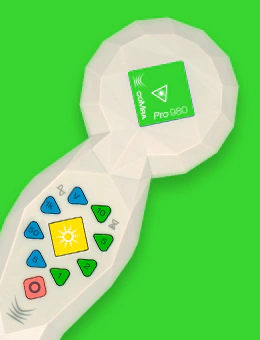
For patients managing trigeminal neuralgia (TN), the journey toward healing often involves more than just the application of technology. As Leslie shares, one patient’s remarkable recovery – culminating in her 102nd birthday celebration – highlights the profound impact of systemic support. While the Delta 980 was instrumental in her treatment, the presence of a loving, supportive family and the reduction of emotional stress played an equally vital role. Her story serves as a testament to the fact that healing is a multifaceted process, and for many, the combination of coMra therapy, emotional well-being, and a supportive environment creates a powerful path to recovery.
A Message to Caregivers
Caregiving for someone with TN is an emotionally taxing experience. It is common for caregivers to grapple with feelings of guilt, frustration, and helplessness, especially when conventional medical avenues offer little more than increased medication or invasive surgery. Leslie emphasizes that caregivers must trust their instincts. When faced with skepticism from medical professionals, it is essential to remain resilient.
For those supporting a loved one during an attack, the most effective approach is often quiet presence. Because TN can cause extreme sensitivity to touch, sound, and light, it is best to dim the lights, minimize noise, and simply offer a calm, reassuring presence without bombarding the individual with questions. Above all, never lose hope; the body possesses an inherent capacity to heal when the right conditions are met.
Addressing Prior Procedures and Complex Cases
A common question for those seeking coMra therapy is whether prior interventions – such as microvascular decompression (MVD), rhizotomy, or cyberknife procedures – preclude successful treatment.
Dr. Arzhan Surazakov and Leslie explain that while prior surgeries can complicate the clinical picture, improvement is still possible. If a procedure failed to address the root cause, or if there is residual nerve damage or foreign material (such as Teflon) present, the healing process may be slower and more nuanced. In such cases, the goal of coMra therapy is to reduce inflammation, support the immune system, and provide systemic relief. While complete restoration may take time – ranging from months to years – the therapy can significantly improve quality of life and reduce the intensity of pain.
The Importance of Systemic Treatment
When treating neuropathies, whether TN or peripheral neuropathy in the limbs, it is crucial to understand that the body often enters a "holding pattern" to survive chronic pain. This state can suppress the nervous system and limit the body’s natural adaptability.
Garrett Murrin notes that systemic treatment is essential to move the body out of this brittle state. By addressing the body as a whole – using protocols that support the endocrine and immune systems – we provide the necessary reserves for the nervous system to regenerate. This is why coMra therapy is not merely a tool for symptom relief, but a comprehensive approach to cellular regeneration.
Navigating Treatment at Home
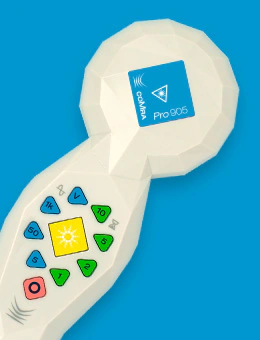
For those unable to visit a specialized clinic, the coMra Delta and coMra Palm devices offer a way to bring professional-grade care into the home. Leslie and the Radiant Life Technologies team emphasize that support is available throughout this process.
For patients who experience aggravation when applying the laser directly to the skin, a helpful strategy is to hold the device a few inches away. This reduces the intensity of the light while still allowing the body to receive the therapeutic benefits. As the nervous system becomes more resilient and the inflammation subsides, patients can often gradually move toward direct contact.
Looking Ahead: MS and Neurological Conditions
The potential for coMra therapy extends beyond TN to other conditions, including multiple sclerosis (MS) and various forms of peripheral neuropathy. Leslie recounts a case involving a patient with both TN and MS, where consistent laser therapy led to a reduction in brain lesions – a result that surprised the patient’s medical team.
Dr. Arzhan Surazakov adds that the principles of coMra therapy remain consistent across these conditions: by supporting the body’s ability to regenerate tissue and manage inflammation, we can foster significant improvements. As the team continues to gather clinical data and share success stories, the focus remains on empowering individuals to take an active role in their own healing journey.
For those seeking guidance on specific protocols or needing support with their coMra devices, please reach out to the Radiant Life Technologies team at info@comra-therapy.com.
The Regenerative Approach to Nerve Health
The fundamental principle remains consistent: by assisting the nerve in rebuilding its own structure and facilitating regeneration, we can observe a restorative process regardless of the underlying cause. While conditions like multiple sclerosis warrant a dedicated, separate webinar, the clinical observations regarding epilepsy are noteworthy. Based on current experience, coMra therapy does not provoke epilepsy. While it may be premature to claim definitive curative results for epilepsy, the therapy consistently supports the overall general condition of the individual. Further clinical insights regarding epilepsy will be explored in future sessions, as the team continues to gather data and refine these applications.
Closing Remarks and Future Directions
As this session draws to a close, the primary objective has been to capture the clinical experiences shared by our guests, ensuring this valuable information is preserved on video and in written transcripts. Recognizing the need for accessibility, particularly for the hearing-impaired community, the team is committed to providing comprehensive written documentation of these discussions.
We strongly encourage those within the trigeminal neuralgia (TM) community to share this information widely. If you or someone you know is navigating this condition, please reach out to the Radiant Life Technologies team for guidance and support.
All questions submitted during this webinar have been recorded, and the team intends to address these, along with any emerging inquiries, during the second part of this series on November 15th. For those whose questions were not addressed live, follow-up will be provided via email.
This discussion has only scratched the surface of what is possible with coMra therapy. We extend our deepest gratitude to Leslie, Donna, and Garrett for their participation and for sharing their invaluable insights. We look forward to continuing this vital conversation in our next session.


 coMra user guides


 Articles
 Testimonials
 Case studies
 Podcasts




 Customer services
 User support
 Schedule a call
 Chat with us

 My last searches
 Popular searches