

This case study follows a nine-year-old female patient presenting with strabismus, characterized by alternating eye crossing. The patient also required compensatory lenses for farsightedness and astigmatism. Her medical history included an eye muscle surgery performed before the age of two, which resulted in a persistent vertical and outward misalignment of the eyes.
Prior to seeking this intervention, the patient had undergone 60 sessions of vision therapy with another optometrist, which yielded no improvement. Consequently, a second eye muscle surgery was recommended. Dissatisfied with the lack of progress, the parents sought alternative care. Academically, the child struggled significantly; she frequently lost her place while reading or writing because her eyes failed to coordinate, rapidly alternating between the left and right eye rather than teaming together. She also experienced difficulty retaining information she had previously learned, leading to parental concerns that she might be held back in the third grade.
The initial rehabilitation program incorporated optometric syntonics, phototherapy, and extensive motor work – specifically vision-guiding action – alongside craniosacral therapy. This approach resulted in some progress: the patient’s eyes achieved horizontal alignment approximately 90% of the time. While she exhibited a small vertical deviation, as demonstrated by the Van Orden star test, she was able to read charts simultaneously with both eyes when using red and green filters. Despite this achievement, she still lacked depth perception (stereopsis) and continued to struggle academically.
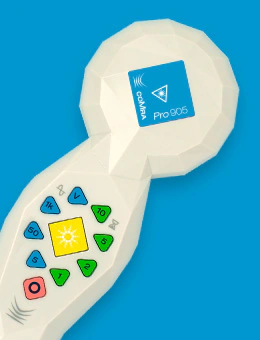
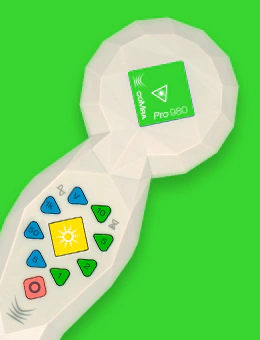
At this juncture, coMra therapy was introduced using the Delta 980 device. The treatment protocol Neurology 14 was selected and slightly modified for the patient’s needs, with in-office treatments administered once per week.
The results were immediate and remarkable. Following the first coMra therapy session, the patient’s mother reported that her daughter spoke at length about a story she had read to herself that day. This was entirely out of character for the child, prompting the mother to verify with the teacher whether the story had been read aloud in class. The teacher confirmed it had not, leading the mother to conclude that her daughter had successfully read the material independently. Three days after this first coMra therapy treatment, during a craniosacral therapy session, the child proactively requested a book to read – a behavior she had never previously exhibited, as she had historically disliked reading.
Following a second in-office coMra therapy treatment, the Van Orden star patterns were repeated. For the first time, the patterns became almost level, indicating that the vertical misalignment of the eyes was significantly correcting. While the patient had not yet achieved full stereopsis, she demonstrated a much-improved appreciation of depth during the "bubble game," which requires popping bubbles in open space using alternating index fingers.
The clinical conclusion was that coMra therapy was the primary driver for the marked improvement in vertical alignment, the newfound enjoyment of reading, and the significant increase in information retention. This is supported by the fact that prior to the introduction of coMra therapy, the patient had completed 12 craniosacral therapy sessions over 16 weeks, alongside 16 in-office vision therapy sessions and assigned home visual procedures, none of which had produced these specific academic or alignment breakthroughs.
At a one-year follow-up, the patient completed an additional sensory learning program. She has since made further gains, including the development of stereopsis, excellent eye alignment, and significant academic success.
*
This case report was provided by Dr. Van Hoy, a neuro-optometric rehabilitation specialist with over 40 years of experience. As a past president of the College of Syntonic Optometry, Dr. Van Hoy is a pioneer dedicated to serving the visual needs of patients from infancy through their senior years, consistently sharing her knowledge to ensure others may enjoy the highest quality of life.