FEATURED ARTICLE

The Problem of Pain

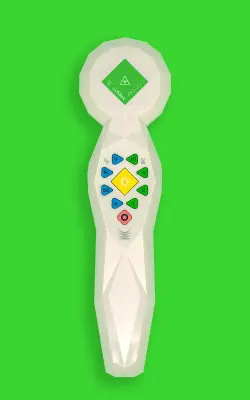
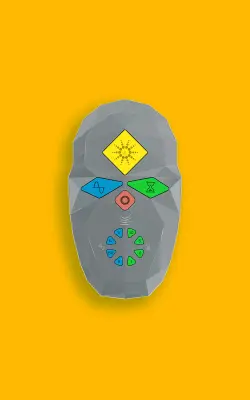
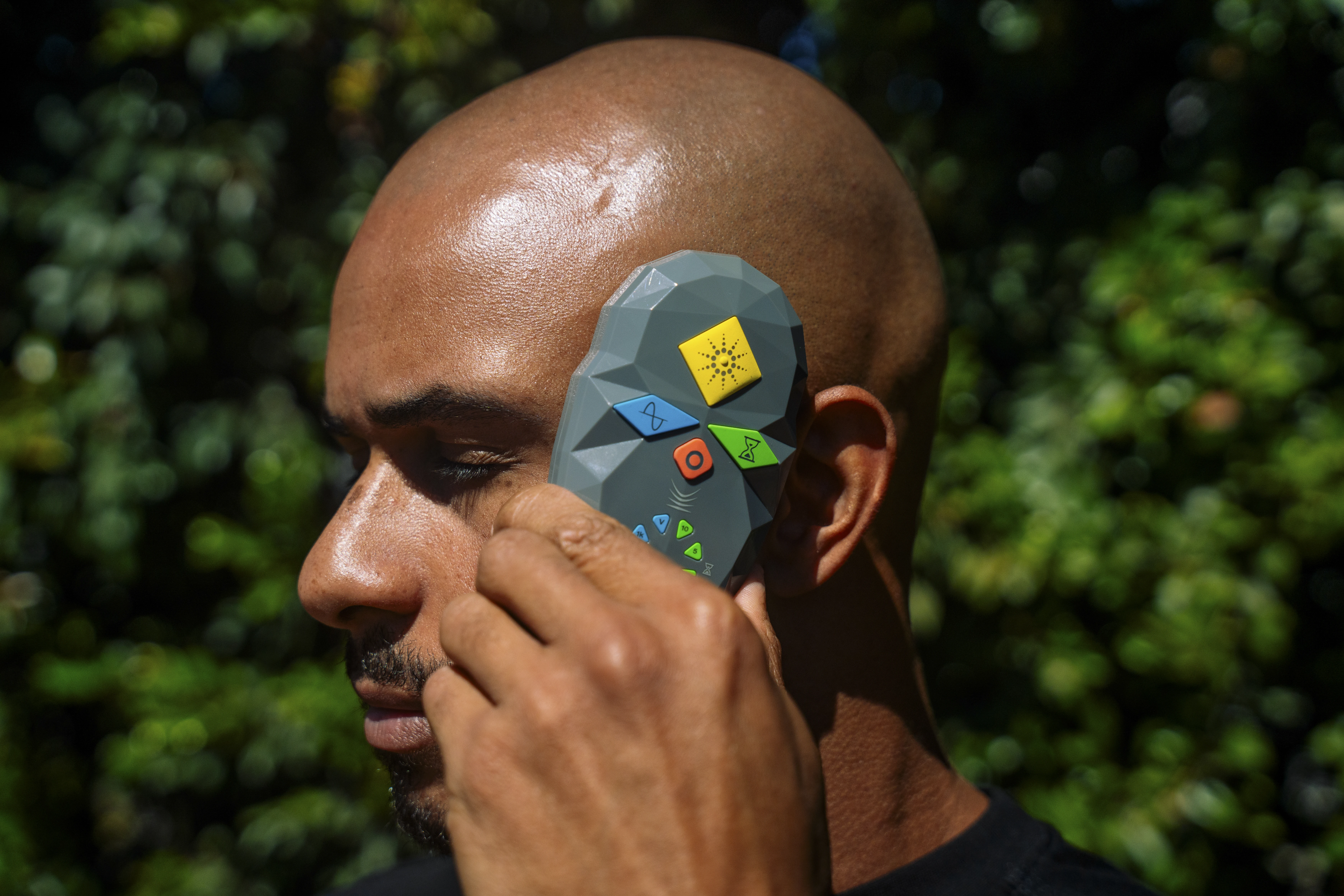
Chronic pain affects over 1.5 billion people globally, with traditional medications often causing significant side effects. coMra therapy presents a safer alternative by combining laser therapy with magnetism, ultrasound, and…

Read this article
The Problem of Pain
Browse our blog and see all articles

Customer services

Our customer services team are seasoned practitioners of coMra therapy with over a decade of experience.

If you're considering a coMra device – but have questions not covered in our extensive Resources and FAQ pages – please send us an email and we'll get back to you soonest:

info@comra-therapy.com

User support

If you already own a coMra device and need help with your device, with your treatments – or with any technical issues – please reach out to us here.

Click through on the link below, send us an email and we'll get back to you:

support@comra-therapy.com

Schedule a call

If you'd rather speak with one of our experienced customer service team members, you can schedule a call with us instead.

Please click through on the Calendly link below and one of our customer service team will get back to you:

calendly.com/comra-support-team

Chat with us

Alternatively, our customer service team are on hand to answer your queries between 9:00–5:00 EST.

Please click through on the link below, or simply click the floating Chat icon on the bottom right of the screen.

Chat with customer services now!
WARRANTY

Register your coMra device!

If you recently purchased one of our coMra devices, welcome to the family! Please fill out the registration form below to activate your warranty.

How do I find my serial number? Found on the sticker on the back of your original product box.

Case Study: Retinitis Pigmentosa Treatment with coMra Therapy and Microcurrent

Practitioner Background

  • Optometrist and Occupational Therapist
  • Specializes in visual rehabilitation (post-stroke, head trauma, low vision)
  • Works with retinitis pigmentosa, macular degeneration, diabetic retinopathy
  • Focuses on rehab and vision therapy

Patient Profile

  • 57-year-old African-American female
  • Diagnosed with retinitis pigmentosa (RP) in March 2014
  • History of arterial venous malformation (AVM) bleed
  • HIV positive and borderline Type 2 diabetic

Initial Symptoms

  • Diminishing peripheral and inferior vision
  • Difficulty with night vision and light adaptation
  • Frequent tripping and falling

Initial Assessments

  • Visual acuity: 20/30 (-/+)
  • Significantly depressed contrast sensitivity
  • Moderately impaired color vision
  • Impaired depth perception (200 seconds of arc)
  • Severely impaired Goldman visual field
  • OCT showed severe loss in retinal layers
  • ERG showed severely reduced retinal activity

Diagnosis

  • Severe, diffuse outer retinal dysfunction affecting rods and cones
  • Atypical scalloped-gyrate atrophy
  • Possible choroideremia
  • Atypical RP presentation (late onset, no family history)

Treatment Protocol

Phase 1: Microcurrent Therapy

  • Frequency-specific microcurrent (FSM)
  • 5 treatments, once a week, 37 minutes each
  • Electrode placement: transpalpebral and behind neck

Phase 2: Combined coMra and Microcurrent Therapy

  • 14 sessions combining coMra and FSM
  • coMra protocol evolution:
  1. Universal 1 (1 minute lateral aspect)
  2. Added optic neuritis protocol (scanning above/below orbital ridge)
  3. Final protocol: 1 min Universal 1, 2 min optic nerve protocol, 1 min lateral, 1 min superior

Treatment Outcomes

Visual Field Improvements

  • Significant expansion of visual fields in both eyes
  • Documented through stereocampimeter and Goldman visual field tests

Other Improvements

  • Visual acuity improved to 20/20 in each eye
  • Normalized contrast sensitivity
  • Improved depth perception (63 seconds of arc)
  • Improved color vision
  • ERG showed some responses now present (30 Hz flicker)

Subjective Improvements

  • Better emotional state
  • Increased peripheral vision
  • Improved depth perception
  • Reduced tripping and falling
  • Increased confidence in mobility

Long-term Management

  • Initially reduced to bi-weekly treatments, but saw decline
  • Resumed twice-weekly treatments
  • Some recovery, but not to initial peak gains
  • Ongoing treatment to maintain vision as long as possible

Significance

  • Unusual and extraordinary recovery for RP
  • Typically, RP leads to progressive vision loss without improvement
  • External validation from UCSF ophthalmologist