Q&A Session: Navigating coMra Therapy for Chronic and Acute Conditions
In this live Q&A session, Garrett Murrin and Arzhan Surazakov, Director of Research and Development at Radiant Life Technologies, address common questions regarding the practical application of coMra therapy. The discussion emphasizes that coMra therapy is designed to support the body’s innate healing capacity, making it a versatile tool for both acute injuries and long-term, chronic health management.
Integrating coMra Therapy into Your Lifestyle
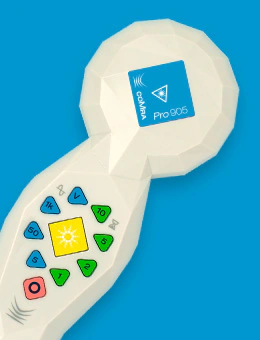
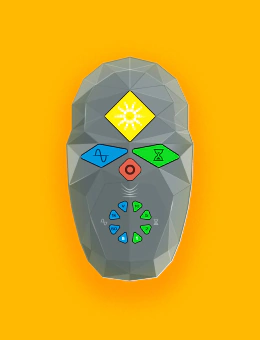
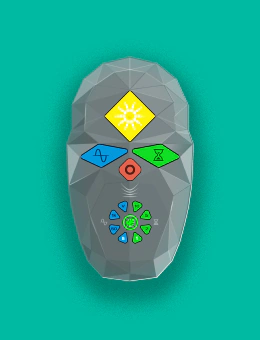
A primary concern for many users is the rigidity of treatment protocols. Garrett clarifies that users should not feel constrained by the order of points in a protocol. "As long as you use it, it will work its way into your life," he explains. If breaking a protocol into smaller segments – such as performing back points at one time and front points at another – makes the process more manageable, it is perfectly acceptable to do so. The therapeutic effect of the coMra Palm or Delta 905 continues even after the device is moved or turned off.
For those finding it difficult to treat hard-to-reach areas like the back, Garrett suggests simple, innovative solutions: placing the coMra Palm on a chair or pillow and leaning into it, or lying down on the device while resting on a sofa. The goal is to remove stress from the healing process, not add to it.
Understanding Protocol Logic and Systemic Support
Arzhan Surazakov reminds users that coMra therapy does not aim to "kill" a disease or destroy a parasite, but rather to provide the systemic support necessary for the body to repair itself. He outlines three key principles for choosing a protocol: 1. Local Treatment: Addressing the specific site of injury or pain. 2. Connected Organs: Treating organs associated with the symptomatic area. 3. Systemic Support: Using universal protocols to support the entire body.
When a specific condition is not listed in the user guide, users are encouraged to act as their own "health detectives." By noting the location, characteristics, and duration of the problem, one can select the most relevant protocol. For example, in cases of tinnitus, the choice of protocol (such as Otorhinolaryngology 3, 4, 5, or 6) depends on the underlying cause – whether it is a local infection, a mechanical injury, or a neurological condition requiring additional support like Neurology 1.
Addressing Chronic Conditions and Regeneration
Regarding degenerative conditions, such as arthritis or degenerative disc disease, Arzhan highlights that while symptomatic relief – such as reduced pain and improved range of motion – often occurs within weeks, tissue regeneration is a longer process. He points to clinical evidence showing that coMra therapy can accelerate the density recovery of spinal discs, often two to three times faster than laser therapy alone.
Garrett reinforces the importance of consistency. "The main difference they found is people would give up," he notes. "Only the people who stayed with it were the ones who had the results." For chronic, degenerative, or autoimmune conditions, this may mean committing to several courses of treatment over many months or even years.
Specialized Protocols: From Eyes to Post-Vaccine Support
The session covered several specific health concerns: * Eye Conditions: Protocols like Neurology 14 address glaucoma and other retinal issues. Arzhan advises that if high blood pressure or emotional stress is a contributing factor, users should integrate Cardiology 3 or Universal 7 to support the entire system. * Pain in Hands and Feet: If pain is localized, Traumatology 8 is appropriate. However, if the pain is migrating, it may indicate a pinched nerve, requiring a shift to Neurology 2 to treat the nerve pathway from the spine to the extremity. * Post-Vaccine Injury: Arzhan emphasizes that for systemic inflammation following vaccination, Immunology 1 is the most comprehensive protocol. He and Garrett both stress the importance of a "conservative start" when dealing with inflammatory states to avoid exacerbating symptoms, gradually increasing treatment intensity as the body stabilizes. * Cholesterol: Consistent results have been observed in normalizing cholesterol levels by focusing on the liver using Gastrology 1, often requiring about one month for initial improvements and up to six months for more complex cases involving fatty liver.
Final Guidance on Usage
Arzhan and Garrett conclude by reiterating that the user guide serves as a "middle of the road" starting point. Users should listen to their bodies, remain consistent, and remember that coMra therapy is a gentle, non-invasive support system. For those managing severe or acute conditions, the team recommends starting conservatively and utilizing resources like the coMra wellness test to gauge progress.
Case Study: Addressing Chronic Thyroiditis and Systemic Inflammation
Arzhan Surazakov shared a detailed case study of a patient presenting with a complex history of chronic illness, including erysipelas (a skin infection), toxoplasmosis, post-COVID-19 recovery, and a history of oncological disease three years prior. Her thyroid was severely overworked due to a chronic inflammatory load on her entire system.
The treatment approach focused on holistic support rather than just the thyroid itself. Initially, the patient used the coMra Delta 905 while not on any hormone replacement therapy. She began with Immunology 1 – a comprehensive protocol for the entire body – alongside local treatments for skin inflammation. This intensive phase lasted three weeks, followed by two weeks of rest. Subsequently, she transitioned to Immunology 4, which focuses more directly on the thyroid, combined with continued local skin treatments.
Supported by micronutrients, a balanced diet, and emotional stress management, the patient showed significant progress. After one year, her erysipelas had nearly healed, her body temperature stabilized, and chronic inflammation was brought under control. In the second year, the protocol was relaxed to Immunology 1 and 4 once every three months, with the addition of protocols for the liver and digestive tract. After two years, her blood parameters returned to the normal range.
Arzhan emphasized that for patients with long-standing conditions, consistency is vital. Healing is not an overnight process but a lifestyle shift. He reminded users that the coMra user guide provides a "middle of the road" starting point, but one must learn to listen to the body and adjust the frequency and duration of treatments accordingly.
Strategic Approach to Oncological Support
Addressing questions regarding cancer, Arzhan clarified that coMra therapy does not destroy tumors or kill cancerous cells directly. Instead, it supports the body’s natural anti-tumor immunity, allowing the immune system to work at full capacity.
The strategy for supporting cancer patients involves three key phases: 1. Stabilization: The priority is to support key organs and stabilize the patient, who is often exhausted. This involves Universal 3 and Universal 5 protocols. For those who have undergone surgery, chemotherapy, or radiation, coMra is used locally to support tissue repair and organ function (liver and kidneys). 2. Rebuilding Resources: As the condition stabilizes, patients often report better sleep, appetite, and reduced pain. Even the coMra Palm is highly effective during this stage in providing the body with the rest it needs to recover. 3. Targeted Support: Once systemic resources are built, the body is better equipped to engage its natural anti-tumor defenses. At this stage, protocols like Oncology 1, 2, or 3 are introduced, treating the tumor directly while maintaining systemic support.
Addressing Specific Treatment Queries
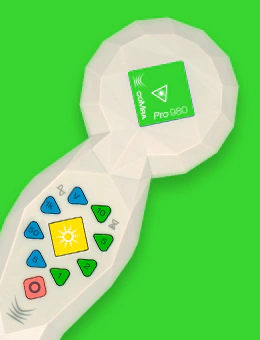
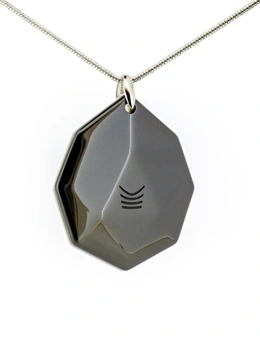
Garrett Murrin provided guidance on common practical questions: * Treating Localized Masses: If a mass is close to the skin, use the coMra Delta 905; if deeper, utilize the 980 nm and 905 nm wavelengths. It is not necessary to move the device over the mass; holding it directly on the area is sufficient. * Treatment Frequency: If a user wishes to increase the frequency of treatments (e.g., for dry eyes), they should decrease the duration of each session to avoid "overfilling" the body’s capacity to respond. * coMra Wave Pendant: While not everyone is sensitive to the subtle harmonic effects, many users report improved relaxation and sleep. The efficacy of these devices is supported by research into their impact on water, which constitutes the majority of the human body.
Long-Haul COVID and Chronic Exhaustion
During the Q&A, a user shared their struggle with long-haul COVID symptoms, including exhaustion, brain fog, and chemical sensitivity. Arzhan advised that for chronic conditions lasting longer than three months, the coMra Delta 905 is often more effective than the coMra Palm due to its deeper penetration and power.
He recommended that patients in a state of severe exhaustion should consider longer, uninterrupted treatment courses (e.g., 3–4 weeks without breaks) until a significant "bump" in improvement is felt. Only then should the patient begin to introduce rest periods, adjusting the schedule based on how the body feels rather than strictly adhering to the book.
Organizational Updates
The team addressed inquiries regarding the company’s operations: * Website Chat: Users are encouraged to leave their email addresses in the chat form if a response is not immediate, as the team monitors these queries. * Future Developments: The team is working on technological updates for the website and the coMra Palm line, with more information expected later in the year. * Perspective on Global Events: Regarding the conflict in Europe, the co-CEOs, Elizabeth Schnugh and Onnik Merdinyan, emphasized that Radiant Life Technologies remains a neutral, international team. They encouraged those interested in personal perspectives to reach out to individual team members directly, while noting that the company’s primary focus remains on the non-polarized, universal path of healing.


 coMra user guides

 Articles
 Testimonials
 Case studies
 Podcasts



 Customer services
 User support
 Schedule a call
 Chat with us

 My last searches
 Popular searches