FEATURED ARTICLE

The Problem of Pain

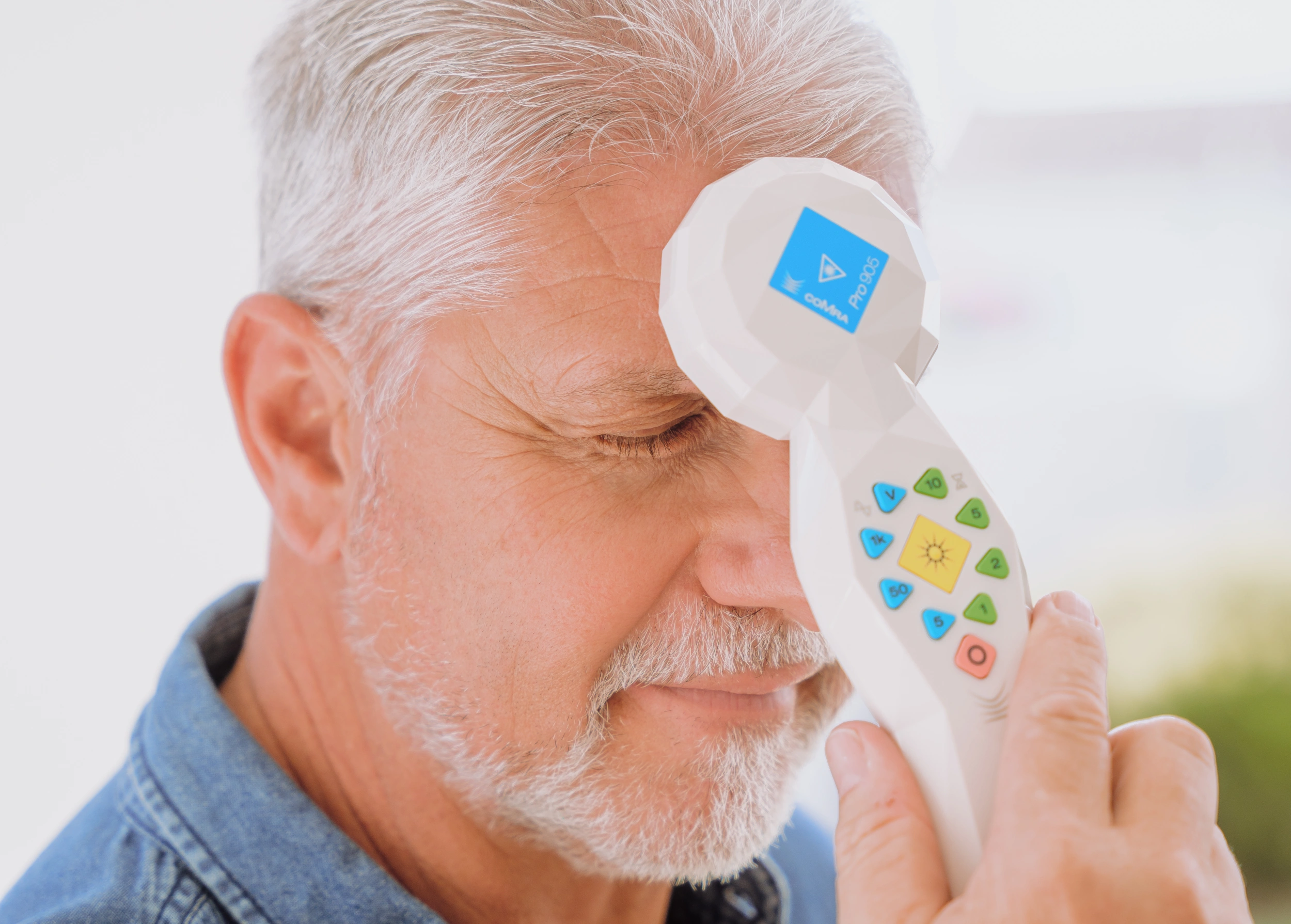
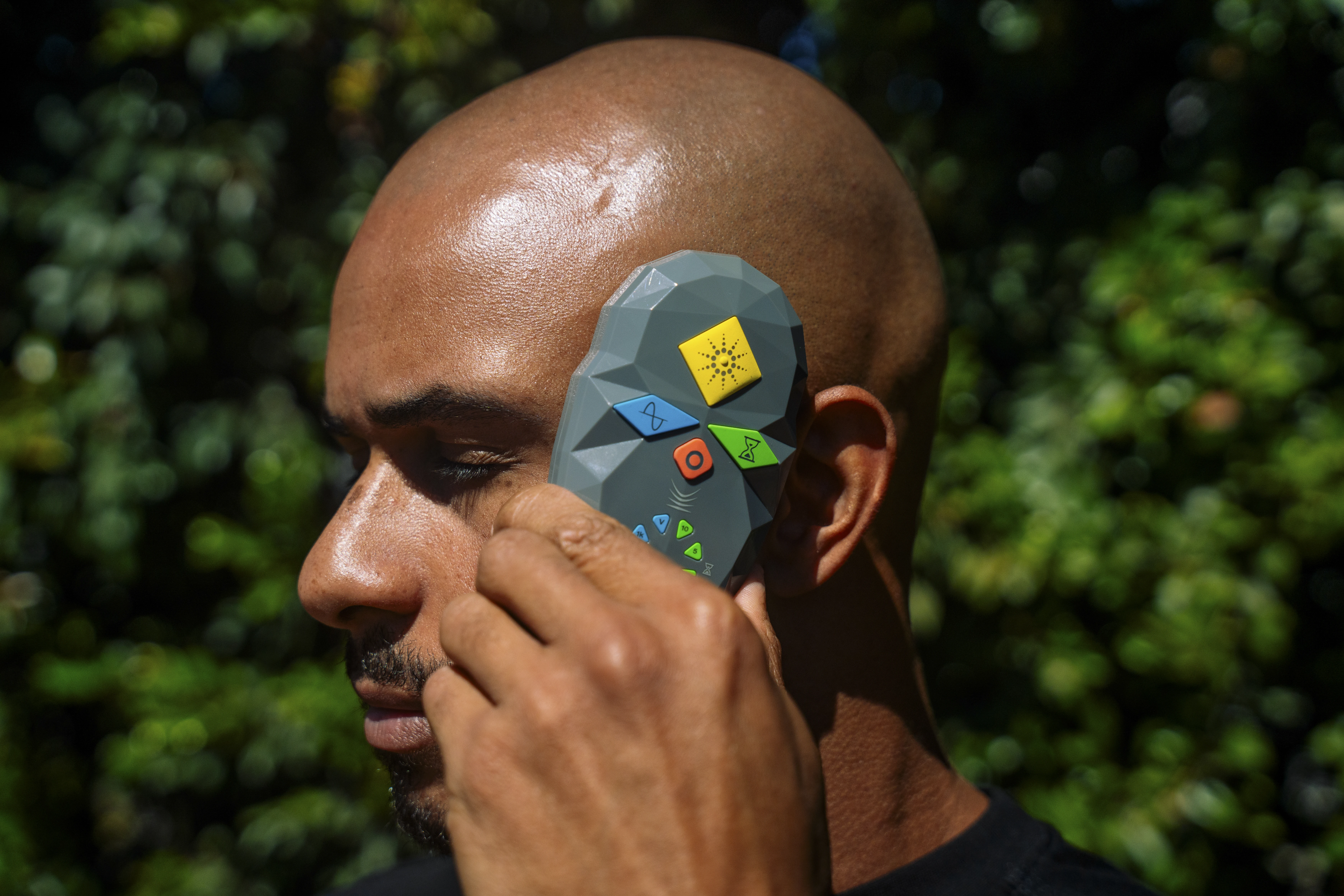
Chronic pain affects over 1.5 billion people globally, with traditional medications often causing significant side effects. coMra therapy presents a safer alternative by combining laser therapy with magnetism, ultrasound, and…

Read this article
The Problem of Pain
Browse our blog and see all articles

Customer services

Our customer services team are seasoned practitioners of coMra therapy with over a decade of experience.

If you're considering a coMra device – but have questions not covered in our extensive Resources and FAQ pages – please send us an email and we'll get back to you soonest:

info@comra-therapy.com

User support

If you already own a coMra device and need help with your device, with your treatments – or with any technical issues – please reach out to us here.

Click through on the link below, send us an email and we'll get back to you:

support@comra-therapy.com

Schedule a call

If you'd rather speak with one of our experienced customer service team members, you can schedule a call with us instead.

Please click through on the Calendly link below and one of our customer service team will get back to you:

calendly.com/comra-support-team

Chat with us

Alternatively, our customer service team are on hand to answer your queries between 9:00–5:00 EST.

Please click through on the link below, or simply click the floating Chat icon on the bottom right of the screen.

Chat with customer services now!
WARRANTY

Register your coMra device!

If you recently purchased one of our coMra devices, welcome to the family! Please fill out the registration form below to activate your warranty.

How do I find my serial number? Found on the sticker on the back of your original product box.

Psychological Self-Healing: A Journey to Joy

Introduction

Panagiota Kontoleon, a certified coMra practitioner with a master’s degree in counseling psychology and psychotherapy, presents a comprehensive overview of psychological self-healing. The webinar explores the concept of the psyche, its development, and how to embark on a journey of healing and self-discovery.

Key Concepts

Etymology and Definitions

  1. Psychology: Derived from Greek, meaning “study of the soul”
  2. Psyche: Used interchangeably with “soul”
  3. Self:
  • True Self: The liberated, divine soul (the “I”)
  • Little Self: The ego, superficial self (the “me”)
  1. Healing: From Old English, meaning “to make whole”
  2. Awareness: From Latin, meaning “to be fearful” or “wide awake”
  3. Respect: From Latin, meaning “look again”

Plato’s Phaedrus Myth

The presenter uses Plato’s allegory of the chariot to explain the nature of the human soul:

  • Charioteer: Represents the mental, logical part of the soul
  • White Horse: Symbolizes the spirited, emotional part
  • Black Horse: Represents the appetitive part, connected to bodily desires

Psychological Development

Erikson’s Theory of Psychosocial Development

The presenter highlights the first three stages (0-6 years) where internal conflicts shape personality:

  1. Trust vs. Mistrust (0-1 year)
  2. Autonomy vs. Shame/Doubt (1-3 years)
  3. Initiative vs. Guilt (3-6 years)

Attachment Theory

Based on John Bowlby’s work, the theory explains how early relationships with caregivers impact adult behavior:

  • Secure Attachment: Balanced between autonomy and trust
  • Insecure Attachment: Anxious-resistant or Avoidant styles

Social Conditioning and Self-Image Formation

The webinar explains how social conditioning leads to the formation of a self-image or “fake identity”:

  1. Early experiences shape beliefs about oneself
  2. These beliefs become anchored during puberty
  3. Cognitive distortions develop, reinforcing negative thinking

The Thinking Error Cycle

A destructive cycle is presented, showing how thoughts, emotions, and behaviors reinforce each other:

  1. Negative thoughts about oneself
  2. Negative emotions
  3. Physical symptoms
  4. Dysfunctional behaviors
  5. Reinforced negative thoughts

Journey of Healing

The presenter shares his personal journey of self-discovery and healing, emphasizing:

  1. Awareness of internal conflicts
  2. Respecting and looking beyond face value of experiences
  3. Shedding layers of social conditioning
  4. Finding one’s true calling

Tools for Psychological Self-Healing

  1. Mindfulness breathing
  2. Yoga
  3. Body scan meditation
  4. Journaling
  5. Mindful reflection
  6. Visualization
  7. Gratitude jar
  8. Asking for support

Conclusion

The webinar emphasizes that psychological self-healing is a lifelong journey. By harmonizing thoughts, emotions, and behaviors, one can experience joy and live a more fulfilling life.


The beginning of the webinar:

Hello everyone, welcome. It’s good to have you here. I see more people are coming in. However, we are at the top of the hour and I would like to slowly start with the presentation. The presentation will be for one hour and then we’ll have the questions and answers session in the end.

For those of you who do not know me, my name is Panagiota Kontoleon and I am originally from Athens, Greece. I am part of the Radiant Life Technologies team, the coMra team, for a decade now. And my calling is to help people help themselves.

I am a certified coMra practitioner and hold a master’s degree in the field of radiology. I have a master’s degree in counseling psychology and psychotherapy. My training is in integrative psychology, which uses a holistic approach to treatment. Integrative psychotherapists use multiple treatment approaches because not two people are the same. Many people will benefit from a combination of treatment styles. And unlike the traditional mental health practices, integrative psychology utilizes different schools of psychology. As we view the individual as whole, so we work with them in a holistic approach.