FEATURED ARTICLE

The Problem of Pain

Chronic pain affects over 1.5 billion people globally, with traditional medications often causing significant side effects. coMra therapy presents a safer alternative by combining laser therapy with magnetism, ultrasound, and…

Read this article
The Problem of Pain
Browse our blog and see all articles

Customer services

Our customer services team are seasoned practitioners of coMra therapy with over a decade of experience.

If you're considering a coMra device – but have questions not covered in our extensive Resources and FAQ pages – please send us an email and we'll get back to you soonest:

info@comra-therapy.com

User support

If you already own a coMra device and need help with your device, with your treatments – or with any technical issues – please reach out to us here.

Click through on the link below, send us an email and we'll get back to you:

support@comra-therapy.com

Schedule a call

If you'd rather speak with one of our experienced customer service team members, you can schedule a call with us instead.

Please click through on the Calendly link below and one of our customer service team will get back to you:

calendly.com/comra-support-team

Chat with us

Alternatively, our customer service team are on hand to answer your queries between 9:00–5:00 EST.

Please click through on the link below, or simply click the floating Chat icon on the bottom right of the screen.

Chat with customer services now!
CONTACT US

Get in touch with us

Have a question or need help? Send us a message and we'll get back to you as soon as possible.

WARRANTY

Register your coMra device!

If you recently purchased one of our coMra devices, welcome to the family! Please fill out the registration form below to activate your warranty.

How do I find my serial number? Found on the sticker on the back of your original product box.

Case Study: Addressing Post-Surgical Bladder and Urinary Tract Complications

This case study details the successful application of coMra therapy in treating a 72-year-old gentleman suffering from severe complications following a prostate gland removal surgery performed in January 2016. When he first sought assistance in May, he was experiencing chronic urinary tract infections (UTIs), significant pelvic pain, and urinary incontinence.

Clinical Presentation and Challenges

At the time of the initial consultation, the patient was physically exhausted, depressed, and hopeless, having been told by his medical team that his condition was likely permanent. His symptoms were debilitating: * Chronic UTIs: Following his surgery, he suffered from recurring infections that required constant antibiotic intervention. * Urinary Obstruction: He experienced periods of total inability to urinate, leading to emergency room visits where he required catheterization. Medical professionals suggested he suffered from a urethral stricture, proposing a permanent catheter or repeated, painful dilation procedures. * Pelvic Pain: He reported severe pelvic pain, rating it an 8 or 9 on a 10-point scale. * Incontinence and Sleep Disturbance: He was forced to wear pads due to incontinence and was waking up every 45 minutes throughout the night to attempt to urinate, resulting in profound sleep deprivation.

The patient’s anxiety was compounded by his wife’s distress, and the couple faced significant financial constraints, living on a pension in Greece. Despite seeking private urological care, the treatments provided – including dilation – offered no lasting relief and were described by the practitioner as inappropriate for the underlying inflammation.

The coMra Therapy Protocol

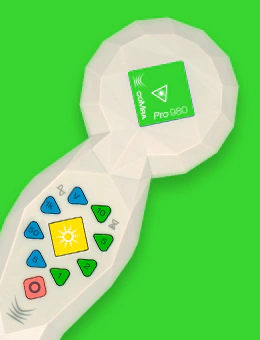
The practitioner followed the established coMra protocols to address the systemic and localized issues: * Urology 3: Applied for bladder inflammation. * Urology 5: Applied for urinary incontinence. * Systemic Support: The patient utilized a Delta 980 laser device at home to ensure consistent daily treatment.

The practitioner also provided dietary guidance, recommending the reduction of acidic, spicy, and potassium-rich foods that contribute to bladder inflammation.

Progress and Results

The treatment was structured in 30-day cycles with necessary rest periods to allow the body to integrate the healing process.

After the First 30 Days: * Infection and Obstruction: The urinary tract infections ceased entirely, and the difficulty in urinating was resolved. * Pain Reduction: Pelvic pain dropped from an 8/9 to a 5. * Quality of Life: The patient stopped using pads, regained optimism, and reported feeling stronger and more confident. His nighttime bathroom trips decreased by approximately 20%.

After Three Months of Treatment: * Pain Management: Pelvic pain decreased further to a level of 1 or 2. * Restorative Sleep: Nighttime bathroom trips decreased by 60%, allowing for significantly better sleep quality and rest. * Energy Levels: The patient reported that his energy had returned to 80% of his baseline. * Incontinence: Incontinence was largely resolved, occurring only occasionally during periods of extreme fatigue or high physical activity.

Conclusion

The success of this case highlights the importance of patient cooperation and the power of self-efficacy. By taking control of his own healing process through consistent coMra therapy and dietary adjustments, the patient was able to reverse a condition that had been deemed "incurable" by conventional standards. This case serves as a powerful testament to the body’s innate capacity to heal when provided with the right support, reinforcing the core philosophy that with the right approach, many seemingly insoluble health challenges can be overcome.