
FEATURED ARTICLE

The Problem of Pain

Chronic pain affects over 1.5 billion people globally, with traditional medications often causing significant side effects. coMra therapy presents a safer alternative by combining laser therapy with magnetism, ultrasound, and…

Read this article
The Problem of Pain
Browse our blog and see all articles

Customer services

Our customer services team are seasoned practitioners of coMra therapy with over a decade of experience.

If you're considering a coMra device – but have questions not covered in our extensive Resources and FAQ pages – please send us an email and we'll get back to you soonest:

info@comra-therapy.com

User support

If you already own a coMra device and need help with your device, with your treatments – or with any technical issues – please reach out to us here.

Click through on the link below, send us an email and we'll get back to you:

support@comra-therapy.com

Schedule a call

If you'd rather speak with one of our experienced customer service team members, you can schedule a call with us instead.

Please click through on the Calendly link below and one of our customer service team will get back to you:

calendly.com/comra-support-team

Chat with us

Alternatively, our customer service team are on hand to answer your queries between 9:00–5:00 EST.

Please click through on the link below, or simply click the floating Chat icon on the bottom right of the screen.

Chat with customer services now!
CONTACT US

Get in touch with us

Have a question or need help? Send us a message and we'll get back to you as soon as possible.

WARRANTY

Register your coMra device!

If you recently purchased one of our coMra devices, welcome to the family! Please fill out the registration form below to activate your warranty.

How do I find my serial number? Found on the sticker on the back of your original product box.

Knee Osteoarthritis: A 12-Case Series Analysis

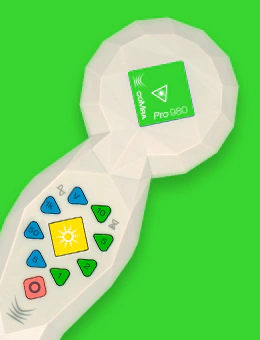
In 2014, a research team – comprising Arzhan Surazakov, Garry Lineham, and Milen Ivanov from Radiant Life Technologies – conducted a comprehensive case series to evaluate the efficacy of coMra therapy in treating knee osteoarthritis. This study involved participants from four different countries, utilizing the coMra Delta 980 laser to assess potential benefits for individuals suffering from this condition.

Study Demographics and Methodology

The study cohort consisted of 12 participants: seven males and five females, ranging in age from 45 to 80 years, with an average age of 60. The duration of their osteoarthritis varied significantly, ranging from recent diagnoses of two to three years to chronic conditions spanning over 15 years.

The severity of the participants' conditions was diverse. Some had been previously recommended for knee replacement surgery or had undergone prior procedures to repair cartilage. One participant presented with a Grade 4 complete loss of cartilage, while others exhibited milder symptoms. To ensure the focus remained on the efficacy of the coMra Delta 980, the researchers excluded individuals with rheumatoid arthritis, congenital deformities (such as Perthes disease), existing knee replacements, severe heart failure, or neurological diseases.

Each participant performed daily treatments at home for three months using the coMra Delta 980 laser. The protocol followed was Traumatology 10 in conjunction with Universal 3.

Assessment Metrics

To monitor the progression of healing, the team utilized several self-reported outcome measures: * Overall Assessment: A subjective report on the healing process. * Daily Pain Logs: A record of maximum daily pain levels. * KOOS (Knee Injury and Osteoarthritis Outcome Score): A standardized questionnaire assessing five key areas: symptoms, pain, daily functioning, sports/recreation, and overall quality of life.

Clinical Outcomes

After three months of consistent coMra therapy, the results were highly encouraging. When asked to rate their overall improvement, one participant reported no change, one reported slight improvement, seven reported "much improvement," and three reported "substantial improvement." No participants reported a full recovery, which is consistent with the degenerative nature of the condition.

Data analysis revealed significant improvements in pain management. Six participants experienced strong, statistically significant reductions in pain. While one participant reported a perceived worsening of the condition, a closer review of their data showed improvement across all other KOOS parameters, including quality of life.

Regarding quality of life, six participants showed clear and significant improvement. One notable case involved an 80-year-old participant with Grade 4 osteoarthritis (complete cartilage loss) who reported no change, highlighting the challenges of treating advanced-stage degradation.

Daily Progression and Observations

The study tracked the daily pain levels of participants to observe the healing trajectory. In one representative case, the participant experienced immediate and rapid relief upon beginning coMra therapy. While daily pain levels fluctuated throughout the three-month period, the overall trend showed a consistent downward trajectory in pain intensity.

Conclusions and Future Directions

The analysis of this 12-case series demonstrates that the coMra Delta 980 laser provides significant benefits for those suffering from knee osteoarthritis. The research team noted that there is room for further optimization, such as increasing the frequency of treatments to twice daily or incorporating additional protocols to support motion.

The study also underscored the importance of a holistic approach. It was observed that: 1. Advanced Stages: The coMra Delta 980 is particularly effective for more severe or advanced stages of the disease. 2. Systemic Support: When patients present with comorbid conditions, a more comprehensive, systemic approach to coMra therapy is required. 3. Holistic Integration: Long-term success is best achieved by combining coMra therapy with physical exercise, proper nutrition, and addressing the emotional aspects – the "true quality of disease" – associated with chronic health conditions.