Sports, Fitness, Training, and coMra Therapy: A Holistic Approach
Introduction
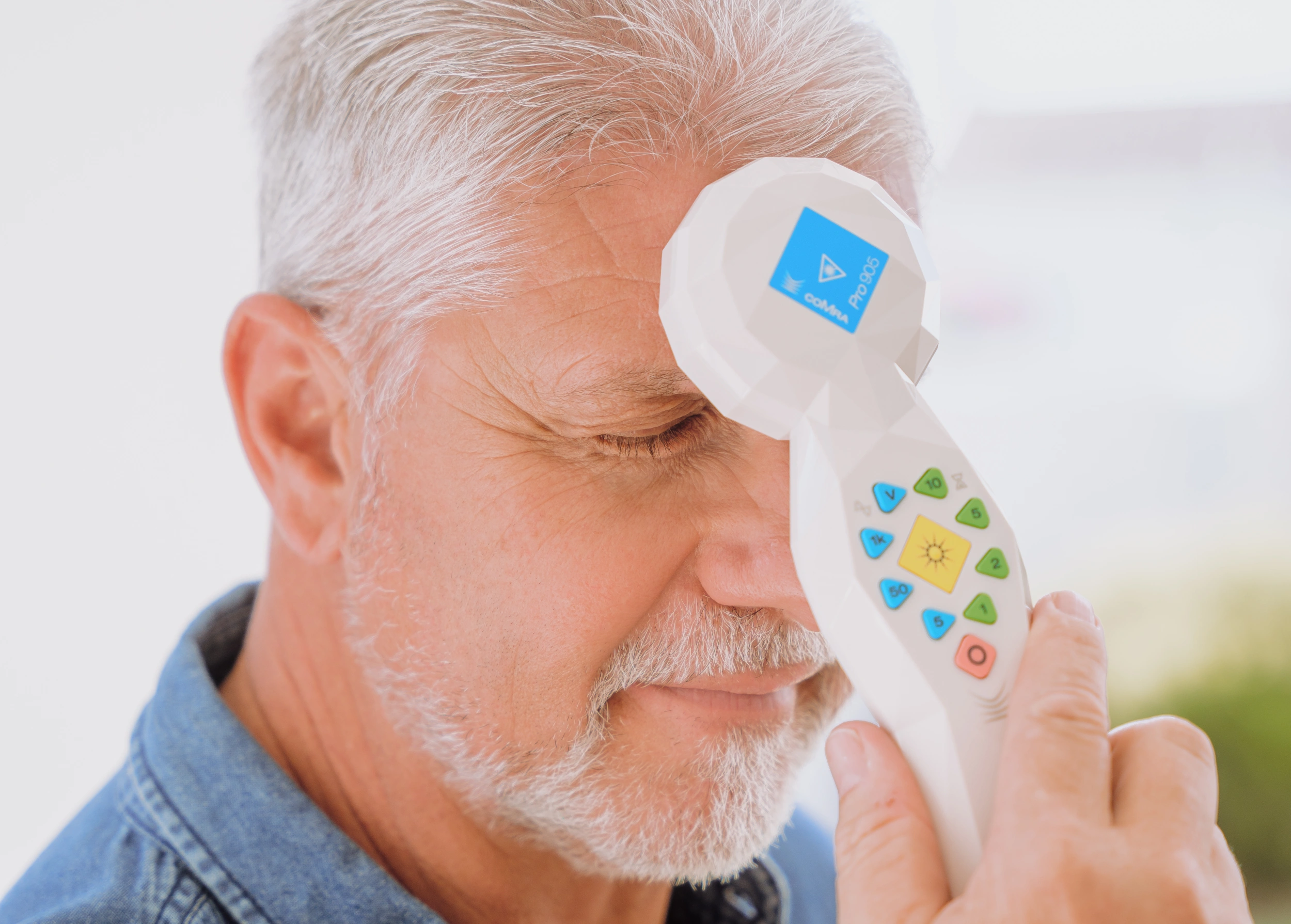
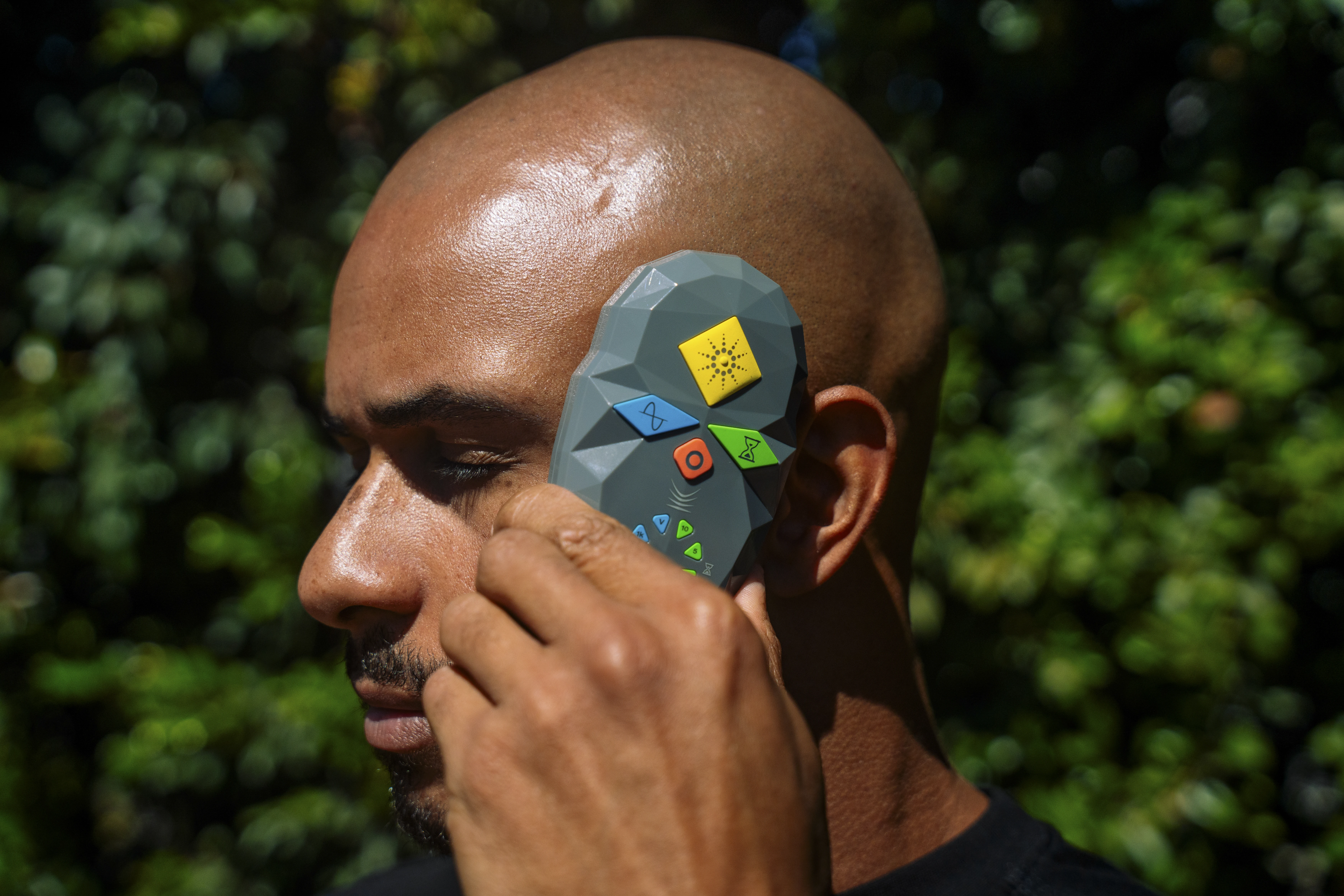
Alexander Hevia, a long-time coMra therapy practitioner and former high-level athlete, presents his experiences and insights on integrating coMra therapy into sports and fitness routines.
Alexander’s Background
- Started in various sports from a young age: figure skating, swimming, baseball, football, soccer, and track and field
- Nationally ranked in 400-meter track events as a teenager
- Explored Tai Chi in his 20s, seeking a more sustainable approach to athletics
- Encountered coMra therapy in his late 20s/early 30s
Key Concepts
Sustainable Fitness
- Emphasis on maintaining fitness and health throughout life, not just during “glory years”
- Importance of balancing high-level performance with long-term health
Body Adaptation and Recovery
- Explanation of how the body gets stronger through stimulus, recovery, and overcompensation
- coMra therapy’s role in shortening recovery time and enhancing overcompensation
Functional Reserve
- Concept of energy availability for work and performance
- How coMra therapy can increase functional reserve, leading to better form and reduced injury risk
Athlete Mindset
- Discussion of the “no pain, no gain” mentality and its pitfalls
- Importance of listening to one’s body and making adjustments to prevent injury
Balancing Health and Fitness
- The need to sometimes sacrifice short-term health for peak performance
- How coMra therapy can help maintain this balance and aid in faster recovery
coMra Therapy Protocols for Sports and Fitness
Preparation Treatment
- Used before training sessions or competitions
- Helps increase energy levels and improves quality of performance
Recovery Treatment
- Applied after training sessions or between multiple daily sessions
- Aids in faster recovery and prepares the body for subsequent efforts
Heavy Stress and Burnout Treatment
- Addresses mental and physical stress from intense training
- Helpful for reducing cortisol levels and improving sleep quality before competitions
Uplift Treatment
- Short, direct treatment for quick energy boost
- Particularly effective when feeling physically or mentally drained
Adaptive Response to Body Treatment
- Aids in recovery from micro-tears in muscles
- Beneficial for both regular gym-goers and professional athletes
Practical Applications
For Professional Athletes
- Using coMra to push performance limits while minimizing health risks
- Integrating treatments into training cycles and competition preparation
For Amateur Athletes and Fitness Enthusiasts
- Enhancing recovery and reducing soreness
- Improving overall health alongside fitness goals
For Elderly Population
- Supporting the maintenance of fitness and health in later years
- Combating the misconception that physical decline is inevitable with age
Key Takeaways
- Individualized approach: Everyone’s body responds differently, requiring personalized use of coMra therapy
- Listening to your body: Importance of recognizing and respecting body signals
- Sustainable fitness: Aim for lifelong health and fitness, not just short-term gains
- Balanced approach: Integrate coMra therapy with proper training techniques and recovery practices
- Continual learning: Use coMra therapy as a tool to better understand and work with your body
Conclusion
Alexander emphasizes the potential of coMra therapy to revolutionize sports and fitness practices, allowing for higher performance levels while maintaining long-term health. He encourages users to approach their fitness journey with awareness, patience, and a commitment to sustainability.