FEATURED ARTICLE

The Problem of Pain

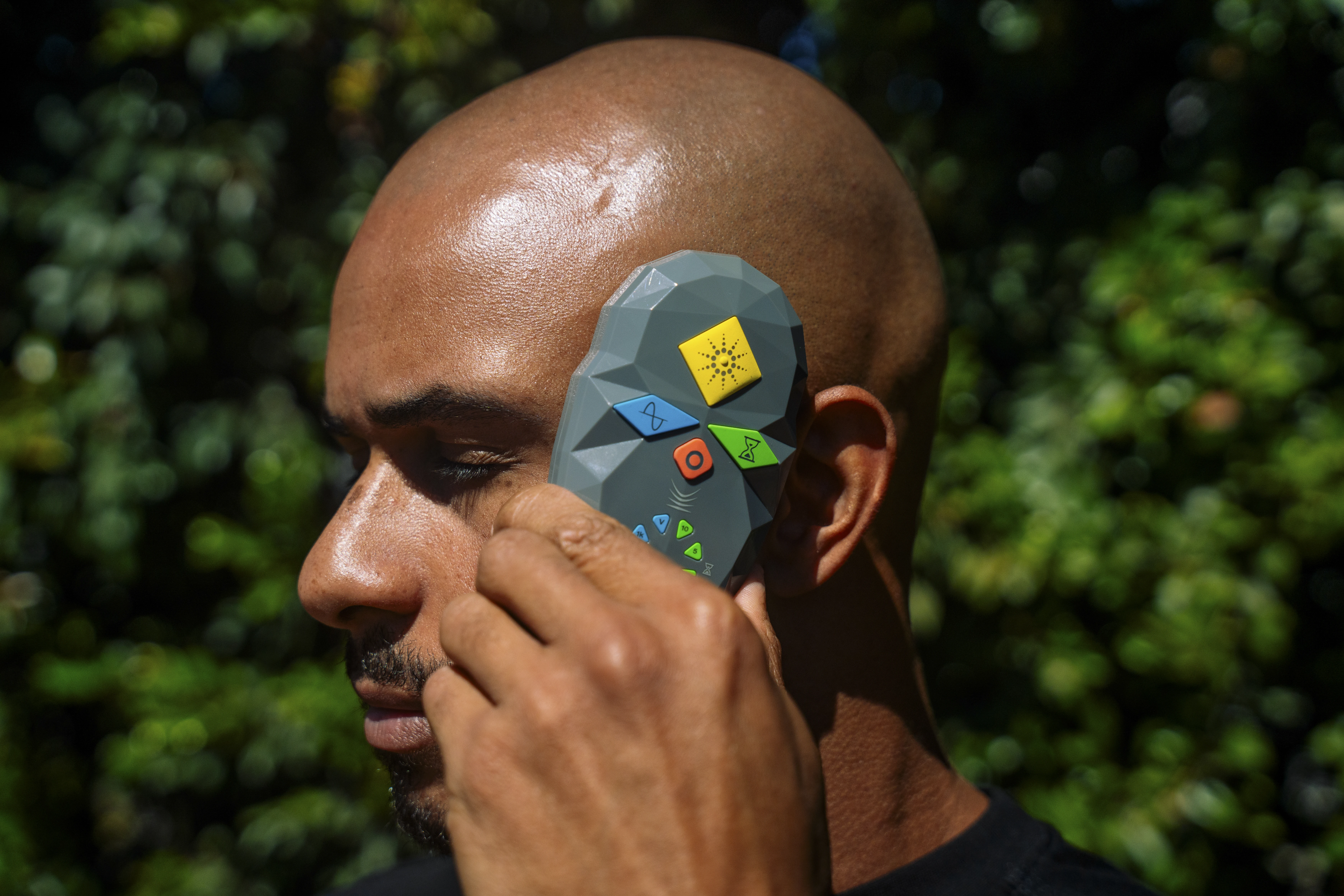
Chronic pain affects over 1.5 billion people globally, with traditional medications often causing significant side effects. coMra therapy presents a safer alternative by combining laser therapy with magnetism, ultrasound, and…

Read this article
The Problem of Pain
Browse our blog and see all articles

Customer services

Our customer services team are seasoned practitioners of coMra therapy with over a decade of experience.

If you're considering a coMra device – but have questions not covered in our extensive Resources and FAQ pages – please send us an email and we'll get back to you soonest:

info@comra-therapy.com

User support

If you already own a coMra device and need help with your device, with your treatments – or with any technical issues – please reach out to us here.

Click through on the link below, send us an email and we'll get back to you:

support@comra-therapy.com

Schedule a call

If you'd rather speak with one of our experienced customer service team members, you can schedule a call with us instead.

Please click through on the Calendly link below and one of our customer service team will get back to you:

calendly.com/comra-support-team

Chat with us

Alternatively, our customer service team are on hand to answer your queries between 9:00–5:00 EST.

Please click through on the link below, or simply click the floating Chat icon on the bottom right of the screen.

Chat with customer services now!
WARRANTY

Register your coMra device!

If you recently purchased one of our coMra devices, welcome to the family! Please fill out the registration form below to activate your warranty.

How do I find my serial number? Found on the sticker on the back of your original product box.

Rehabilitation after Stroke Using coMra Therapy

Introduction

This presentation discusses a rehabilitation center’s approach to treating stroke patients, sharing experiences of those who have undergone treatment. The speaker emphasizes that stroke can affect anyone, regardless of age, and it’s crucial to know how to help family members and friends who may be affected.

Types of Stroke

There are two main types of stroke:

  1. Hemorrhagic stroke: Often caused by trauma, concussion, or high blood pressure. It can also occur due to aneurysms.
  2. Ischemic stroke: More common in older individuals, caused by blockage of blood vessels by emboli or thrombi.

Both types of stroke can lead to similar damage, but the specific effects depend on which area of the brain is affected.

Stages of Recovery in Russian Medicine

The Russian medical system has three stages of stroke recovery:

  1. Acute care and initial stabilization
  2. Early rehabilitation
  3. Long-term rehabilitation and reintegration

The speaker emphasizes the importance of starting rehabilitation as early as possible, even from the first days after the stroke.

coMra Therapy in Stroke Rehabilitation

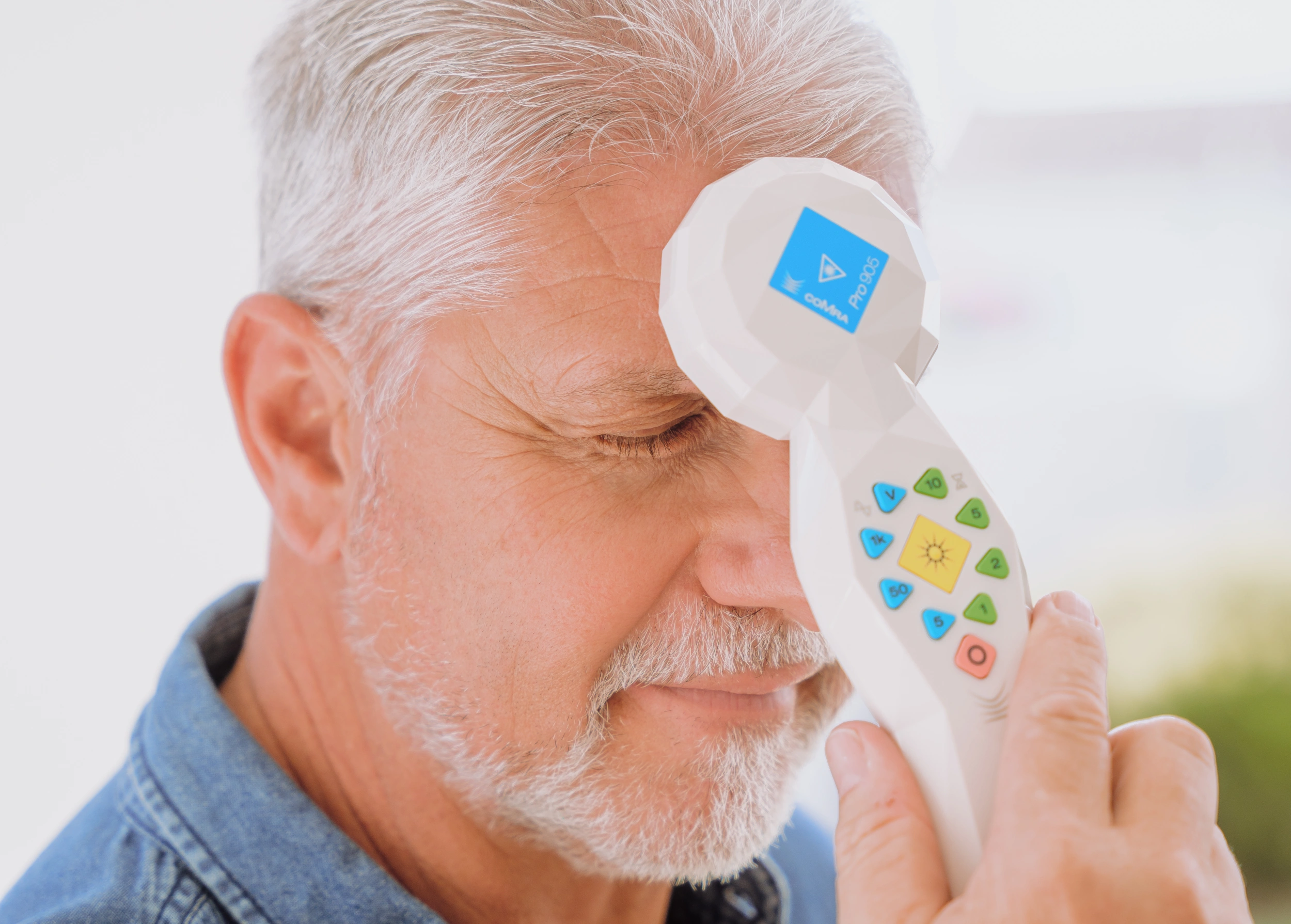
The presentation introduces coMra therapy as an effective method for stroke rehabilitation. The coMra Delta device combines four types of physiotherapy:

  1. Infrared laser
  2. Magnetic field
  3. Low-frequency ultrasound
  4. Color therapy

These combined therapies aim to:

  • Replenish energy in cells
  • Improve blood circulation
  • Stimulate nerve regeneration
  • Enhance metabolic processes

Case Studies

Several case studies are presented, demonstrating significant improvements in patients using coMra therapy alongside traditional rehabilitation methods:

  1. A patient with multiple strokes regained the ability to walk and perform daily activities.
  2. A patient with severe stroke symptoms showed remarkable improvement in mobility and speech.
  3. A patient with both stroke and cancer-related complications experienced significant recovery.

Scientific Basis

The presentation includes scientific data showing the effects of laser therapy on ATP production in brain cells and the enhanced effectiveness of thrombolytic drugs when combined with ultrasound therapy.

Conclusion

The speaker emphasizes the importance of a comprehensive approach to stroke rehabilitation, combining coMra therapy with traditional methods like physical therapy, massage, and medication. They highlight the potential of coMra therapy to accelerate recovery and improve outcomes for stroke patients, even in cases previously considered challenging.