Vitality and Coherence for Movement Longevity
In this discussion, Mikhail Tsvetanov and Arzhan Surazakov, in cooperation with Radiant Life Technologies, explore the vital intersection of movement, health, and longevity. Mikhail, a lifelong athlete and practitioner of various disciplines, shares his journey toward athletic longevity – the ability to remain active, explore new movement forms, and maintain a high quality of life well into his later years.
The Myth of Professional Sports and Longevity
Mikhail observes that professional sports are often misaligned with the principles of health and longevity. The professional sphere is frequently characterized by overuse, chronic fatigue, burnout, and trauma, with the average career lasting only five to ten years. For Mikhail, true "movement longevity" is not about peak performance at the cost of the body, but about the freedom to move without restriction or pain at any age.
Mikhail emphasizes that "athletic diversity" is a key factor in longevity. By avoiding the trap of becoming locked into repetitive, exhaustive movement patterns, one can maintain better harmony within the body. He notes that even at nearly 50 years of age, he remains in excellent shape by continuously exploring new movement practices and listening carefully to his body’s needs.
The Natural Rhythm of Regeneration
The body functions according to a natural rhythm of growth, evolution, and healing. This cycle consists of two complementary phases: stress and recovery. * The Stress Phase: Necessary for growth and evolution, this phase acts as the impulse for change. * The Recovery Phase: Essential for rebuilding what the stress phase has broken down.
Mikhail explains that when we remain in a state of stress for too long, the natural rhythm breaks down, leading to chronic exhaustion and cellular decay. The key to longevity is maintaining a dynamic balance – a state of coherence – between these two forces.
The Science of Coherence with coMra Therapy
Arzhan Surazakov, Director of Research and Development at Radiant Life Technologies, provides the scientific context for how coMra therapy supports this regenerative process. Drawing from his own experience recovering from knee injuries sustained during years of mountaineering, Arzhan highlights that the body’s ability to recover is what ultimately dictates strength and longevity.
coMra therapy supports the body by addressing three fundamental flows at the cellular level: 1. Energy: Enhancing mitochondrial function to produce ATP more efficiently. 2. Matter: Facilitating the synthesis of proteins and cellular structures. 3. Communication: Regulating the autonomic nervous system to ensure a coherent regenerative cycle.
By utilizing a combination of infrared laser, magnetic fields, ultrasound, and colour LEDs, coMra devices create a condition of internal coherence. This allows the body to regenerate up to two to three times more efficiently. As Arzhan notes, "We are not forcing the body to do something unnatural; we are simply introducing harmony into the cell."
Practical Application for Athletes
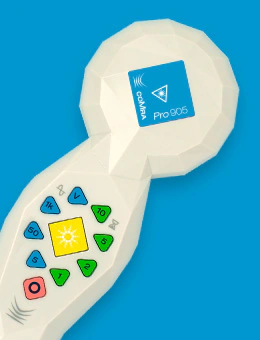
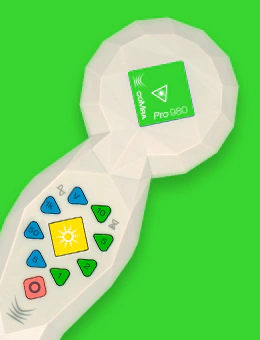
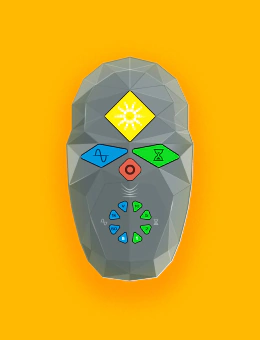
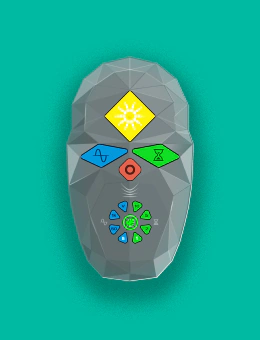
coMra therapy is designed to be non-invasive and easy to use. Whether using the coMra Delta or the portable coMra Palm, athletes can target specific areas of concern or support systemic health.
Mikhail and Arzhan recommend a two-pronged approach: * Systemic Treatment: Addressing vital organs (such as the heart, liver, spleen, and kidneys) and the blood/lymphatic systems to support the body’s overall vitality. * Local Treatment: Applying protocols like Traumatology 9 directly to injured muscles or joints to accelerate tissue repair and nerve recovery.
Real-World Success Stories
Mikhail shares several case studies demonstrating the efficacy of coMra therapy: * Denisa Barisova: A sports aerobics champion who used coMra protocols to manage training pressure, recover from mononucleosis, and resolve knee pain, allowing her to perform at her peak. * Stefan Yanazek: An Olympic pole vaulter who used the coMra Delta to recover from a severe hip joint infection, reporting that it was the most effective rehabilitation tool he had ever used. * Dukla Army Sports Club: Physiotherapists at this prestigious club reported that coMra therapy successfully healed chronic conditions that had proven resistant to other modalities, often achieving significant improvement within just 14 days. * Surgical Recovery: In cases of severe injury, such as torn ACLs and MCLs, coMra therapy has been used to resolve persistent swelling pre-surgery, significantly improving the recovery trajectory.
Ultimately, coMra therapy serves as a powerful support system for anyone looking to sustain their vitality. By fostering coherence and efficiency in the body’s natural regenerative cycles, it empowers individuals to pursue their passions and maintain their movement horizons throughout their entire lives.
In addition to resolving swelling, coMra therapy has demonstrated remarkable efficacy in accelerating recovery post-surgery. One notable case involved an individual who, just one month after an operation, successfully completed a two-day mountain trail crossing without major complications. By exercising caution and avoiding excessive loading, he was able to sustain the trek. Furthermore, he reported achieving a personal record in freediving only two months post-operation – a feat that typically demands intense leg strength. Photographic records of his recovery showed that within just 14 days of coMra therapy, the wound on his knee had completely restored.
Addressing Stress and Growth
Following the presentation of these case studies, the discussion shifted to the role of stress in athletic performance. Garrett Murrin noted that the search for novelty is often linked to dopamine levels; when these are depleted, individuals may struggle to tackle challenges. He observed that coMra therapy helps users maintain the calmness and hormonal balance necessary to navigate difficult situations and venture outside their comfort zones.
Arzhan Surazakov expanded on this, framing stress from a positive perspective. Drawing an analogy to lobsters, which must shed their shells to grow when they become uncomfortable, he explained that stress is a necessary catalyst for growth. The goal of coMra therapy, he clarified, is not to induce a state of lethargy, but to help keep stress at a manageable, controllable level so that it does not hinder one’s ability to act.
Protocols for Athletic Recovery
When asked about recovery protocols, Mikhail shared his personal approach. He frequently utilizes blood irradiation as a foundational, systemic support mechanism after heavy training. He also emphasized the importance of addressing adrenal exhaustion, noting that physical fatigue is often directly linked to the state of the adrenal glands. For a general vitality boost, he recommends specific protocols, such as the Vitality 7, which he finds highly effective.
During long-day tournaments, Mikhail treats his quadriceps directly between matches, alongside blood and adrenal gland protocols. He also advocates for treating the liver – the body’s "master chemist" – and the kidneys. Furthermore, he highlighted the importance of paravertebral points on the back, noting that treating these areas can have a profound impact on the body’s overall state. He stressed that for profound exhaustion, repeating a treatment three to four hours after an initial session can significantly enhance the body’s regenerative efforts.
Medical vs. Aesthetic Terminals
Addressing a question regarding the use of the aesthetic terminal for muscle recovery, Mikhail explained that he uses it both to prepare muscles before a session and to rejuvenate them between games. Arzhan clarified the distinction: the medical terminal is primarily designed for regeneration – rebuilding tissue after injury – while the aesthetic terminal is better suited for rejuvenation and preconditioning. Because the aesthetic terminal’s ultrasound creates a slightly stronger vibration, it is an ideal tool for enhancing overall metabolism in the tissue, thereby helping to prevent injury before intense physical exertion.
Hydration and Holistic Health
Regarding hydration, Arzhan noted that while there is no strict requirement to drink water specifically to make coMra therapy "work," it is essential to maintain good hydration levels. Because coMra therapy accelerates the body’s regenerative cycles, it also speeds up the water cycle, which is vital for flushing toxins and supporting metabolic functions.
Ultimately, the speakers emphasized that coMra therapy is part of a comprehensive approach to health. It encourages users to become their own "health detectives," learning to identify where their body needs support – whether through nutrition, rest, or targeted treatment. By shifting the focus from overtraining to achieving balance, coMra therapy supports the body in becoming more versatile, resilient, and healthy.
Addressing Chronic Conditions
When asked about regenerating bones and ligaments, Arzhan confirmed that while coMra therapy is highly effective for recent injuries, chronic conditions – particularly those linked to autoimmune or degenerative diseases – require a longer-term approach. In such cases, the therapy can provide significant symptomatic relief, pain management, and improved quality of life. For systemic issues like rheumatoid arthritis, he recommends treating the entire body rather than focusing solely on the affected joints.
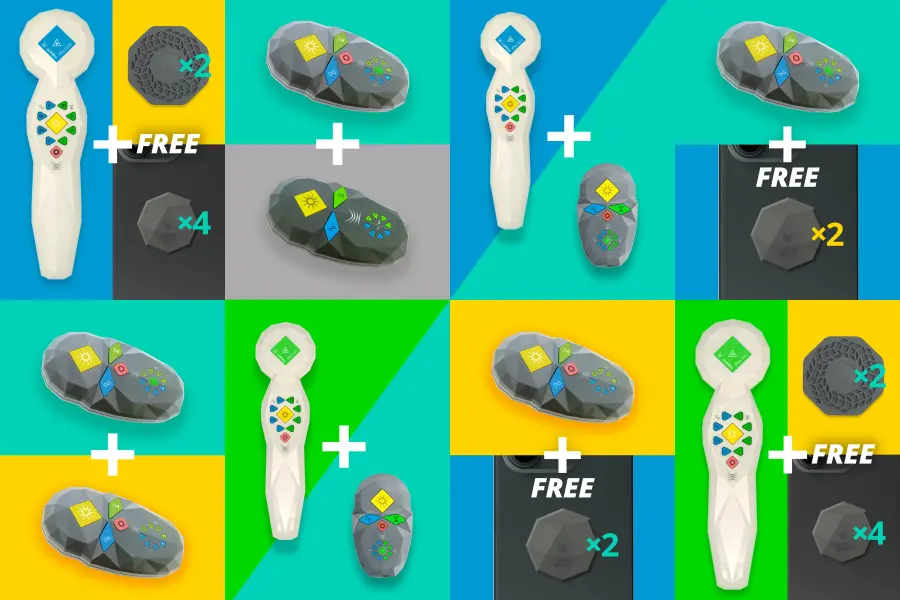
The session concluded with an announcement from Mikhail regarding a promotional offer: a 10% discount on all coMra devices, including the coMra Delta, coMra Palm, and coMra Wave, available via the official eShop until June 15th using the coupon code longevity10.



 coMra user guides

 Articles
 Testimonials
 Case studies
 Podcasts



 Customer services
 User support
 Schedule a call
 Chat with us

 My last searches
 Popular searches