FEATURED ARTICLE

The Problem of Pain

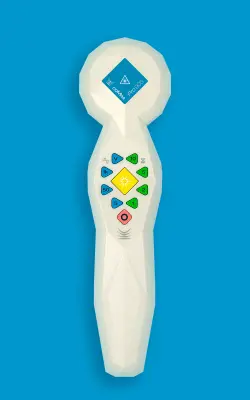
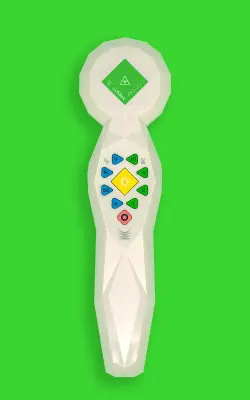
Chronic pain affects over 1.5 billion people globally, with traditional medications often causing significant side effects. coMra therapy presents a safer alternative by combining laser therapy with magnetism, ultrasound, and…

Read this article

The Problem of Pain
Browse our blog and see all articles

Customer services

Our customer services team are seasoned practitioners of coMra therapy with over a decade of experience.

If you're considering a coMra device – but have questions not covered in our extensive Resources and FAQ pages – please send us an email and we'll get back to you soonest:

info@comra-therapy.com

User support

If you already own a coMra device and need help with your device, with your treatments – or with any technical issues – please reach out to us here.

Click through on the link below, send us an email and we'll get back to you:

support@comra-therapy.com

Schedule a call

If you'd rather speak with one of our experienced customer service team members, you can schedule a call with us instead.

Please click through on the Calendly link below and one of our customer service team will get back to you:

calendly.com/comra-support-team

Chat with us

Alternatively, our customer service team are on hand to answer your queries between 9:00–5:00 EST.

Please click through on the link below, or simply click the floating Chat icon on the bottom right of the screen.

Chat with customer services now!
WARRANTY

Register your coMra device!

If you recently purchased one of our coMra devices, welcome to the family! Please fill out the registration form below to activate your warranty.

How do I find my serial number? Found on the sticker on the back of your original product box.

Attachment Theory and Relationships: Understanding Your Patterns

Introduction

  • Presented by Panayota Kontourleon, psychotherapist and coMra practitioner
  • Focus on attachment theory and its impact on relationships

Key Concepts of Attachment Theory

  1. Innate Drive to Relate
  • From birth, humans are programmed with a strong drive to form relationships
  • Attachment behaviors (e.g., crying, clinging) serve to maintain proximity to caregivers
  1. Importance of Early Years (0-3)
  • Critical period for developing attachment styles
  • Caregivers serve as targets for proximity, safe havens, and secure bases
  1. Internal Working Models
  • Mental representations of self and others formed through early experiences
  • Guide future behavior and expectations in relationships
  1. Attachment Styles
  • Secure: Positive view of self and others
  • Anxious-Ambivalent: Negative view of self, positive view of others
  • Avoidant: Positive view of self, negative view of others
  • Disorganized: Negative view of self and others

Development of Attachment Styles

  1. Secure Attachment
  • Consistent, responsive caregiving
  • Leads to confidence, empathy, and healthy relationships
  1. Anxious-Ambivalent Attachment
  • Inconsistent caregiving
  • Results in fear of abandonment, low self-esteem, and relationship anxiety
  1. Avoidant Attachment
  • Distant or rejecting caregiving
  • Leads to emotional distance, self-reliance, and difficulty with intimacy
  1. Disorganized Attachment
  • Frightening or traumatic caregiving
  • Results in confused attachment behaviors and relationship difficulties

Impact on Adult Relationships

  1. Secure Adults
  • Handle conflicts constructively
  • Confident in relationships
  • Able to give and receive support
  1. Anxious-Preoccupied Adults
  • Hyperactivated attachment system
  • Fear of rejection and abandonment
  • Excessive need for closeness and reassurance
  1. Avoidant-Dismissing Adults
  • Deactivated attachment system
  • Uncomfortable with closeness
  • Prioritize independence over relationships
  1. Fearful-Avoidant Adults
  • Conflicted desire for closeness and fear of intimacy
  • Roller coaster of emotions in relationships
  • Difficulty trusting others

Therapeutic Approaches

  1. Awareness and Psychoeducation
  • Understanding one’s attachment style and its origins
  • Recognizing patterns in current relationships
  1. Emotional Regulation
  • Learning to identify and express emotions healthily
  • Challenging negative self-talk and cognitive distortions
  1. Cognitive Behavioral Techniques
  • Using thought records to challenge negative beliefs
  • Developing more balanced and realistic perspectives
  1. Building Secure Attachment
  • Practicing self-compassion
  • Developing healthy coping mechanisms
  • Gradual exposure to intimacy and vulnerability

Key Takeaways

  1. Attachment styles are formed early but can be modified with awareness and effort
  2. Understanding your attachment style can improve relationships and self-understanding
  3. Therapy can help address attachment-related issues and build more secure relationships
  4. Self-awareness and willingness to change are crucial for personal growth

Conclusion

  • Attachment theory provides a framework for understanding relationship patterns
  • Healing is possible through self-awareness, therapy, and conscious effort to change patterns
  • The journey of self-discovery and healing is ongoing but rewarding

The webinar emphasizes the importance of understanding one’s attachment style as a key to improving relationships and overall well-being. It provides a comprehensive overview of attachment theory and its practical applications in therapy and personal growth.