1. *Summary: This text discusses the process of using coMra therapy, a holistic treatment that supports the body's natural healing systems. It emphasizes the importance of self-discovery and learning in determining the best treatment protocols. The text also mentions the need to identify major life incidents as part of the process.*
Hello everyone, my name is Arzhan Surazakov, and I'm here with Garrett Murrin.
And today we're going to talk about the history taking in coMra therapy.
So, in this process, taking the history, the few things that we would like to point out is, first of all, you would set up a major incidence. So this will be -- I'll give you a go for an example, but this will be like something major in your life. And this is quite easy to do when you actually see it with 10 piece of paper and you write down what actually happened, trying to recall what happened.
And then you would go into the second part, which is the symptoms. So, what are the symptoms that you're experiencing? And then you would go into the third part, which is the treatment. So, what kind of treatment have you done? And then the fourth part is the lifestyle. So, what is your lifestyle?
And then the fifth part is the coMra therapy. So, what kind of coMra therapy have you done? And then the sixth part is the results. So, what kind of results have you got?
So, this is the process of taking the history. And this is very important because it will help you to understand what is going on with your body. And it will help you to understand what kind of treatment you need.
So, let's go into the first part, which is the major incidence. So, what is a major incidence? A major incidence is something that happened in your life that had a big impact on you. It could be a physical trauma, it could be an emotional trauma, it could be a mental trauma. It could be anything that had a big impact on you.
So, for example, if you had a car accident, that would be a major incidence. If you had a death in the family, that would be a major incidence. If you had a divorce, that would be a major incidence. If you had a job loss, that would be a major incidence. If you had a financial crisis, that would be a major incidence.
So, anything that had a big impact on you, that would be a major incidence. And it's very important to identify these major incidences because they can have a big impact on your health. And they can be the root cause of your symptoms.
So, once you identify the major incidences, then you can go into the second part, which is the symptoms. So, what are the symptoms that you're experiencing? And it's very important to be very specific about your symptoms.
So, for example, if you have a headache, don't just say, "I have a headache." Say, "I have a throbbing headache on the left side of my head." Or, "I have a dull headache on the right side of my head." Or, "I have a sharp headache in the front of my head."
So, be very specific about your symptoms. And it's also very important to identify when the symptoms started. So, when did the symptoms start? And what were you doing when the symptoms started?
So, for example, if you had a headache, when did the headache start? And what were you doing when the headache started? Were you working on the computer? Were you reading a book? Were you watching TV? Were you driving a car?
So, be very specific about your symptoms. And it's also very important to identify what makes the symptoms better and what makes the symptoms worse. So, what makes the headache better? And what makes the headache worse?
So, for example, if you have a headache, what makes the headache better? Does taking a painkiller make the headache better? Does lying down make the headache better? Does drinking water make the headache better?
And what makes the headache worse? Does stress make the headache worse? Does bright light make the headache worse? Does loud noise make the headache worse?
So, be very specific about your symptoms. And it's also very important to identify what kind of treatment you have done. So, what kind of treatment have you done? Have you taken any medications? Have you seen a doctor? Have you seen a therapist? Have you seen a chiropractor? Have you seen an acupuncturist?
So, what kind of treatment have you done? And what were the results of the treatment? Did the treatment help? Did the treatment not help? Did the treatment make the symptoms worse?
So, be very specific about the treatment that you have done. And it's also very important to identify what is your lifestyle. So, what is your lifestyle? Do you exercise? Do you eat healthy? Do you sleep well? Do you drink alcohol? Do you smoke?
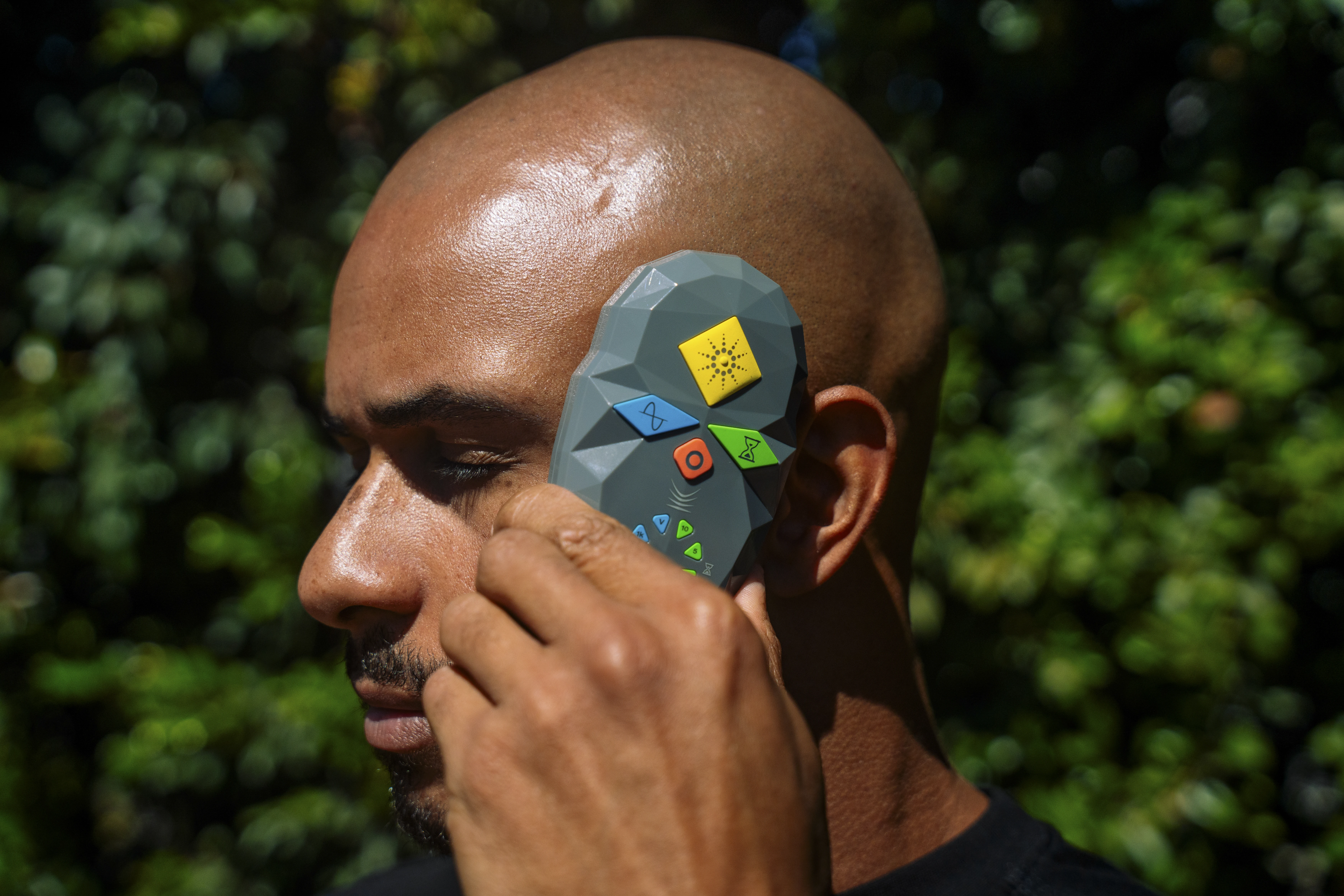
So, what is your lifestyle? And it's also very important to identify what kind of coMra therapy you have done. So, what kind of coMra therapy have you done? Have you used the coMra Delta? Have you used the coMra Palm? Have you used the Universal Treatment Protocols? Have you done blood irradiation?
So, what kind of coMra therapy have you done? And what were the results of the coMra therapy? Did the coMra therapy help? Did the coMra therapy not help? Did the coMra therapy make the symptoms worse?
So, be very specific about the coMra therapy that you have done. And it's also very important to identify what kind of results you have got. So, what kind of results have you got? Did you get better? Did you not get better? Did you get worse?
So, be very specific about the results that you have got. And this is the process of taking the history. And this is very important because it will help you to understand what is going on with your body. And it will help you to understand what kind of treatment you need.
And this is very important for the coMra therapy because coMra therapy is a holistic therapy. And it's very important to understand the whole person. And it's very important to understand the whole history of the person.
So, this is the process of taking the history. And this is very important for the coMra therapy. And this is very important for your health.
So, thank you for listening. And we hope that this was helpful.
Thank you, Arzhan.




 coMra user guides


 Articles
 Testimonials
 Case studies
 Podcasts




 Customer services
 User support
 Schedule a call
 Chat with us

 My last searches
 Popular searches