FEATURED ARTICLE

The Problem of Pain

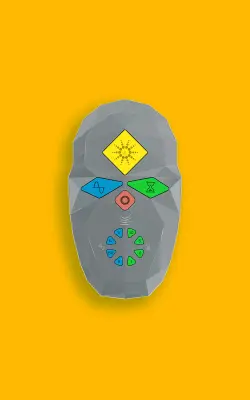
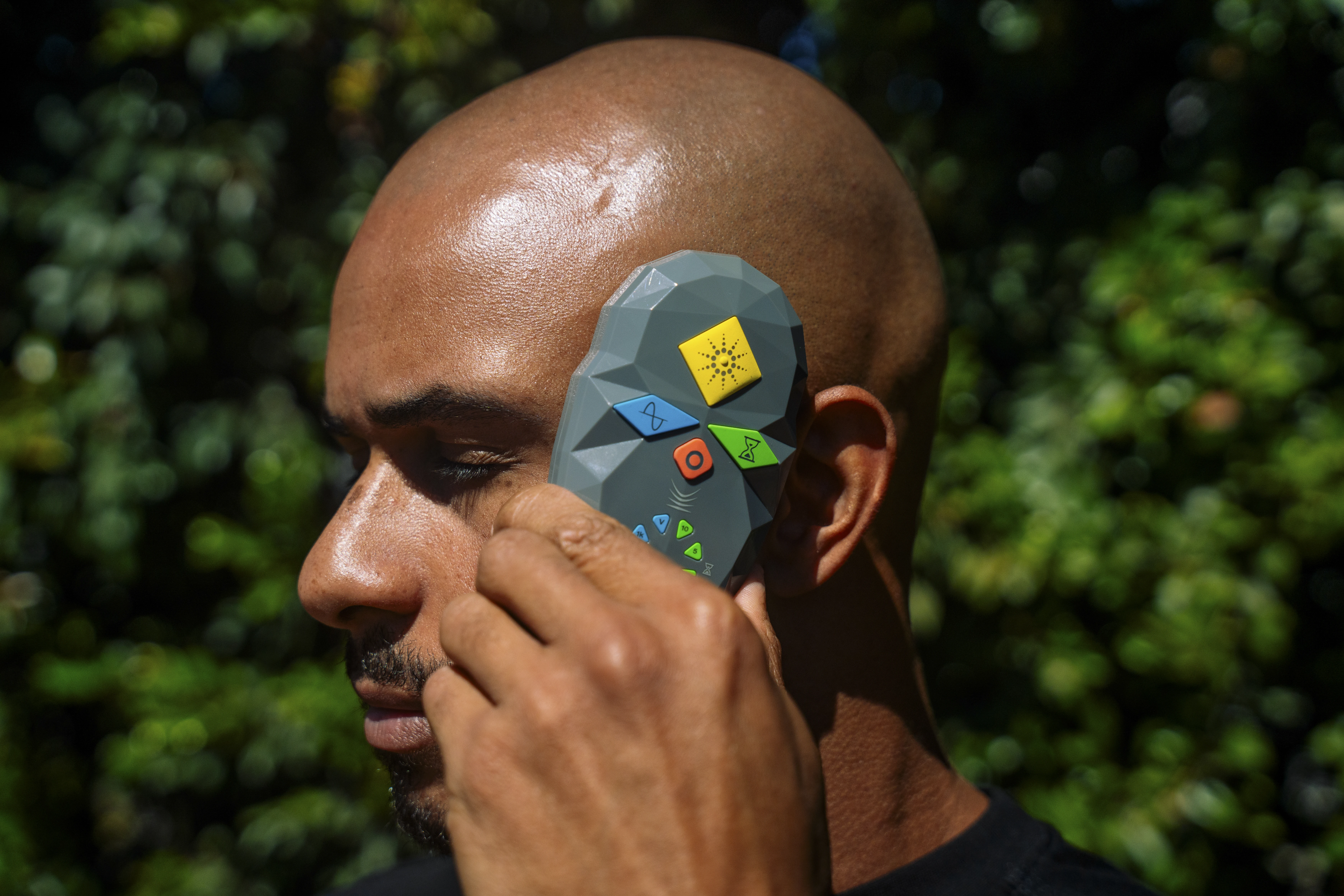
Chronic pain affects over 1.5 billion people globally, with traditional medications often causing significant side effects. coMra therapy presents a safer alternative by combining laser therapy with magnetism, ultrasound, and…

Read this article
The Problem of Pain
Browse our blog and see all articles

Customer services

Our customer services team are seasoned practitioners of coMra therapy with over a decade of experience.

If you're considering a coMra device – but have questions not covered in our extensive Resources and FAQ pages – please send us an email and we'll get back to you soonest:

info@comra-therapy.com

User support

If you already own a coMra device and need help with your device, with your treatments – or with any technical issues – please reach out to us here.

Click through on the link below, send us an email and we'll get back to you:

support@comra-therapy.com

Schedule a call

If you'd rather speak with one of our experienced customer service team members, you can schedule a call with us instead.

Please click through on the Calendly link below and one of our customer service team will get back to you:

calendly.com/comra-support-team

Chat with us

Alternatively, our customer service team are on hand to answer your queries between 9:00–5:00 EST.

Please click through on the link below, or simply click the floating Chat icon on the bottom right of the screen.

Chat with customer services now!
WARRANTY

Register your coMra device!

If you recently purchased one of our coMra devices, welcome to the family! Please fill out the registration form below to activate your warranty.

How do I find my serial number? Found on the sticker on the back of your original product box.

4.4.2. Design Your Treatment Outline - Power Point how to

1. Summary: This text is a transcript of a webinar where Arzhan Surazakov and Garrett Murrin explain an assignment for participants to design a coMra therapy treatment plan. The assignment involves selecting a case, describing the patient's condition, history, and symptoms, and then creating a treatment plan with specific points, frequencies, and durations. The goal is to understand the rationale behind each treatment choice and to use the coMra Delta device effectively.

Okay. So the next step, we would ask you to now design a treatment. So we will place the recording of this webinar. So in this presentation with PowerPoint, this is what will be your exam basically. So here, for example, you would type just double click on type name of your condition. You can put your name here presented by, you know, put Garrett Murrin or Arzhan Surazakov. Next slide, we'll talk about just very briefly a few words why did you choose this case, you know, why it's relevant. The next case is you talk about the person. So we want, obviously, gender, age. Then you would go to the health challenges. What symptoms. And if you have some relevant tests, signs, perhaps if you want to mention and also the diagnosis if you have one. So describe the current condition of the person. The next slide is about history, the history of the current condition and the relevant emotional family and social history. We'll go back to this point in the next Sunday meeting. But now that you understand so this is the slide number four. And in the next slide, I put here uh about seven seven slides. So um here what you will see is a diagram. So this is diagram of the head is a diagram with the torso, and the back, the leg and so on. So one way how you can do this is simply what you will do is you click insert text box and let's say you want to put here a point so you would type you know like this. And the idea is that you'll place the plus sign where you want it. Maybe I'll just remove the size a little bit. So this could be a treatment point. So for example, I put here one example is if you want to treat the frontal lobe, and I put a text box here. So this is one way to do it. And what we want from you, this is like the main point of doing this exam is that we would like you to describe what are you treating and why you're treating it. So you might have to study a little bit the condition that you have what organs are involved and where they are located and so on. So the main point of doing this exam is to not just to place the points, but actually understand why are you treating that specific point? And why you chose 50 Hz, why 5 minutes, why you're including that organ or the blood and so on. So here you will see, I put several different diagrams. and just choose which you want. Or again, you can simply print, draw by hand and then just take a photograph with your camera or your cell phone and email it back. And the last slide is your treatment plan. The number of treatments sessions per day or per week and perhaps you want to include other therapies as well. So you can type it here. We'll talk about about the progress of healing during next Sunday. So this is your homework for the next Sunday is to spend some time and think about given your case, given this particular symptoms, diagnosis, what you would like to treat. And please email it to us by next Saturday. Again, if you have any questions this email and we'll help. Yes. And just to add, you don't have to overthink it. In other words, just so you can start to work with the concepts that are given and just to flesh out your ideas on them. And we want to help you flesh those ideas out. It's really what this is about, so you can get more use, the best use out of the Delta. And there is one more hint when you design the treatment and let's say you're treating yourself. If you are improving, you're treating the right points. It's very simple. If you're not improving, well, perhaps you something else needs to done. So it's really easy. It is completely safe and it's a lot of fun. It's your own body. So we hope that you will get much more confidence and not just being and walking around, but actually trying to understand what your body needs, what it wants, why you have that symptom and how you can meet that need with Delta. Okay. Thank you very much for joining today. We'll see you next week.