1. *Summary: This text introduces coMra therapy, explaining its core principles and the various devices used, such as the coMra Delta and coMra Palm. It emphasizes the importance of personalized treatment plans, highlighting that the user guide provides general guidelines that should be adapted to individual needs and health histories. The presentation is led by Arzhan Surazakov and Garrett Murrin, who will discuss how to customize treatments based on individual circumstances.*
Arzhan Surazakov: So, welcome everyone. Today we're going to be talking about the coMra user guide. And we're going to be talking about how to use it, how to understand it, and how to design your own treatments.
Garrett Murrin: Yeah, and I think it's important to note that, as Scarracher said, we call it a user guide and not a user manual. Means that each person is unique. So the treatments what you will see in the user guide, they are very generalized kind of needle of the road approach to treating a condition. But then when you will be seeing a client of yours or if you're treating yourself, then your health history is unique. your set of conditions of possibly other diseases, your lifestyle, personal preferences. So when you bring all of this together, you will see that you might have to adjust those treatments. And most probably, you will come up with some new treatments down the road. So every time when you will look at the person and you will think about treatment, you open your guide, you flip for the the pages, you know, see the, you know, say, trauma therapy 10, for example. But then you'll put it aside and then you will look at the person and you will take the health history, you will take the story of the person, what are his needs and then you will be modifying. So this is why today we will be talking a lot about coMra guidelines and you know, the, you can say, we'll look at how designing new treatments, how to approach customizing treatments. Okay.
Arzhan Surazakov: So, let's start with the basics. What is coMra? coMra stands for Coherence Through Modulation of Radiances. And it's the healing force behind coMra therapy. The four radiances used in coMra therapy are infrared laser, magnetic field, ultrasound, and colored LEDs. These radiances work together to support the body's own healing systems.
Garrett Murrin: And it's important to understand that coMra therapy is a holistic, natural, self-sufficient treatment. It's not about forcing the body to heal, but rather about supporting its own natural ability to heal. Practitioners and users who have experience with coMra therapy describe a process of self-discovery and learning as they gradually determine what their bodies need in order to heal. This includes learning about the different frequencies, radiances, and treatment protocols, and how to best combine and apply them in their daily lives.
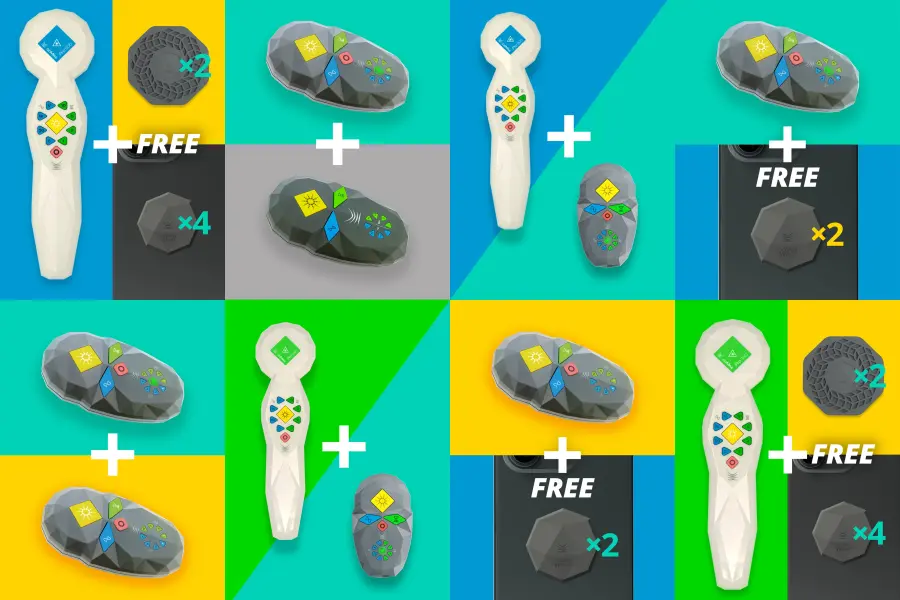
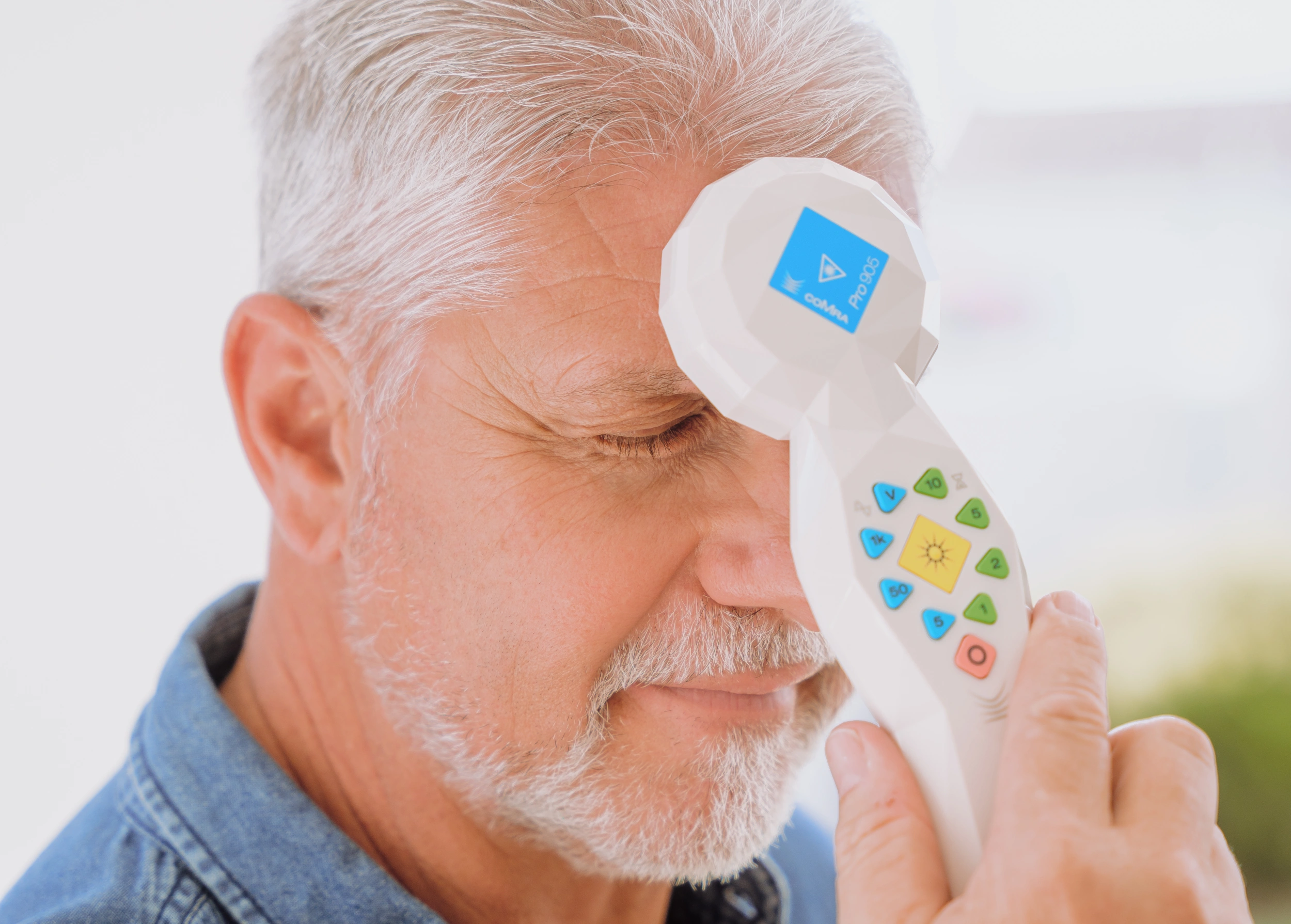
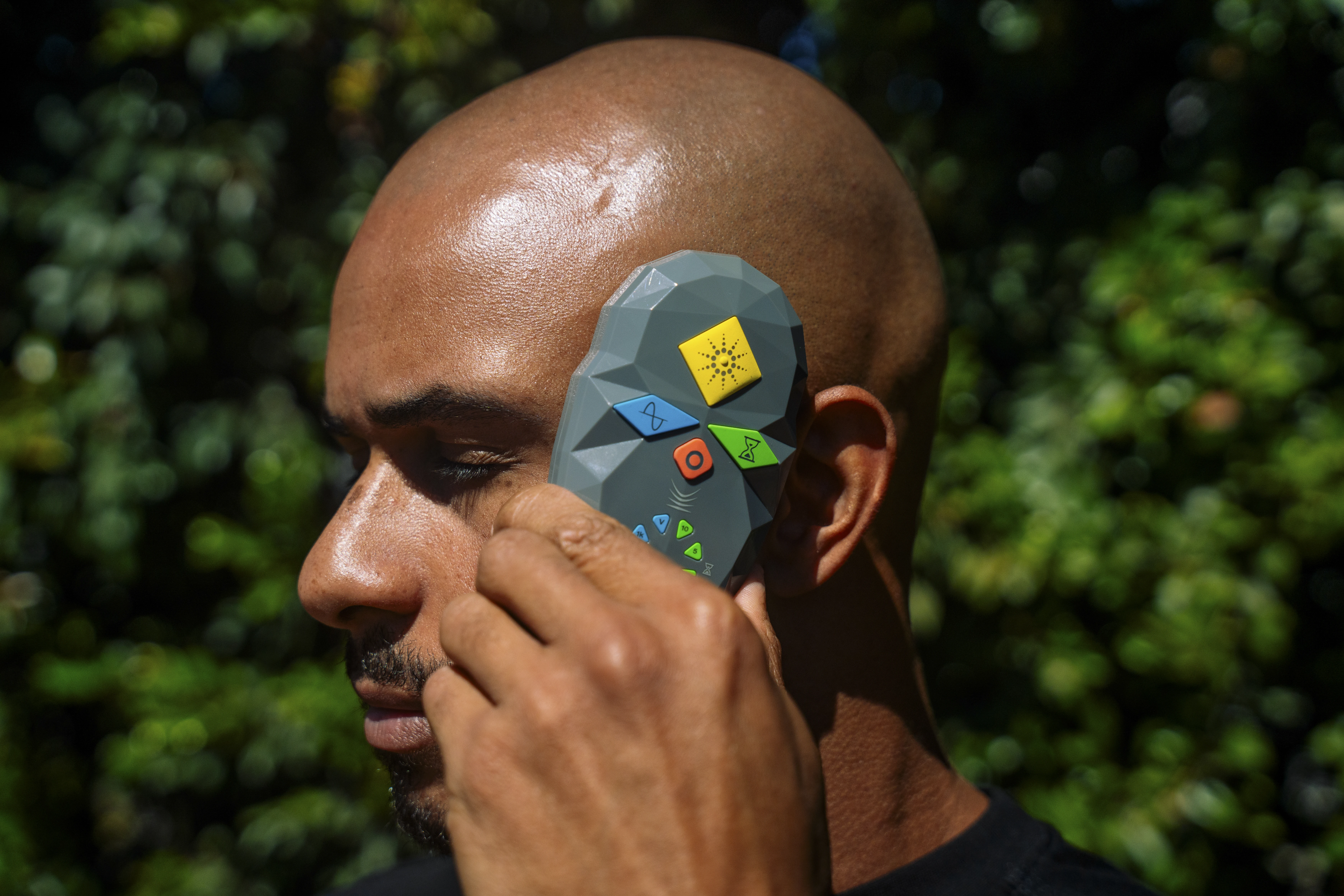
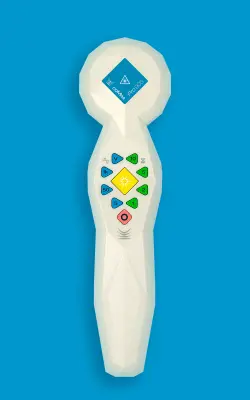
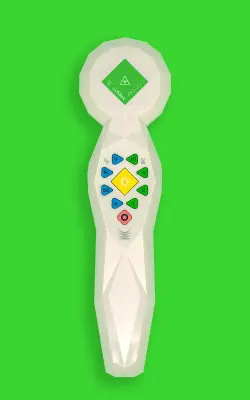
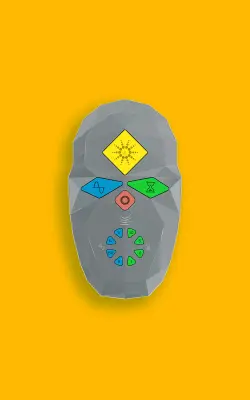
Arzhan Surazakov: Exactly. So, let's talk about the devices. We have the coMra Delta, which is a medical device used to deliver the four radiances. There is a strong version, having 905nm laser as main source, for treating severe forms of acute and chronic autoimmune and degenerative diseases, as well as for rehabilitation and recovery. There is a soft version, having 980nm laser, for treating and preventing acute and chronic diseases, as well as treating trauma and injuries. Then we have the coMra Palm, which is a multipurpose, portable coMra therapy device with a built in battery, ideal for on-the-go use. It can be used for preventing and treating mild and moderate illnesses, diseases, injuries and traumas. It has no ultrasound and its laser is 980nm version.
Garrett Murrin: And then there is the Comra Wave, which is a device that converts harmful electromagnetic radiation into harmonic waveforms. And we also have the coMra Wellness Test, which is a test based on the scientific research of Professor Garkavi and her team that allows users to measure their body's ability and capacity to adapt. This test can also be used to measure healing ability and quality of life.
Arzhan Surazakov: Right. So, when we talk about treatment protocols, we use universal treatment protocols to address the patient's disease systemically. For example, blood irradiation, which is the same as Universal 3 protocol, using coMra on point over main arteries to improve qualities of blood. And then we have specific protocols for different conditions. But again, it's important to remember that these are just guidelines. You need to adapt them to the individual.
Garrett Murrin: Absolutely. And that's what we're going to be focusing on today. How to use the user guide as a starting point, but then how to customize treatments based on your own unique needs and circumstances. We'll be looking at how to combine different radiances, frequencies, and treatment protocols to create the most effective treatment plan for each individual.
Arzhan Surazakov: So, let's dive in and start exploring the user guide.