


 coMra user guides


 Articles

 Testimonials
 Case studies
 Podcasts





 Customer services
 User support
 Schedule a call
 Chat with us

 My last searches
 Popular searches
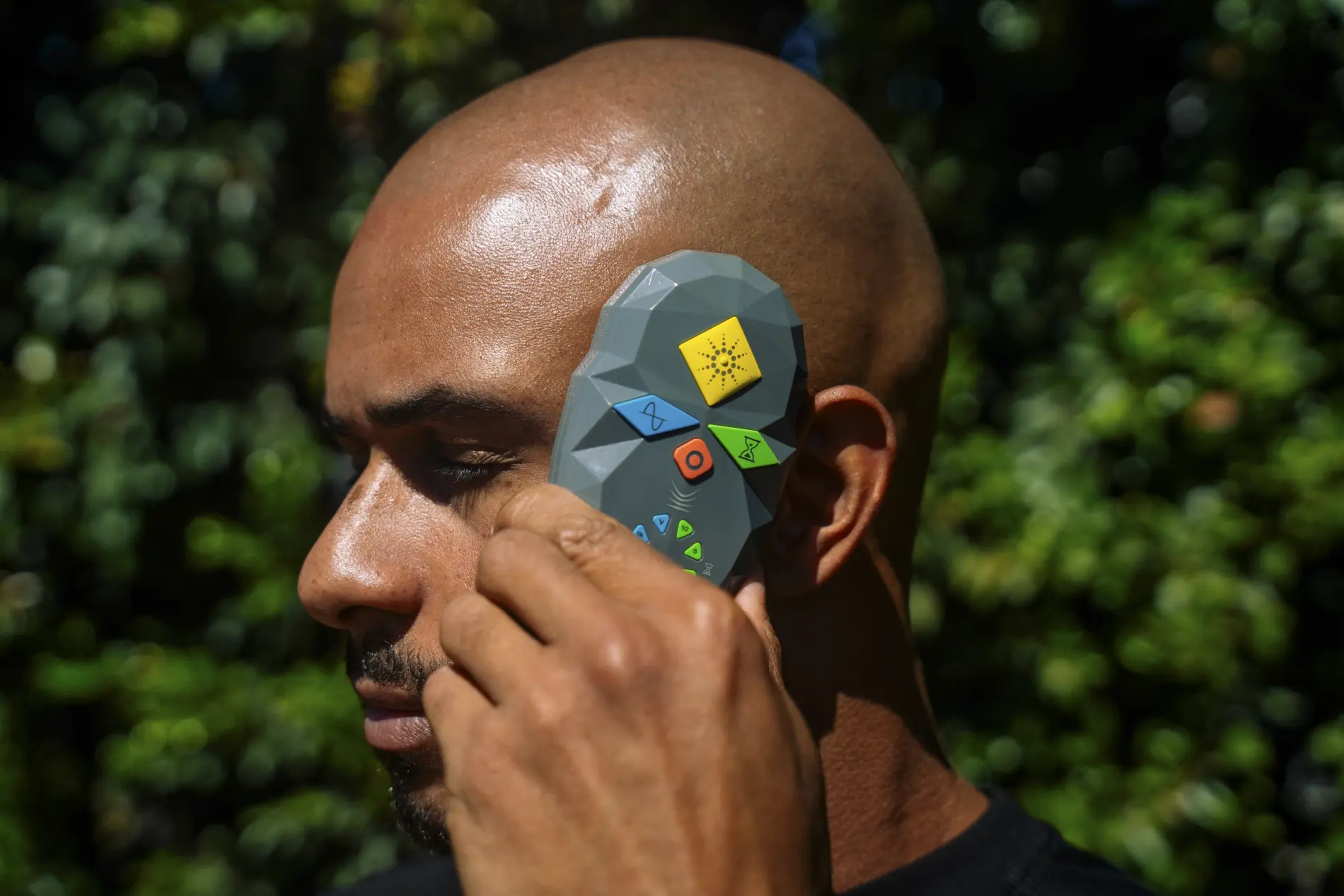
Do you suffer from chronic pain? Are you tired of relying on medication to manage the debilitating symptoms and effects? coMra therapy offers a safe and highly effective way to treat both acute and chronic pain conditions. This article dives into the problem of pain—and how coMra therapy provides a solution.
Pain as the Body’s Warning System
Pain is an essential signal from the body, indicating an imbalance, injury, or underlying condition that needs attention. While most people experience pain at some point, chronic pain presents a unique challenge—persisting for months or even years and significantly affecting quality of life.
Want to learn more about how to manage pain with coMra therapy? Download the coMra Pain eBook now.
The Growing Burden of Chronic Pain
Chronic pain is defined as pain lasting longer than six months. In the United States, approximately 24.3% of adults experience chronic pain, with 8.5% suffering from high-impact chronic pain that frequently limits daily activities.
Globally, more than 1.5 billion people are estimated to suffer from chronic pain, making it one of the leading causes of disability. In the U.S. workforce, back pain alone is responsible for 83 million lost workdays annually.
The Problem with Traditional Pain Management
The most common treatments for chronic pain rely on medication, including opioids. While these drugs can provide relief for certain conditions—such as post-surgical pain or cancer-related pain—the long-term use of opioids has led to severe side effects and widespread addiction.
A survey conducted by the American Pain Foundation found that among chronic pain sufferers using opioids:
- 59% reported a significant impact on their overall enjoyment of life
- 77% experienced depression
- 70% had trouble concentrating
- 74% reported a decrease in energy levels
- 86% suffered from poor sleep
Despite growing awareness of opioid risks, the epidemic remains a major public health concern. More than 80,000 opioid-related deaths occurred in the U.S. in 2023, and while prescribing rates have decreased, illicit fentanyl has driven overdose numbers higher.
Clearly, pain management needs a safer, more effective approach.
A Safe & Effective Alternative: coMra Therapy
Fortunately, science has provided an alternative—Low-Level Laser Therapy (LLLT). Recognized for its ability to reduce pain and promote healing, LLLT (also known as phototherapy) is becoming a powerful tool in modern pain management.
One of the most respected studies on this therapy, published in The Lancet, concluded that:
Dr. Roberta Chow, in Photomedicine and Laser Surgery, explains:
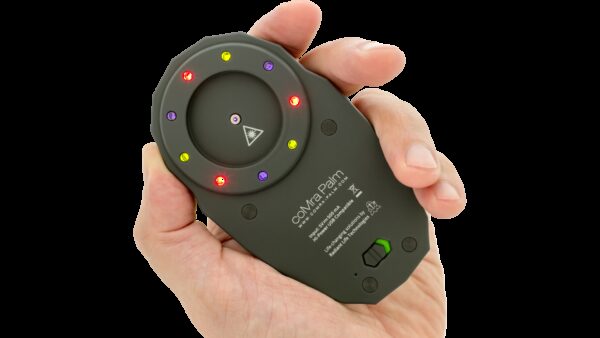
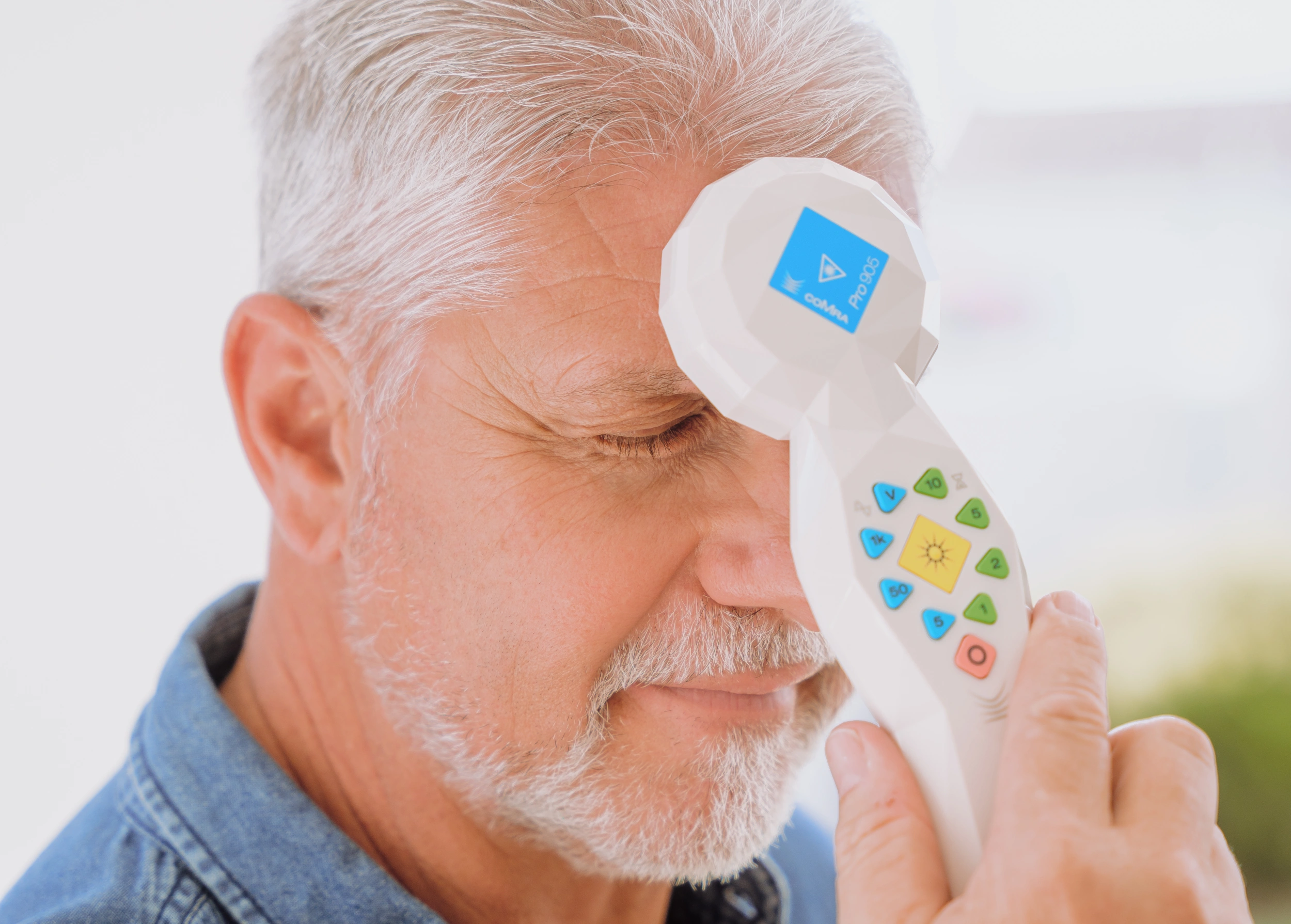
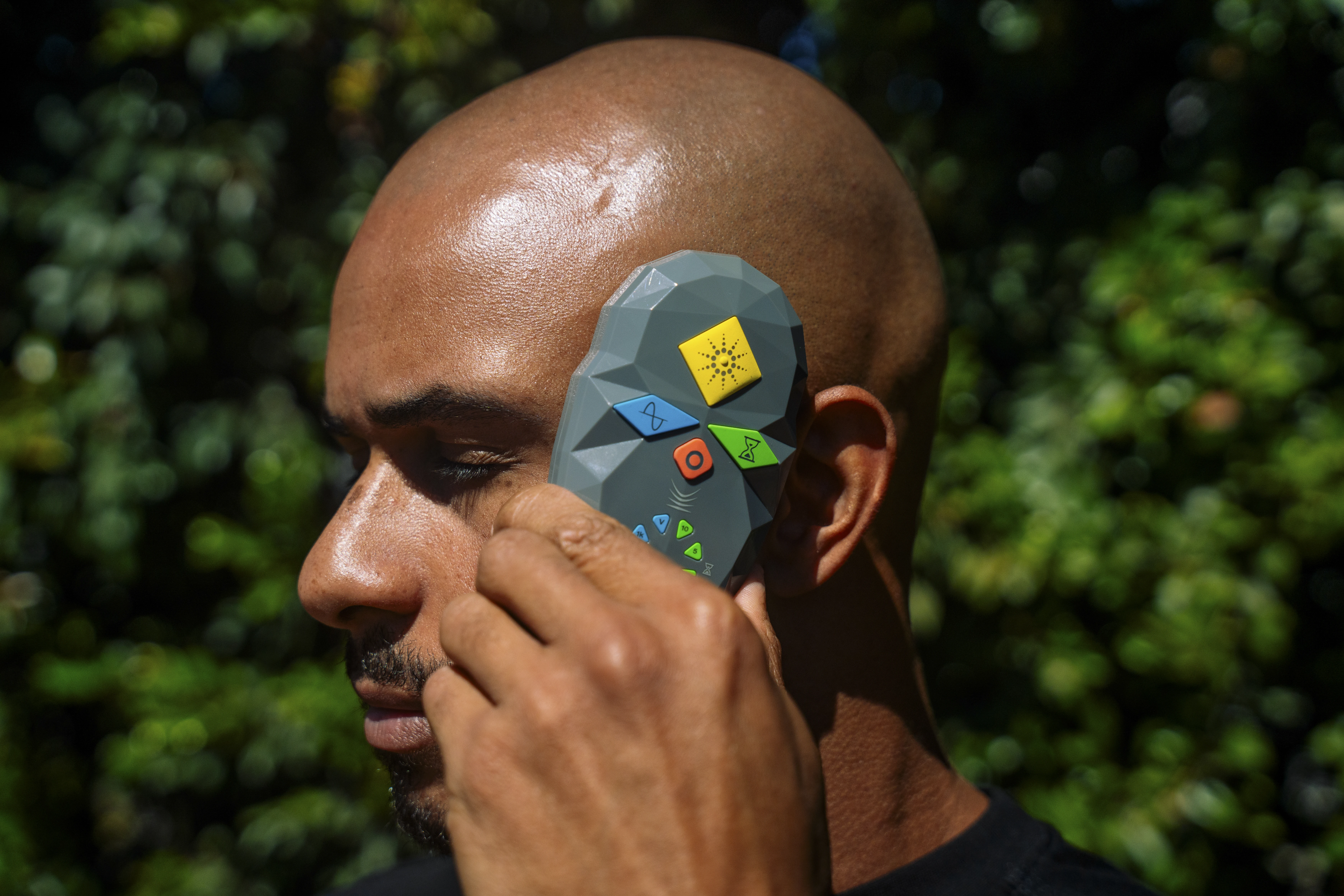
coMra therapy builds on LLLT by coherently combining laser therapy with magnetism, ultrasound, and colored light therapy. While laser therapy helps restore cellular energy and reduce inflammation, magnetism enhances blood circulation and tissue oxygenation. Colored light therapy provides additional stimulation for nerve and immune function, while ultrasound (available in select coMra devices) aids in deep tissue recovery. This coherent combination ensures a holistic, multi-layered healing process rather than simply masking pain.
By acting at a cellular level, coMra therapy supports nerve function, reduces inflammation, and promotes tissue regeneration—making it effective for a wide range of pain conditions, including:
- Back pain and sciatica
- Sports injuries and joint pain
- Migraine and tension headaches
- Fibromyalgia and diabetic neuropathy
- Arthritic and inflammatory pain
Real-Life Results: Cheryl’s Story
Cheryl was diagnosed with Multiple Sclerosis (MS) in 1999 and experienced persistent pain in different areas of her body for years.
In September 2010, she started using coMra therapy. By February 2011, her pain was under control, and she reported:
- Sleeping through the night for the first time in years
- Regaining mobility—walking without a cane
- Working in her garden again
Cheryl’s experience is just one of many showing how coMra therapy helps people regain control over their health.
coMra Pain Treatment Approaches
Using coMra therapy to treat chronic pain is simple, but understanding how to apply it effectively can enhance results:
- Local Pain: Identify the most painful areas and treat them directly, along with 4-5 surrounding points.
- Treatment Duration: Some users experience relief in 1-2 sessions; deeper tissue healing may take longer.
- Frequency Matters: Experiment with different treatment times and frequencies to find what works best.
- Complex Conditions: For systemic issues like fibromyalgia or diabetic neuropathy, full-body treatment protocols are available.
Take Control of Your Pain—Without Drugs
coMra therapy offers a proven, non-invasive alternative to traditional pain management. Whether you’re recovering from an injury or struggling with long-term pain, this therapy can help restore mobility, improve energy levels, and reduce inflammation—without harmful side effects.
Want to learn more? Download the coMra Pain eBook now and take the first step toward natural, lasting pain relief.