



 coMra user guides


 Articles

 Testimonials
 Case studies
 Podcasts





 Customer services
 User support
 Schedule a call
 Chat with us

 My last searches
 Popular searches
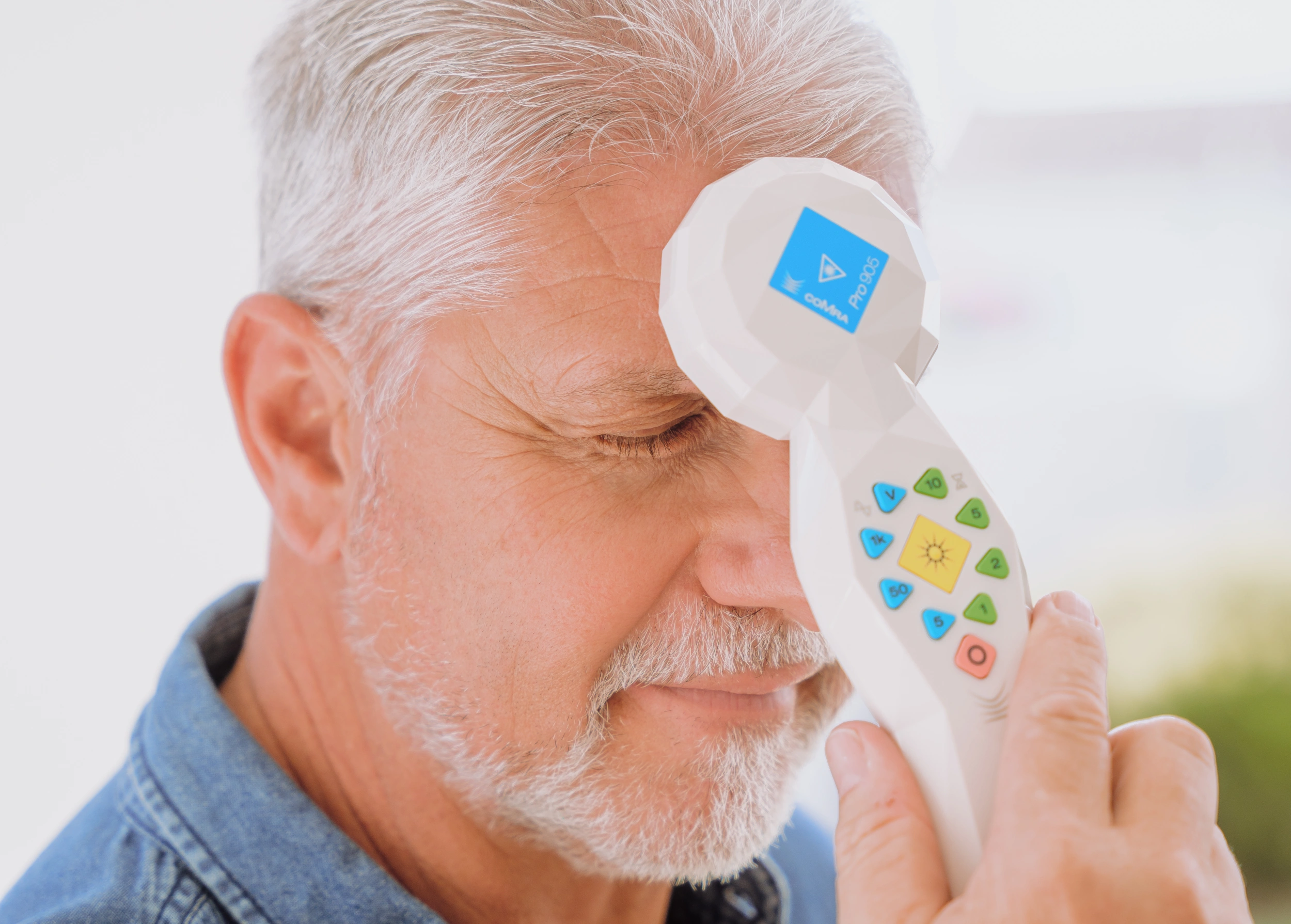
Neuropathy is a common complication of diabetes, causing symptoms like nerve pain, tingling and numbness.1 Low-level laser therapy, like coMra therapy, can be used not only to alleviate the symptoms of diabetic neuropathy, but also to regenerate damaged nerves and manage diabetes.2-4
UNDERSTANDING DIABETIC NEUROPATHY
Diabetic neuropathy is nerve damage caused by having high blood sugar levels (hyperglycaemia) over an extended period of time. Perpetually high blood sugar levels can damage the small blood vessels that provide oxygen and nutrients to your nerves. This causes nerve cells to die, which leads to neuropathy.1
Common symptoms of diabetic neuropathy include:1
-
Numbness and tingling sensations.
-
Burning, stabbing or shooting pains.
-
Hypersensitivity to touch.
-
Muscle weakness.
-
Slow-healing leg or foot sores (ulcers).
Your risk of developing diabetic neuropathy increases the older you get and the longer you’ve had diabetes. Studies show that peripheral neuropathy affects:1
-
At least 20% of people with Type 1 diabetes, who have had the condition for at least 20 years.
-
15% to 50% of people with Type 2 diabetes, who have had the condition for at least 10 years.
TREATING DIABETIC NEUROPATHY WITH coMra
There are three principles to treating diabetic neuropathy in a drug-free, non-invasive way using coMra.3
1. Treat the nerves in the area where you experience the symptoms.
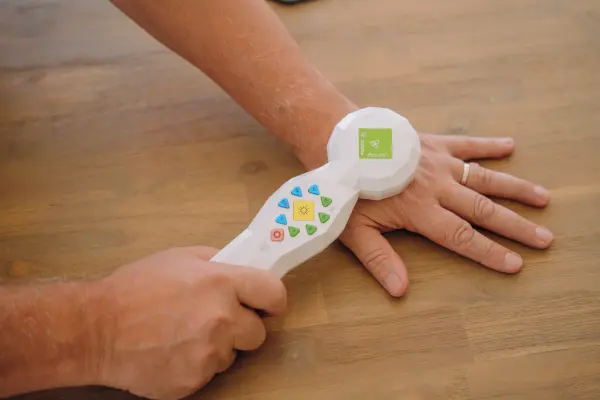
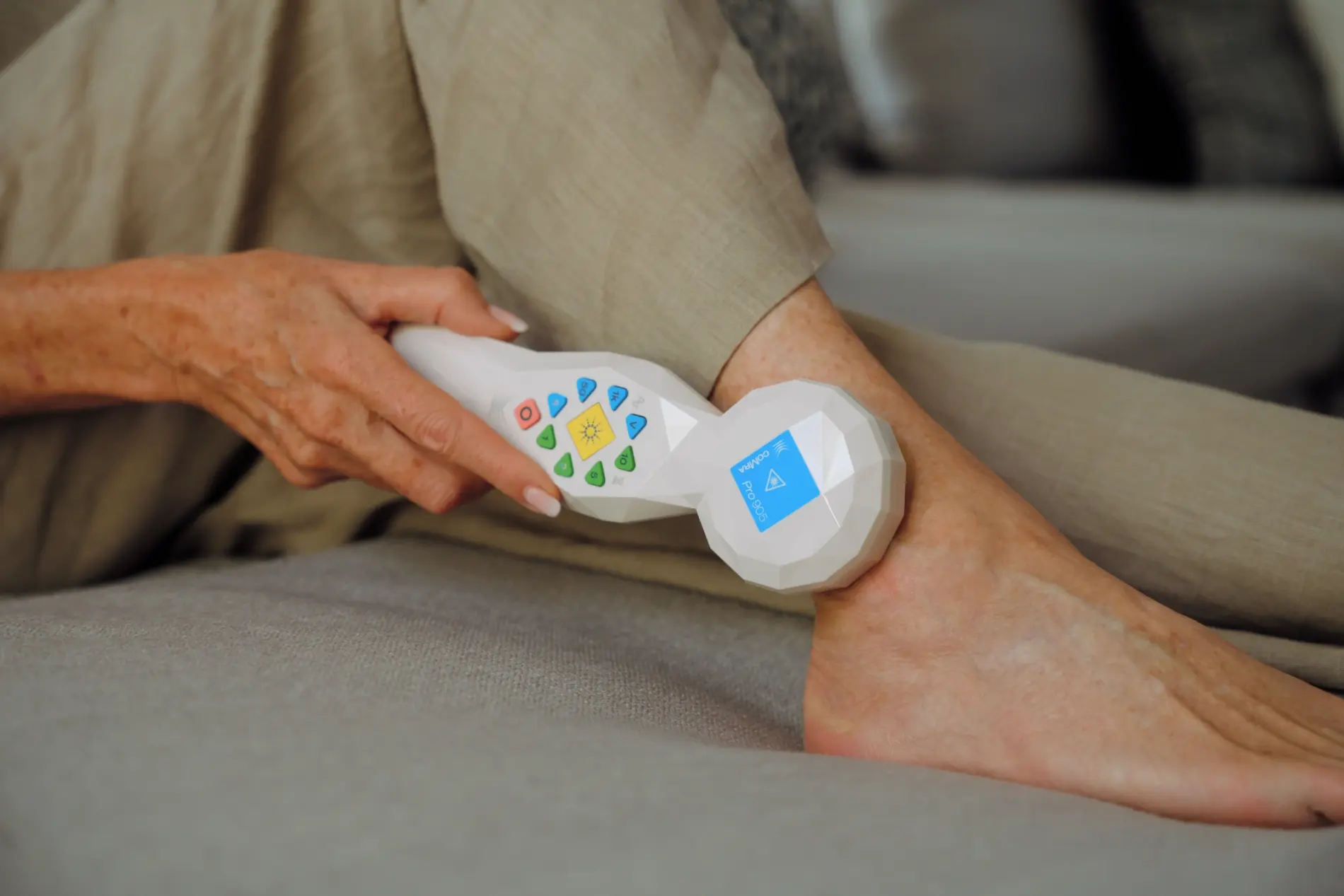
Apply your coMra device directly over the areas where you experience pain, tingling or numbness.
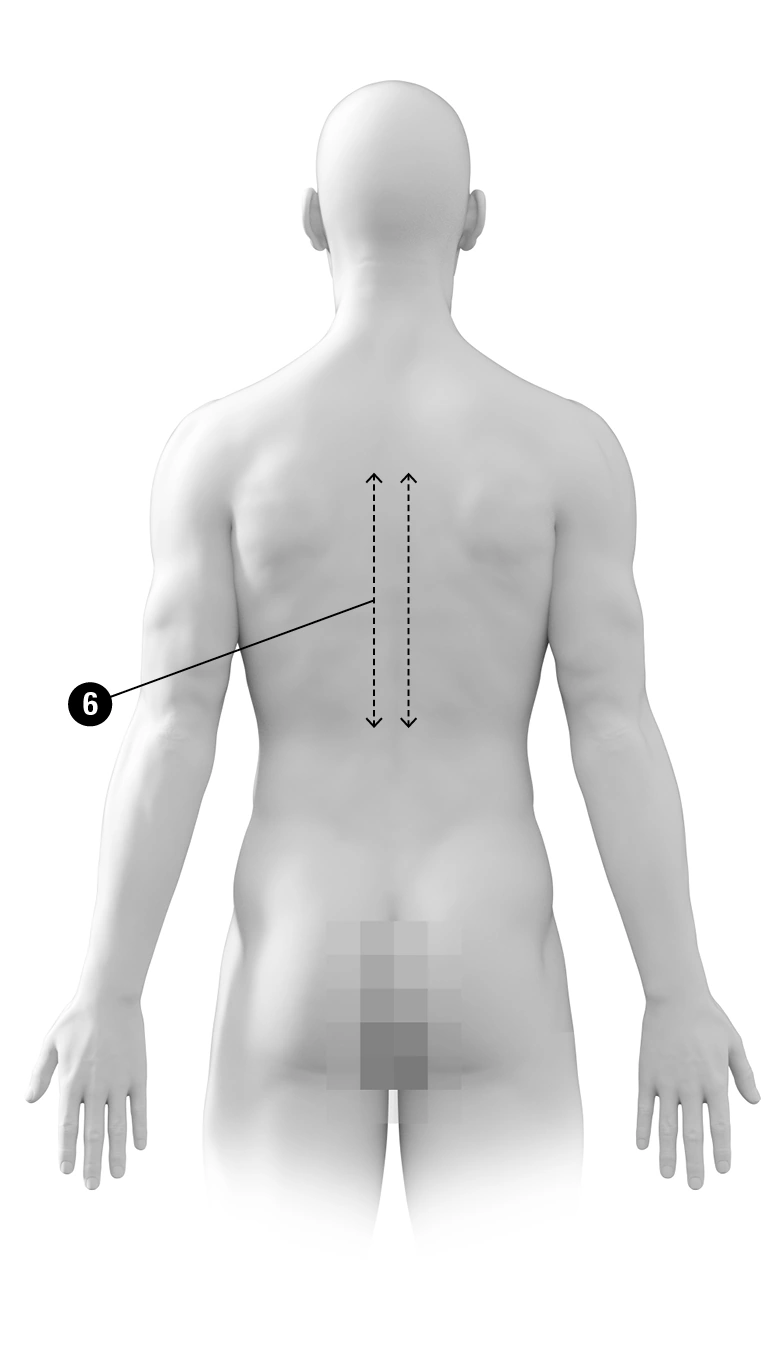
2. Treat the roots of the damaged nerves and blood supply.
Treating the nerve roots on both sides of the spine is important for proper nerve nutrition, removal of toxins and supporting regeneration of the damaged nerve structure and function.
coMra therapy:
-
Increases the blood’s capacity to transport oxygen.
-
Improves microcirculation.
-
Strengthens the body’s ability to self-repair.
-
Helps restore immune and endocrine balance.
3. Treat the condition that caused the nerve damage.
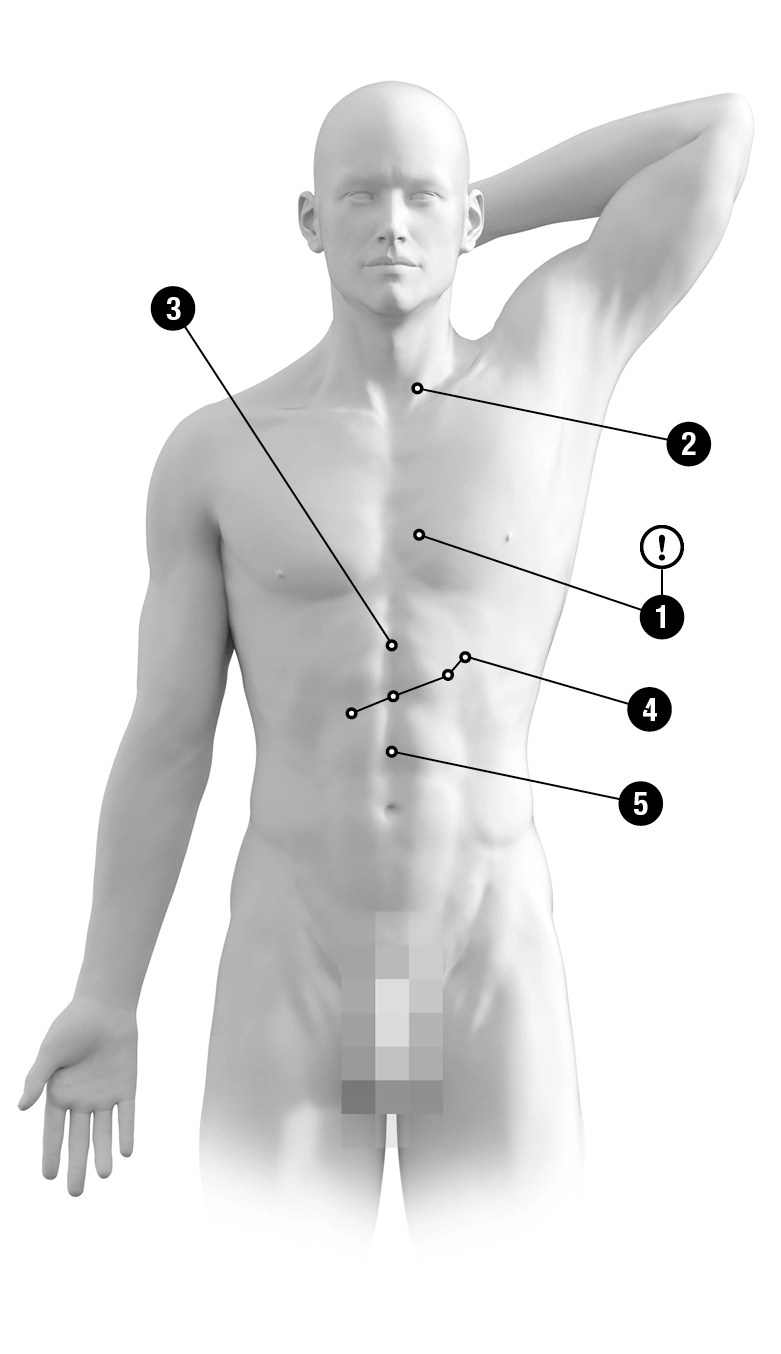
Diabetes is a condition that affects the endocrine system. To manage diabetes and restore metabolic health, you can apply coMra therapy directly over the pancreas, a crucial part of the endocrine system, as well as other supporting organs.
coMra PROTOCOLS FOR DIABETIC NEUROPATHY4
-
NEUROLOGY 15: Focuses on the nerves in the hand, foot, leg and nerve roots.
-
UNIVERSAL 3 (BLOOD): Focuses on the circulatory system and lymph nodes.
-
ENDOCRINOLOGY 1: Focuses on the pancreas and supporting organs.
ENDOCRINOLOGY 1 is used to treat prediabetes, diabetes and insulin resistance.
With coMra therapy, people with diabetic neuropathy can experience both quick symptom relief and long-term healing, without having to rely on medications.
Note: coMra is a powerful modality. The uses described in our articles are those recommended by the coMra User Guide and apply mainly to home users and use in hospitals. Experience over many years has shown that in the case of most chronic conditions, treatments can also be spread out to once or twice per week, without taking the breaks outlined in the guide.
References:
1. Diabetes-related neuropathy. Cleveland Clinic. Accessed September 19, 2025. https://my.clevelandclinic.org/health/diseases/21621-diabetic-neuropathy.
2. CG SK, Maiya AG, Hande HM, et al. Efficacy of low level laser therapy on painful diabetic peripheral neuropathy. Laser Ther. 2015;24(3):195-200. doi:10.5978/islsm.15-OR-12.
3. Overcoming nerve damage—neuropathy. coMra e-Book Series. Radiant Life Technologies. 2025.
4. coMra user guide. coMra therapy. https://ug.comra-therapy.com/.